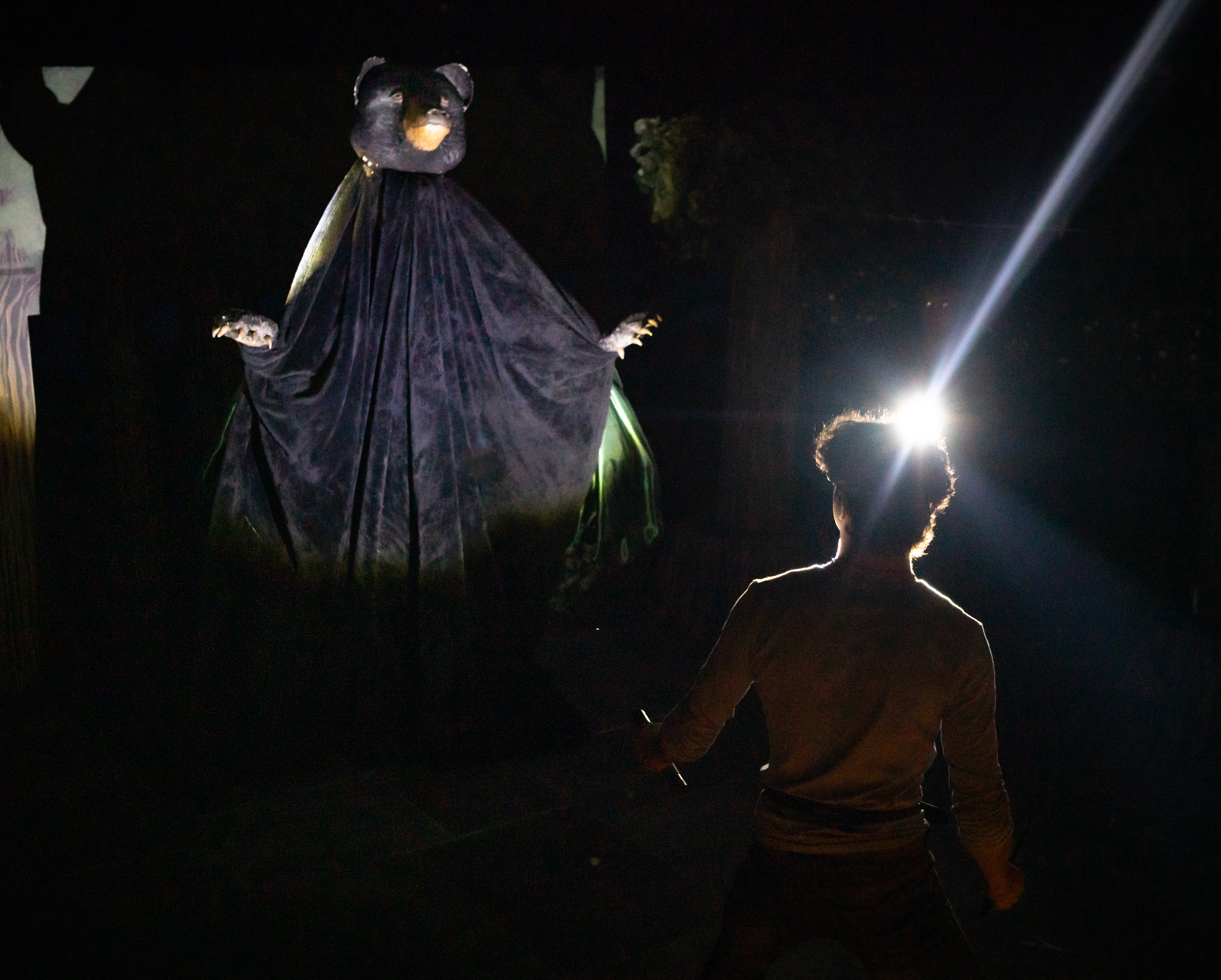
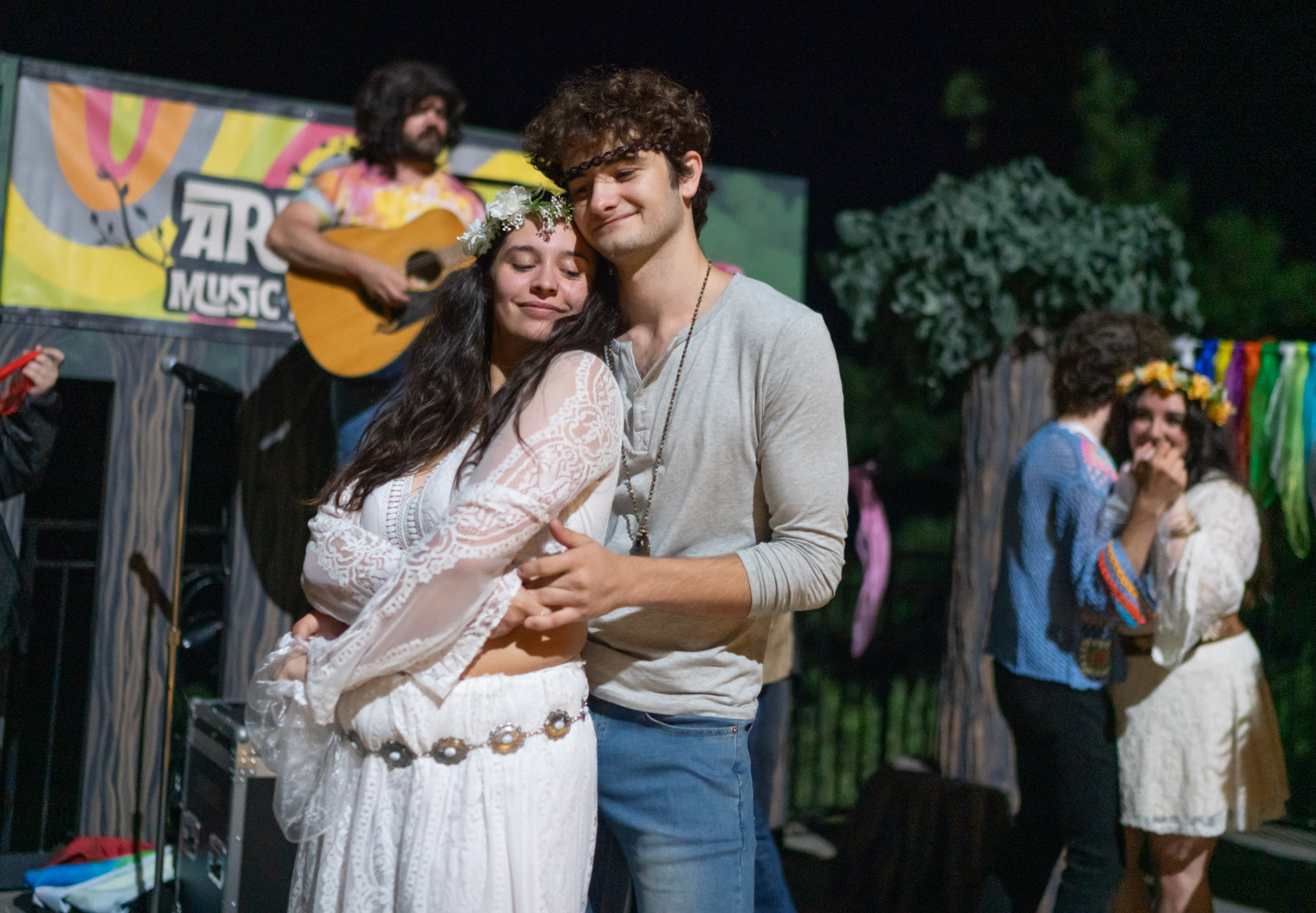
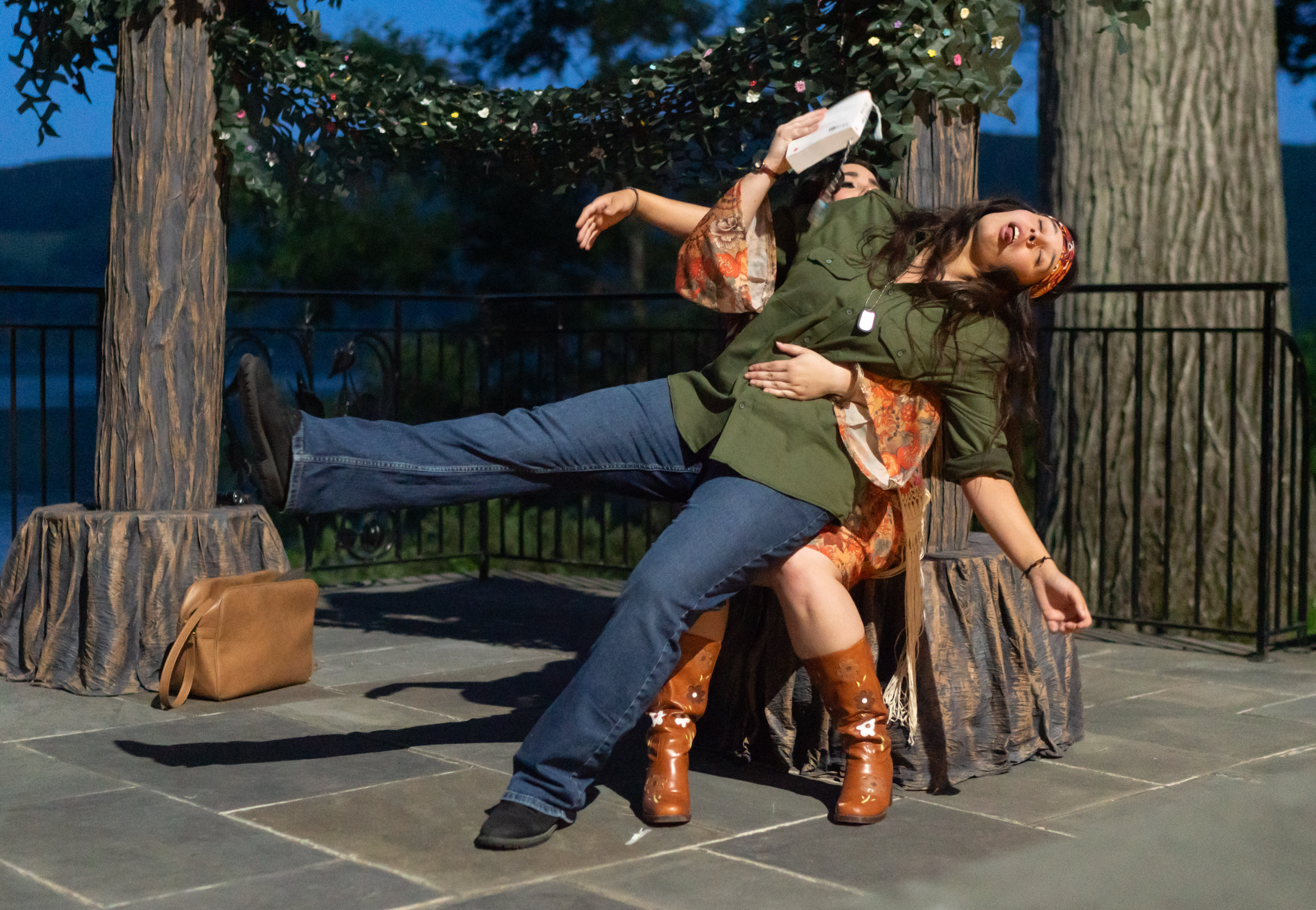
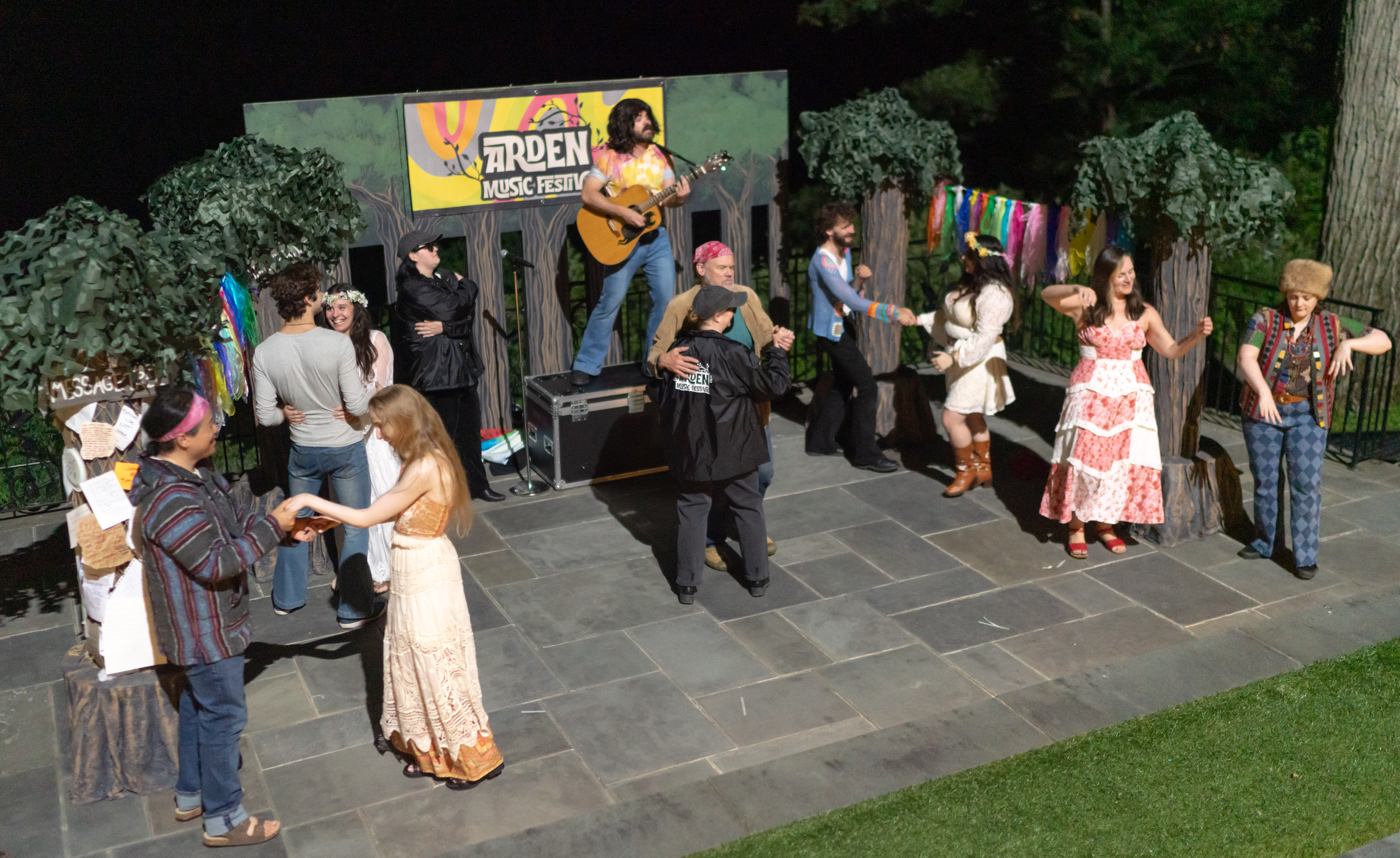
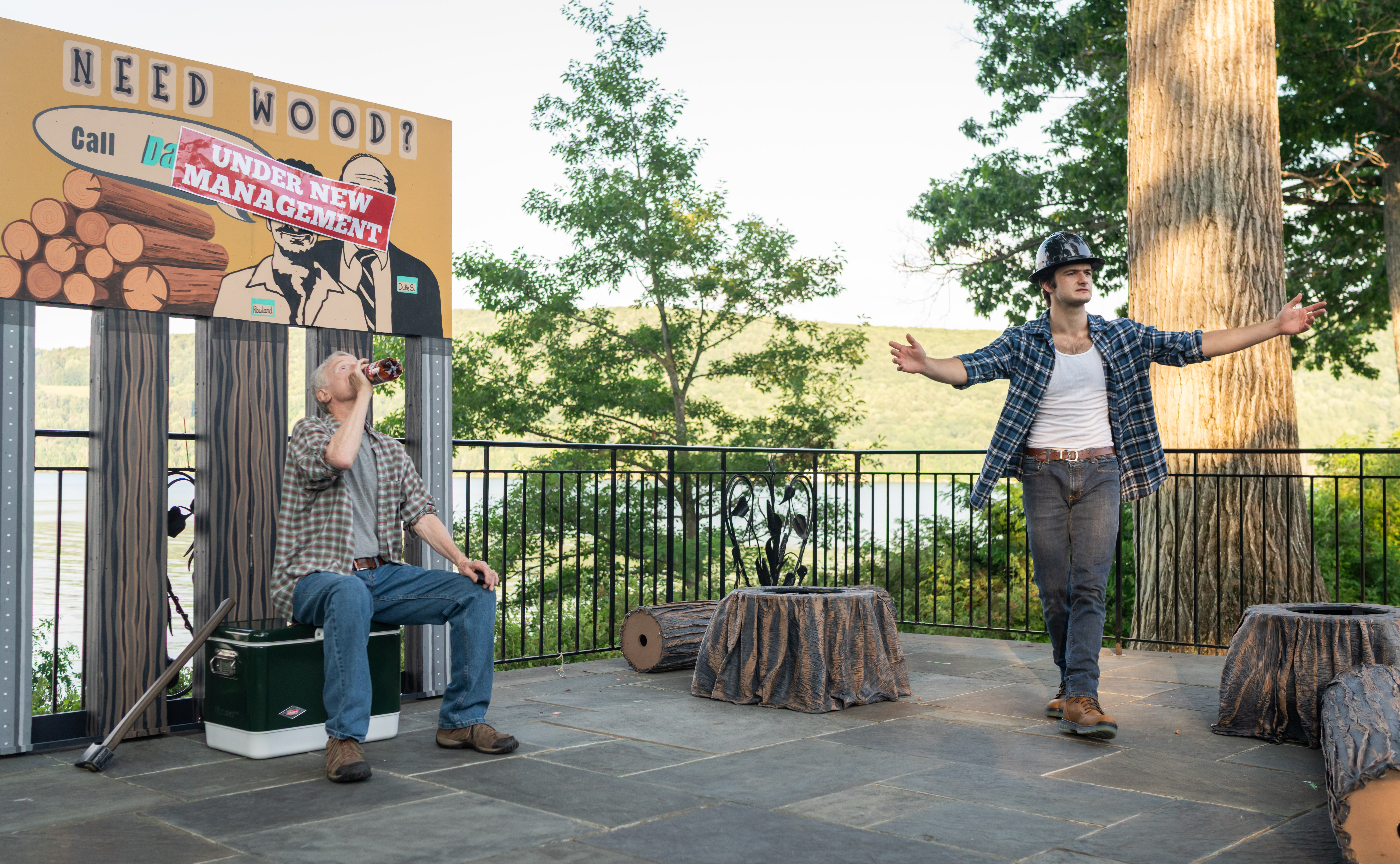
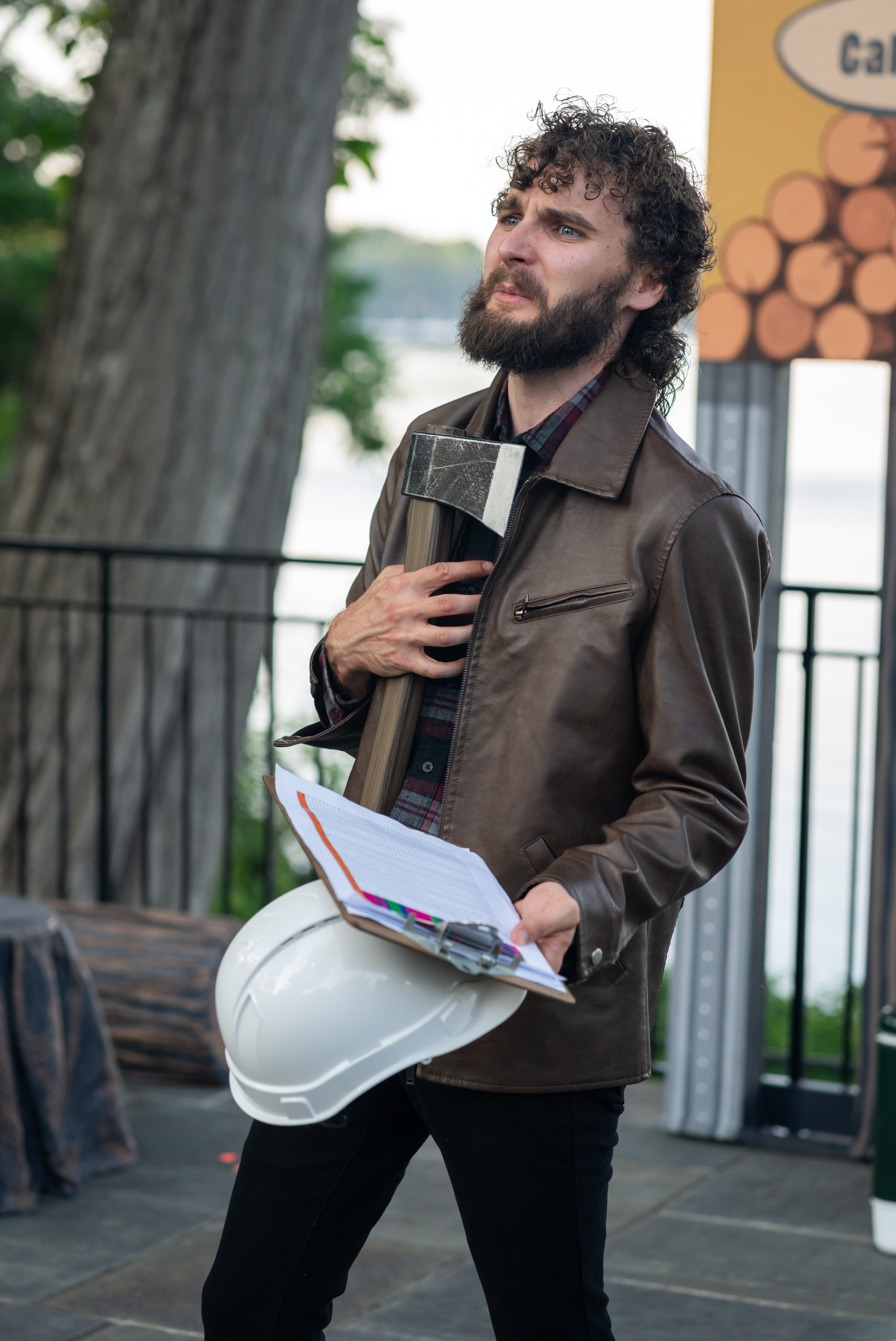
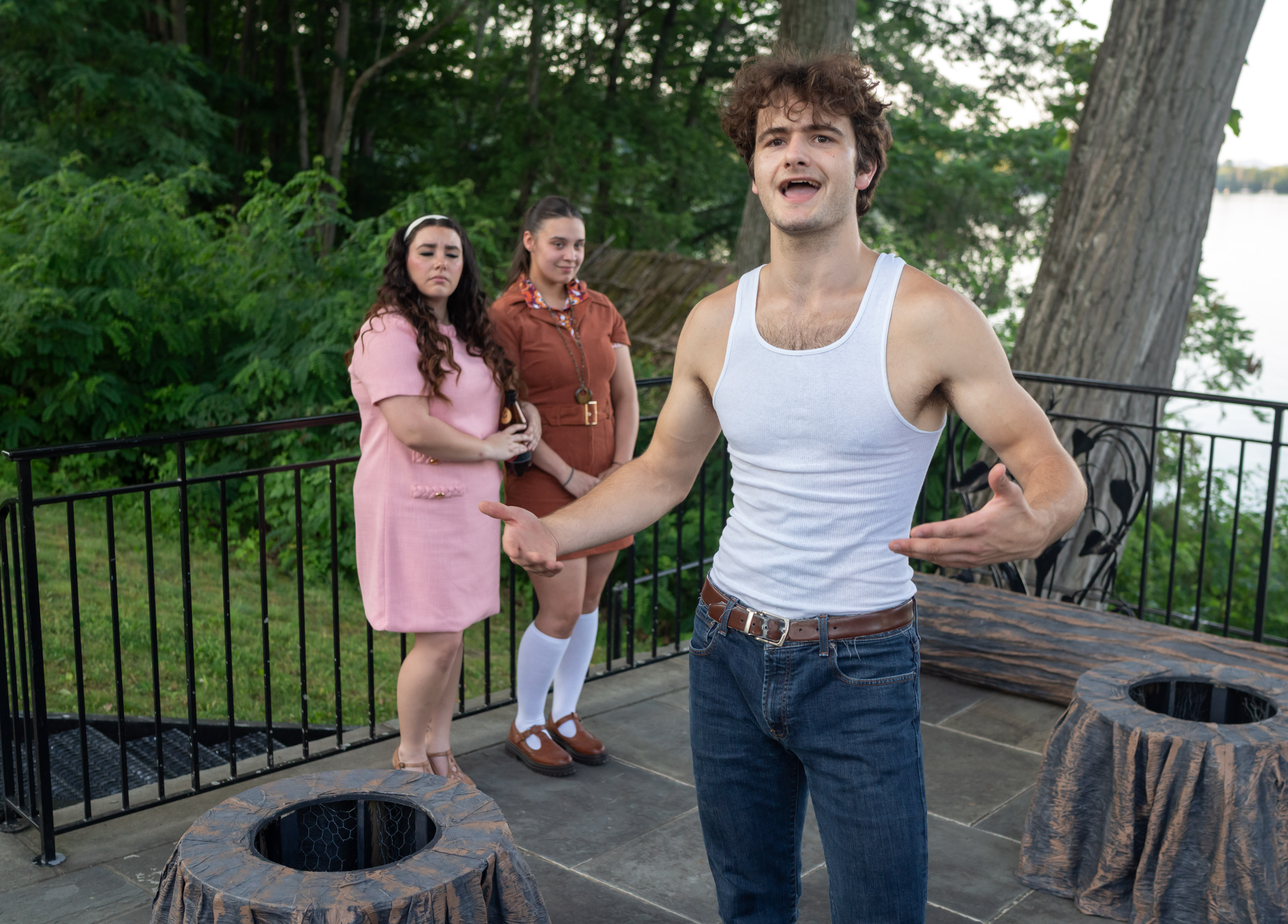
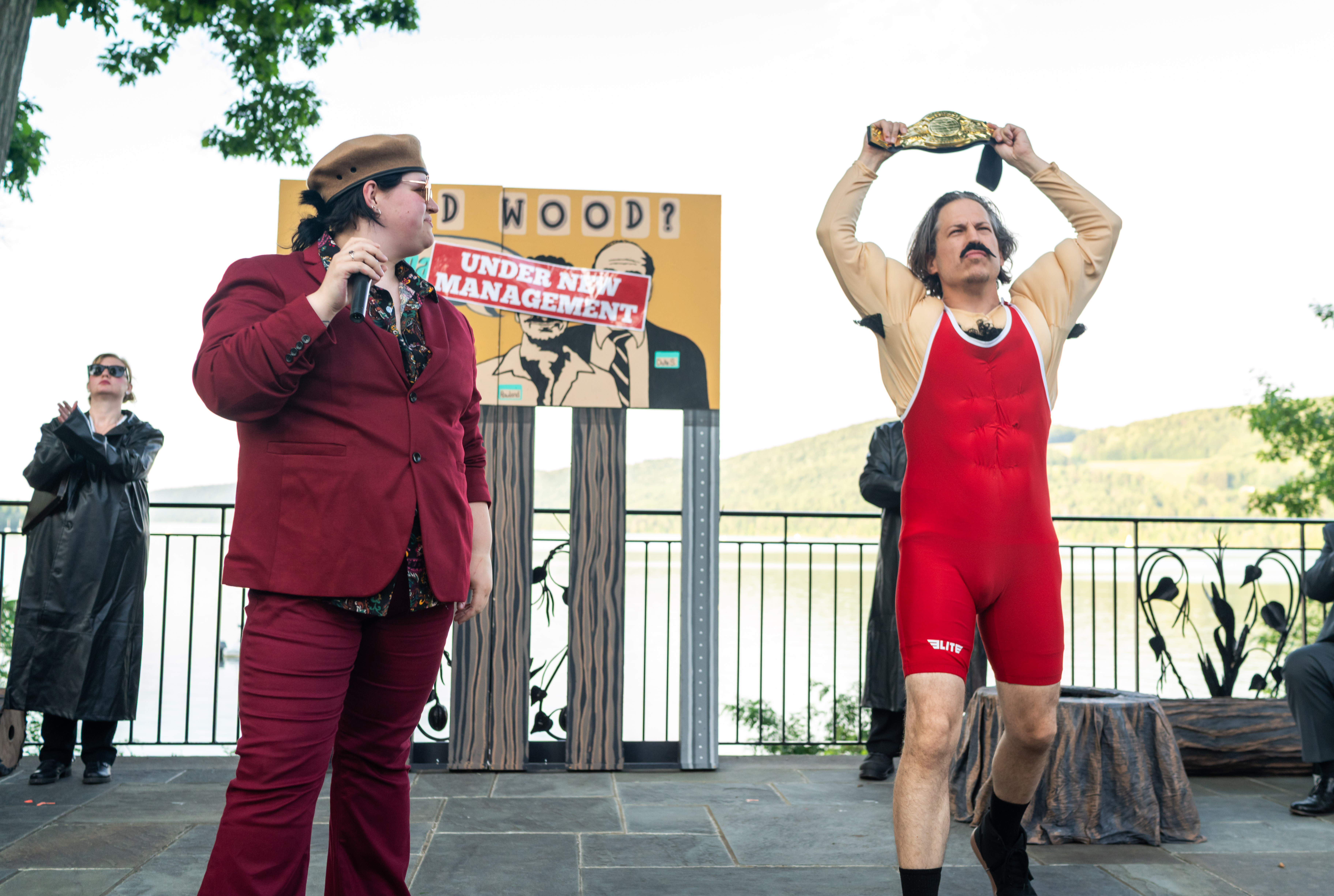
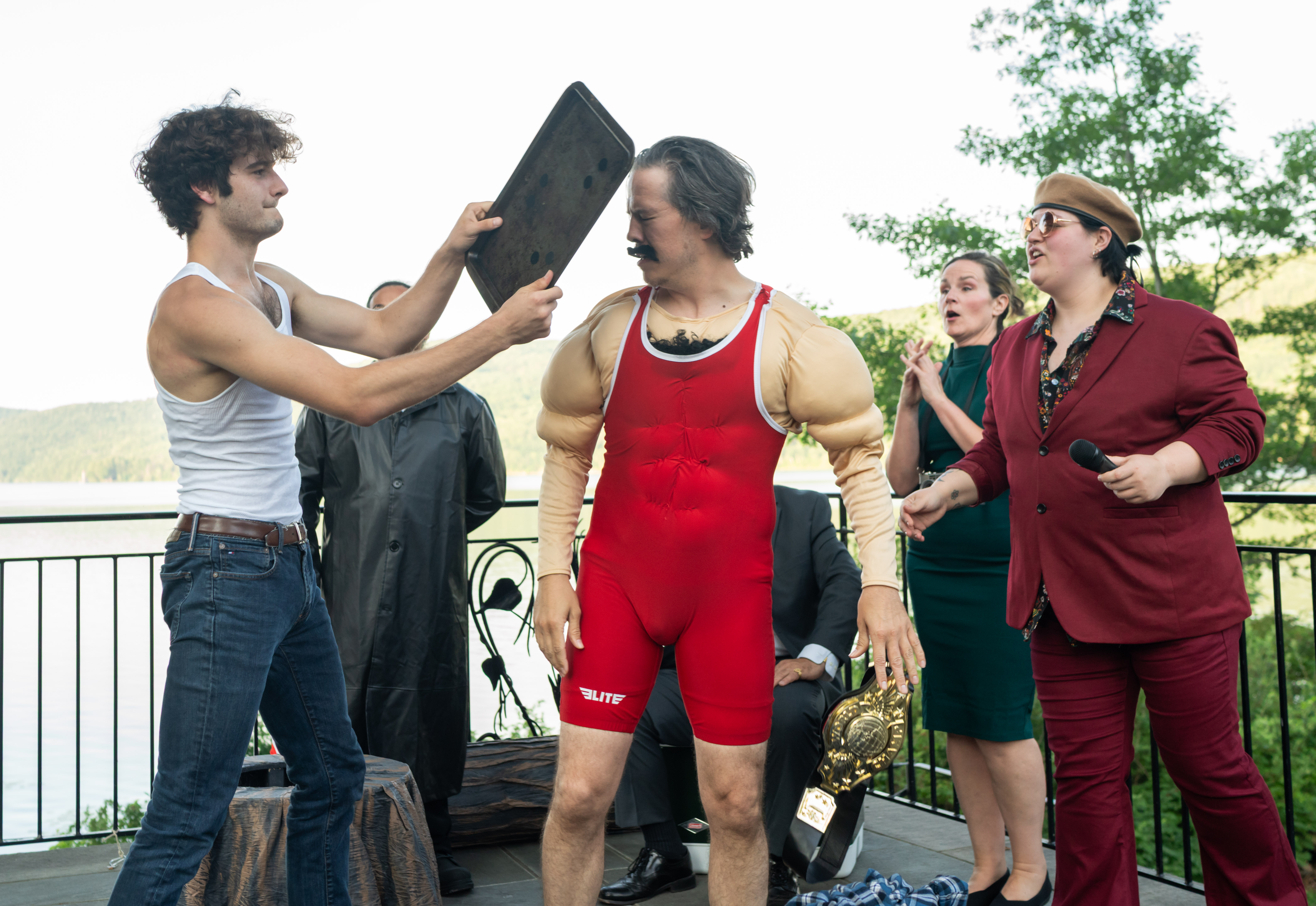
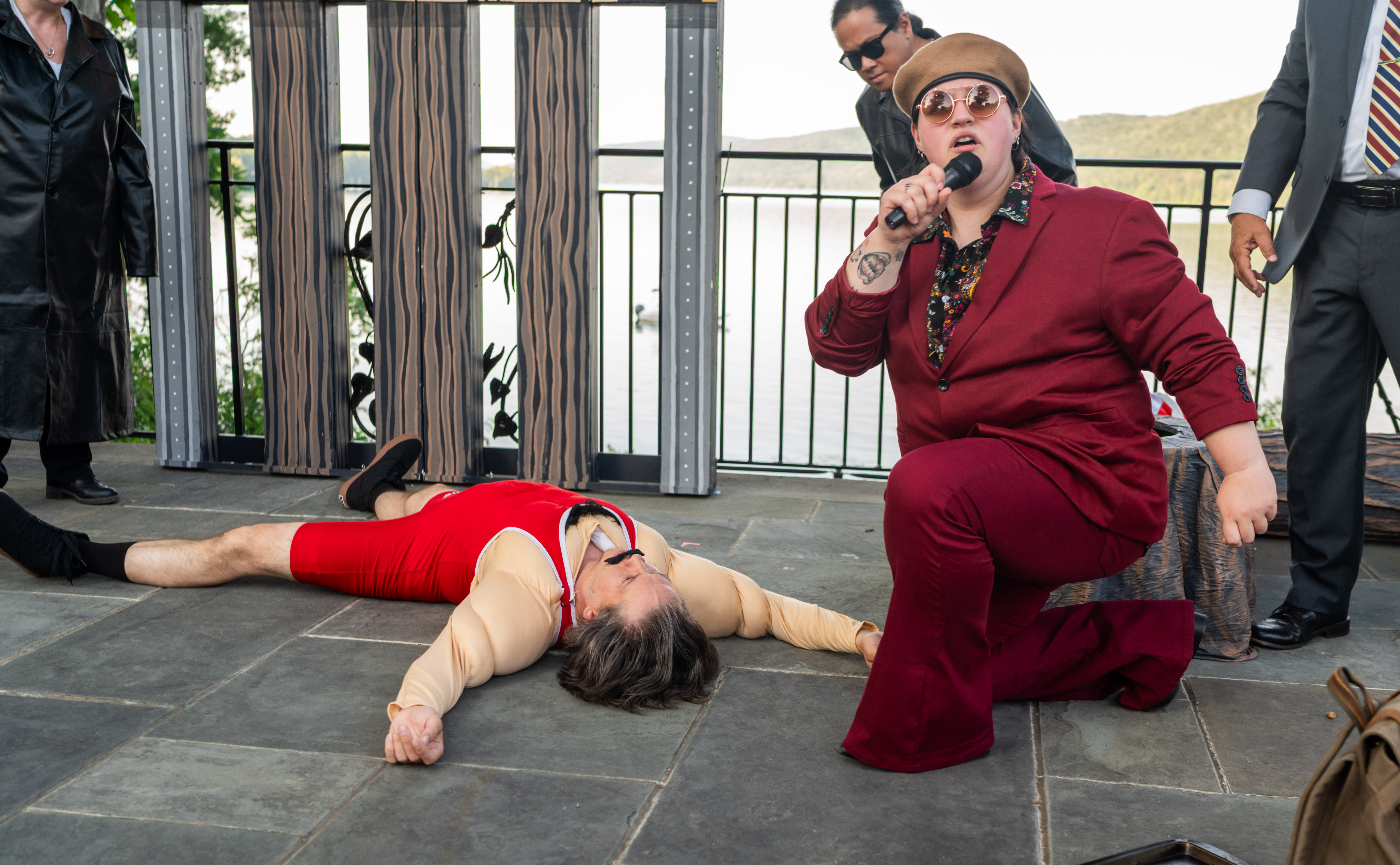
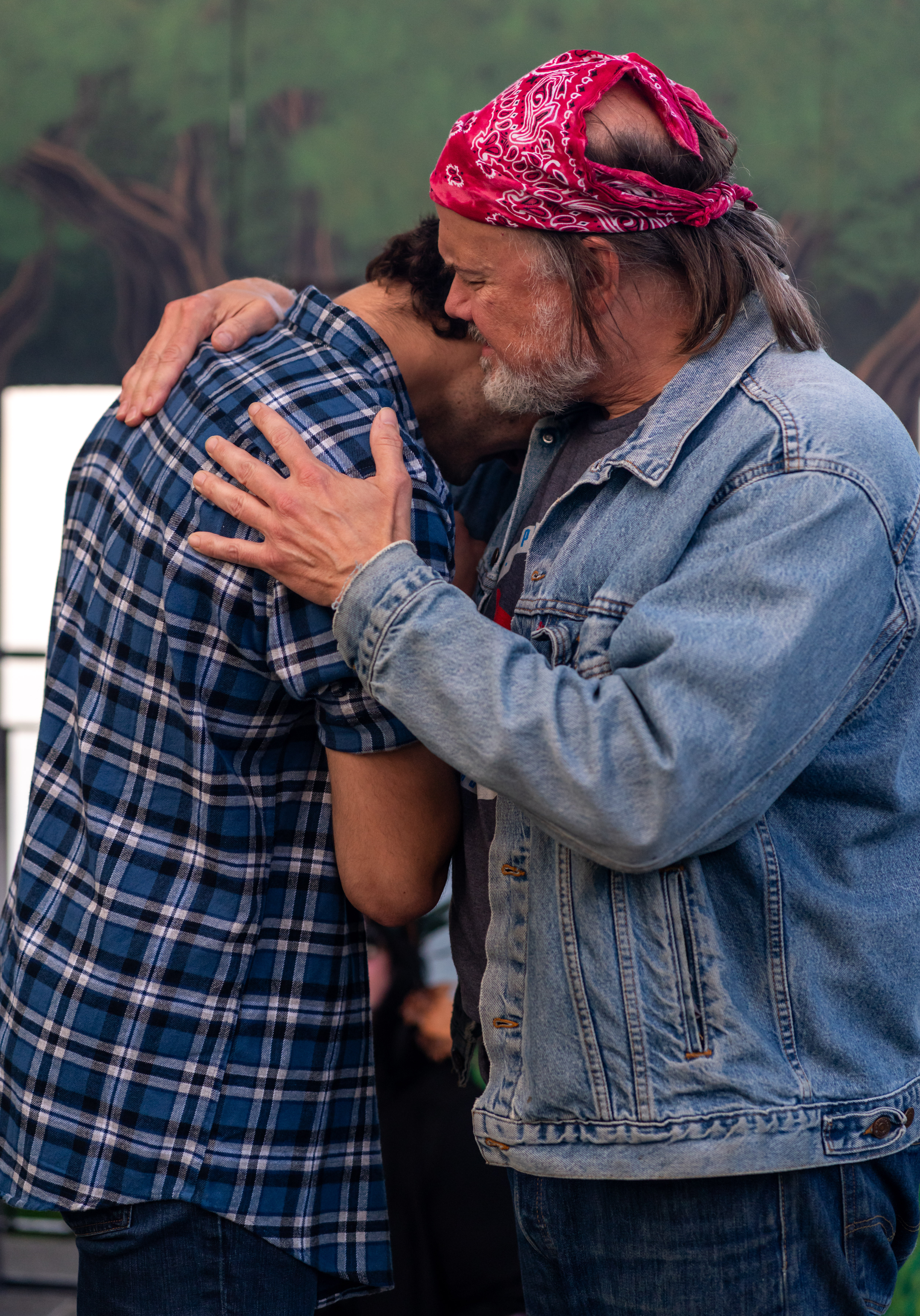
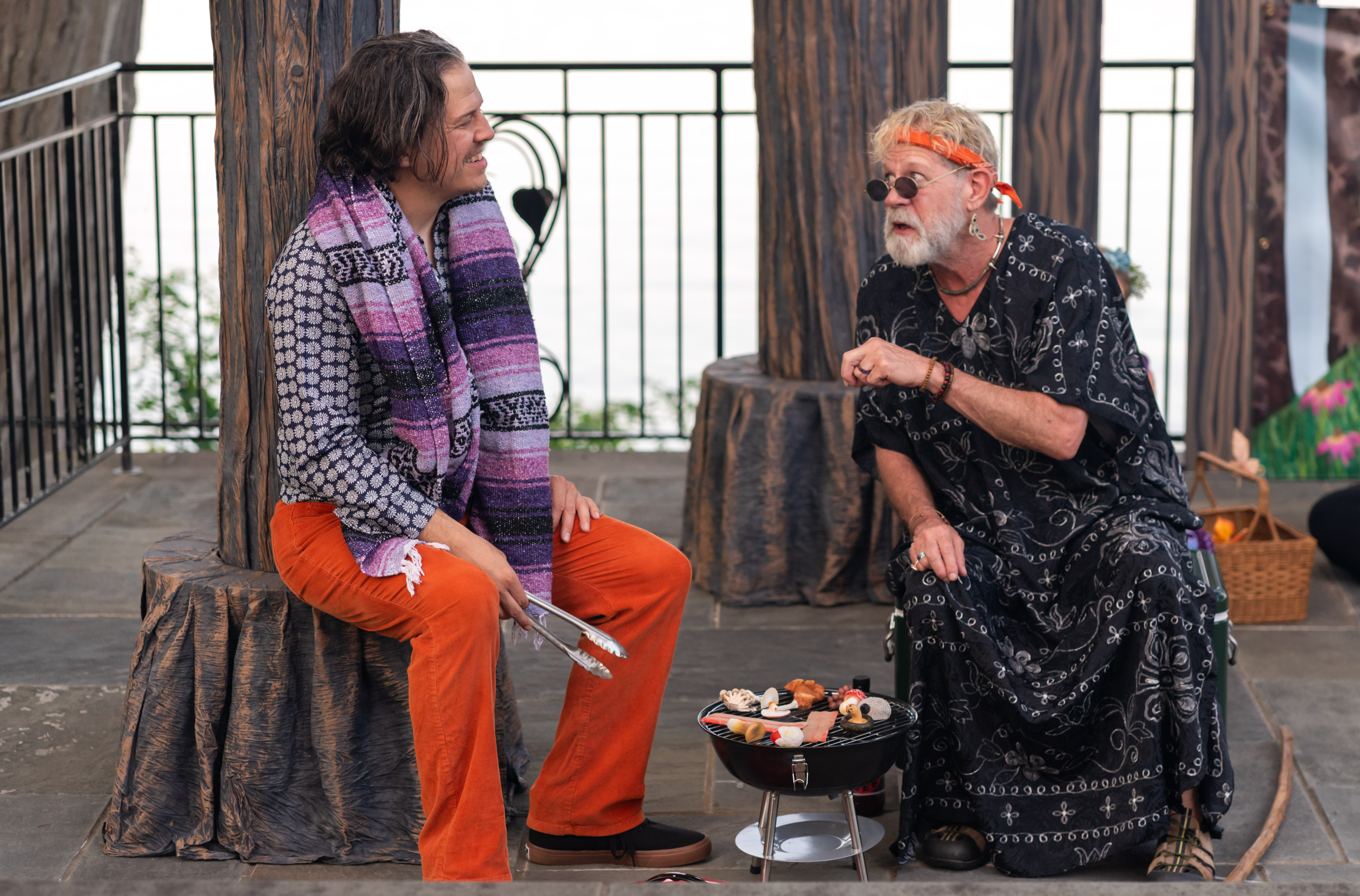
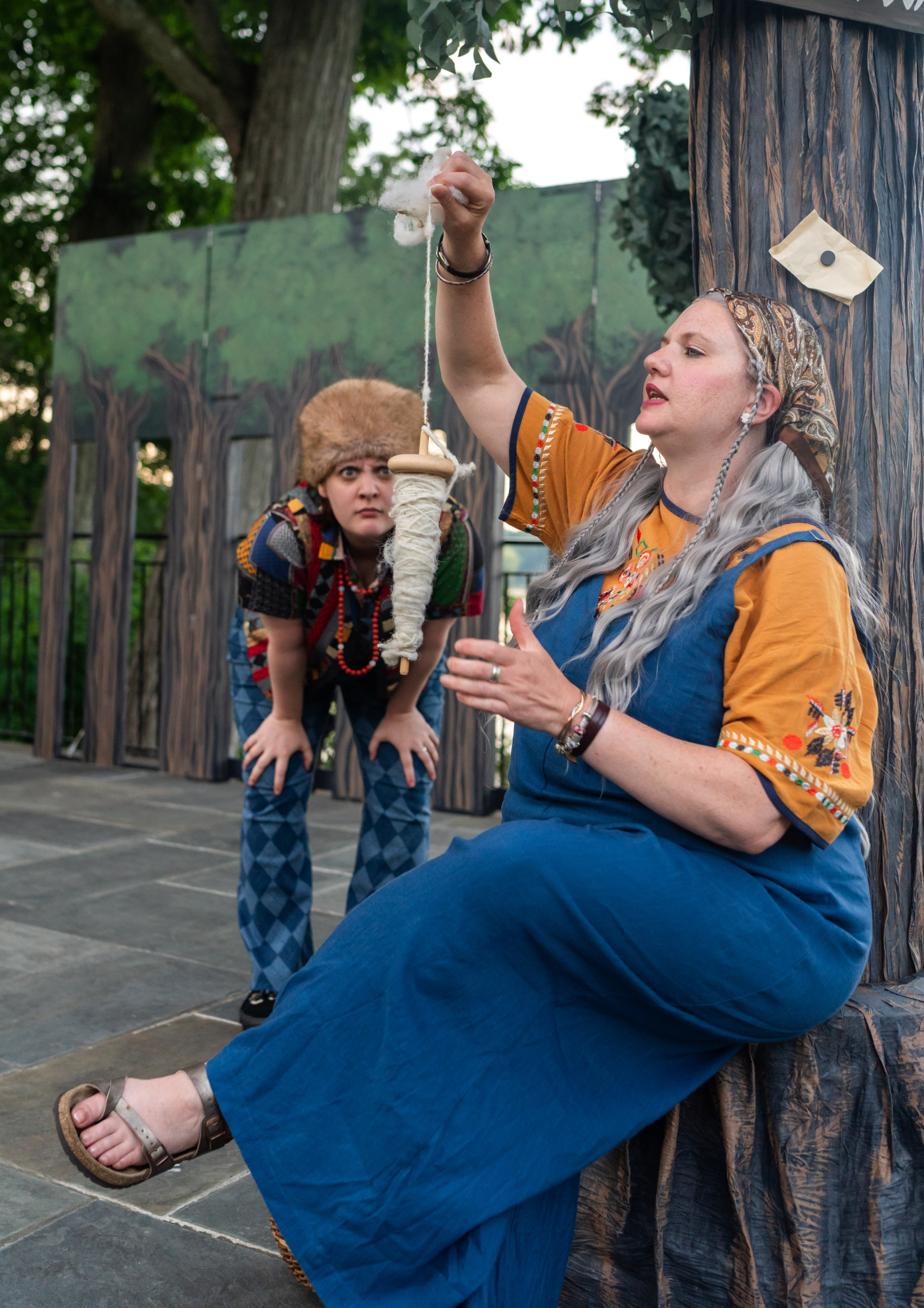
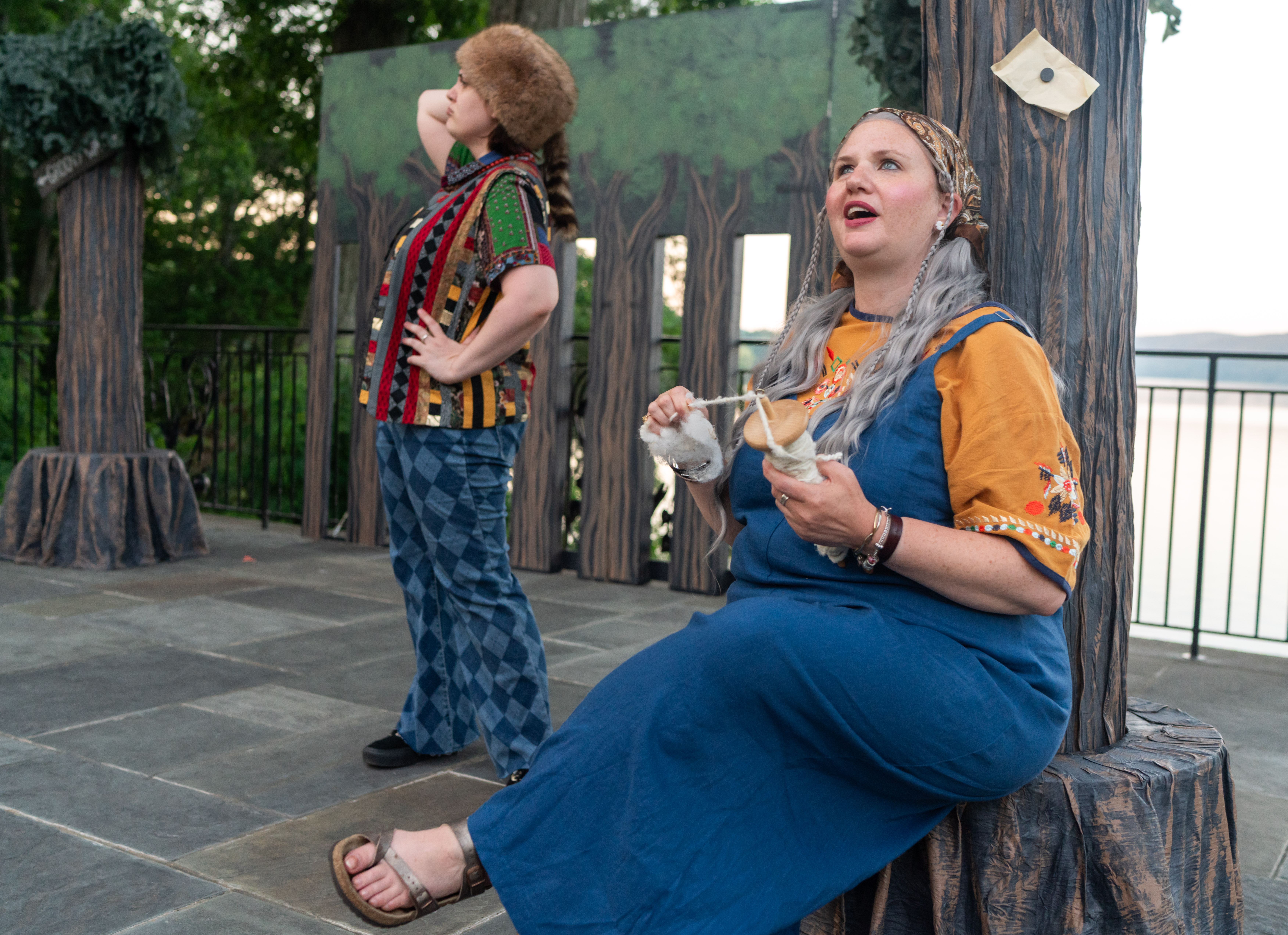
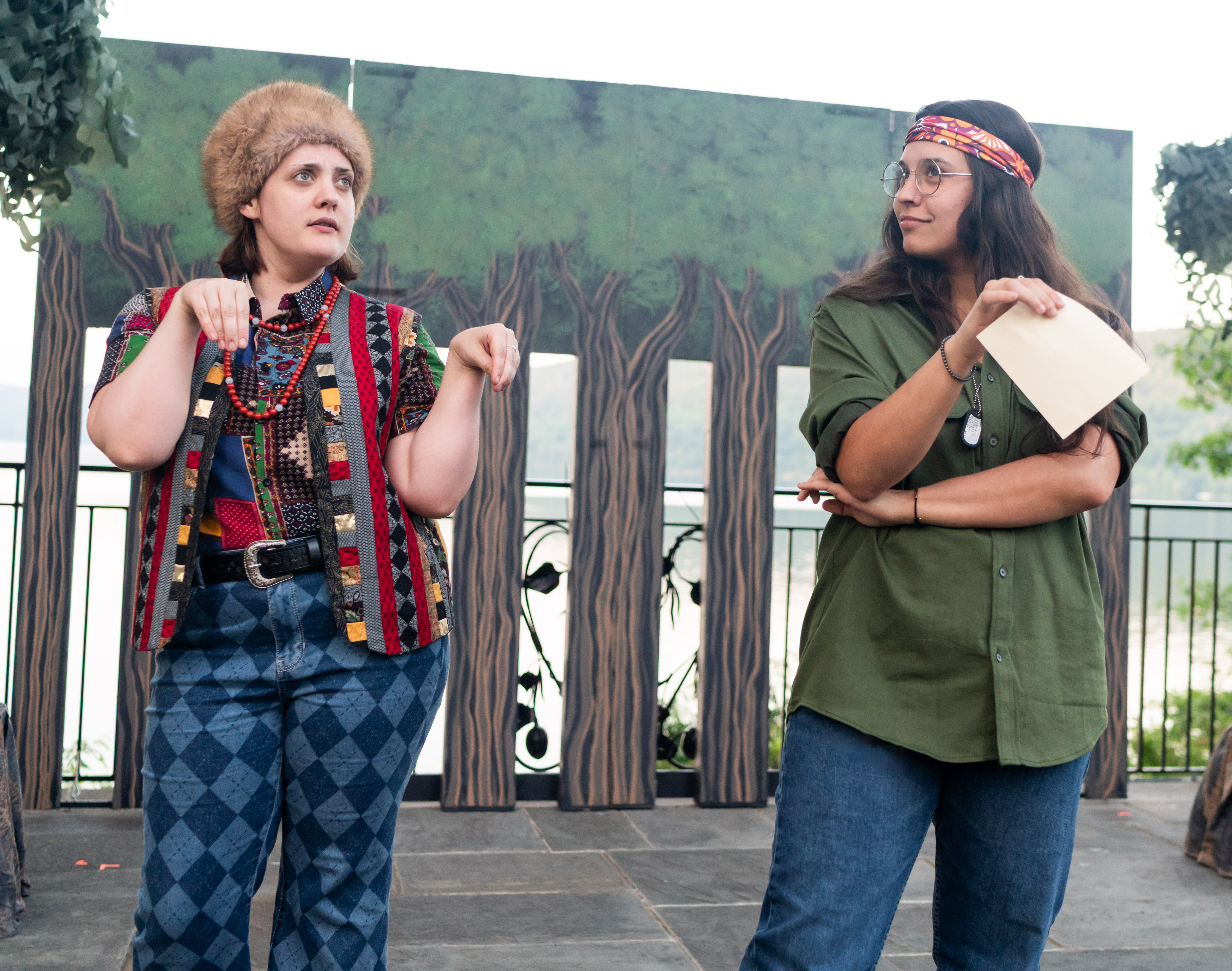
As You Like It
Photos by Kevin Gray
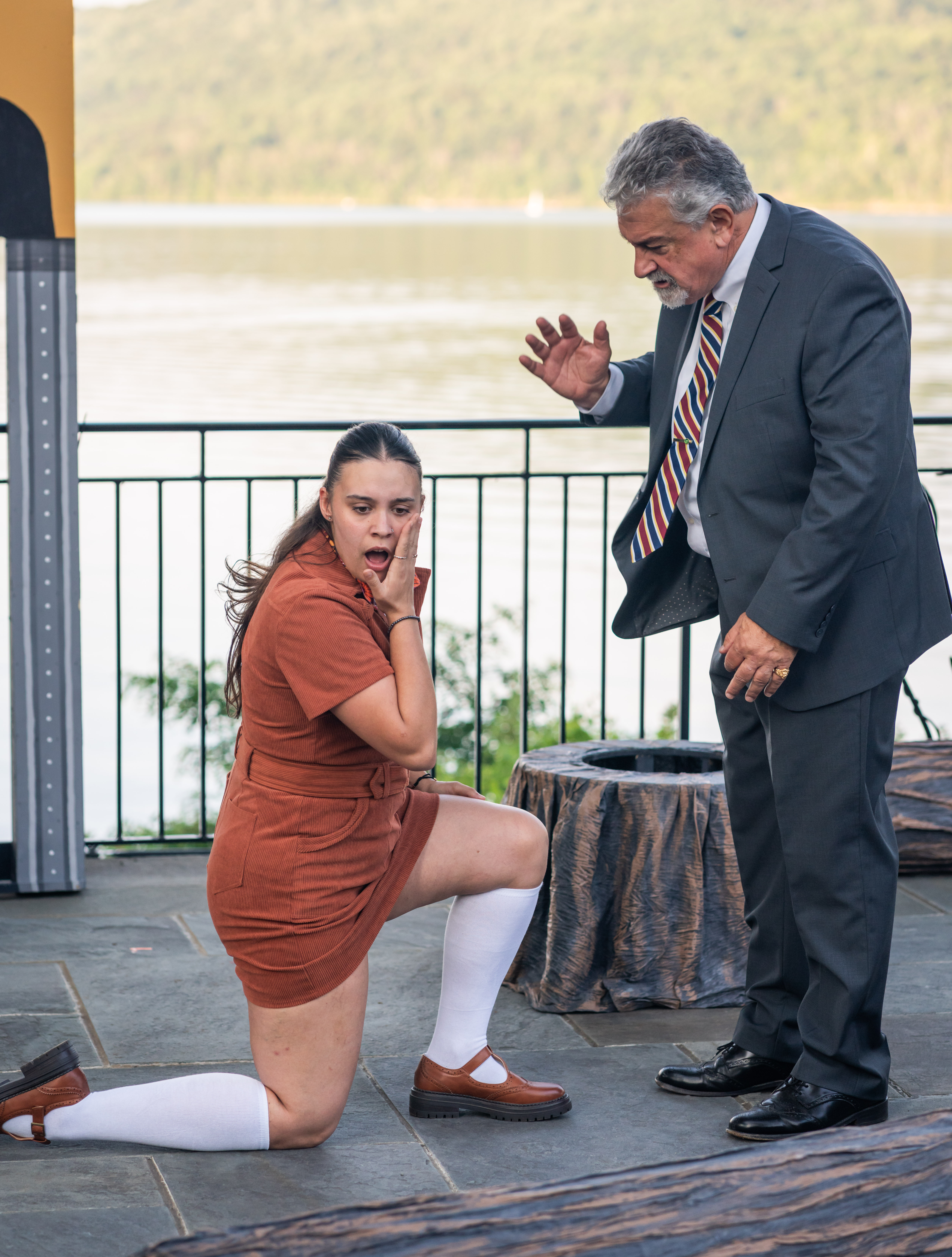
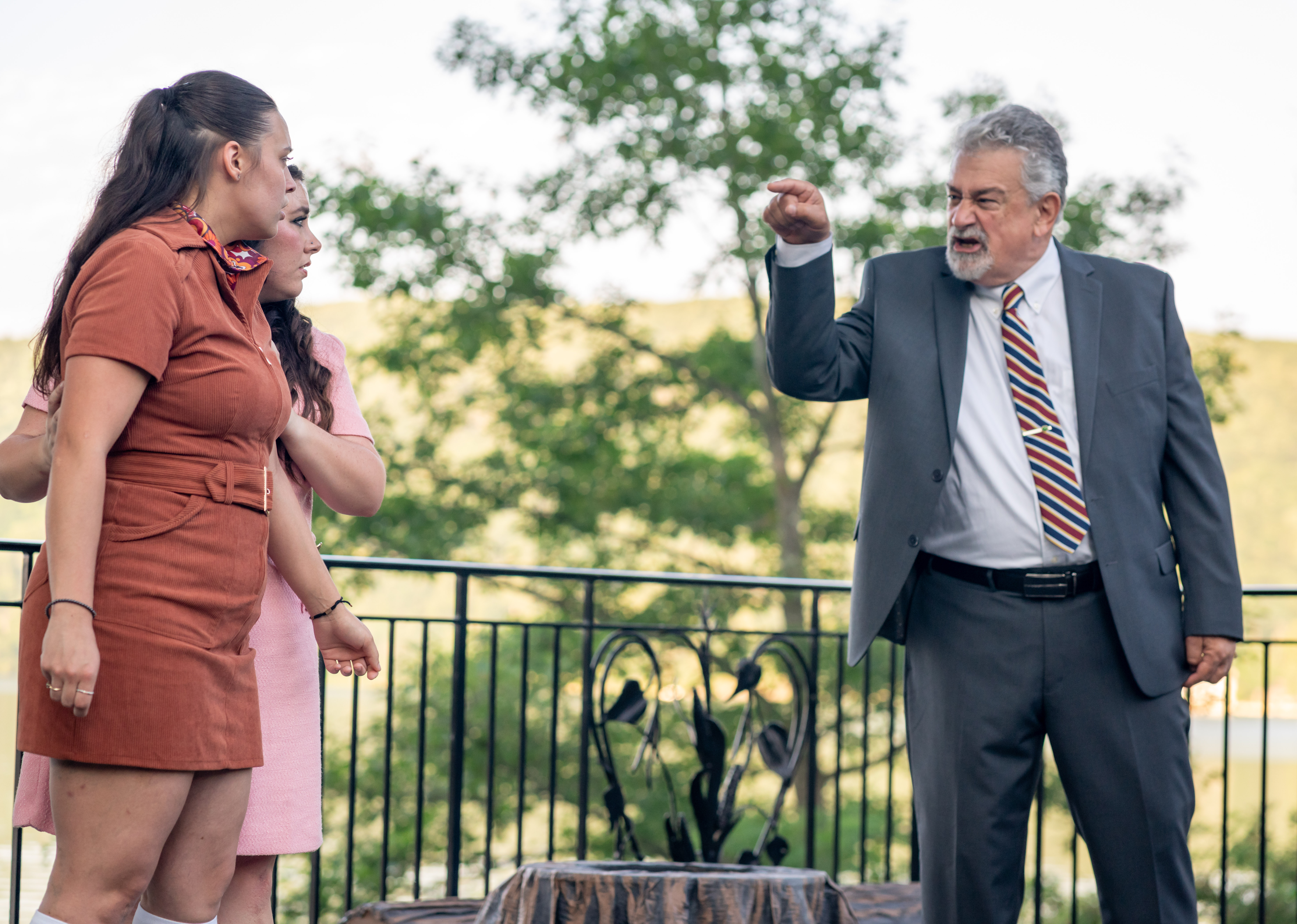
July - August 2026 — Glimmer Globe Theatre
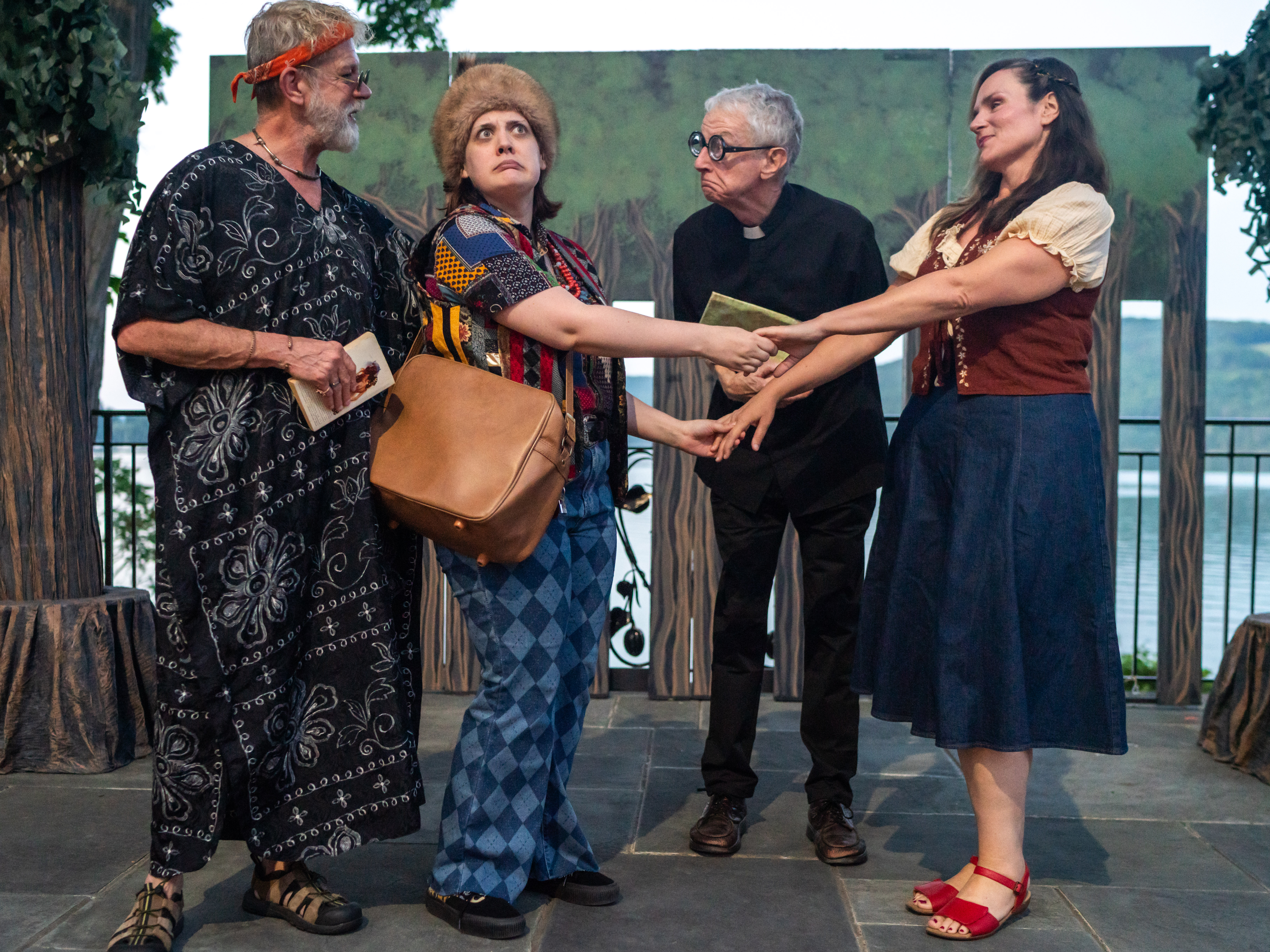
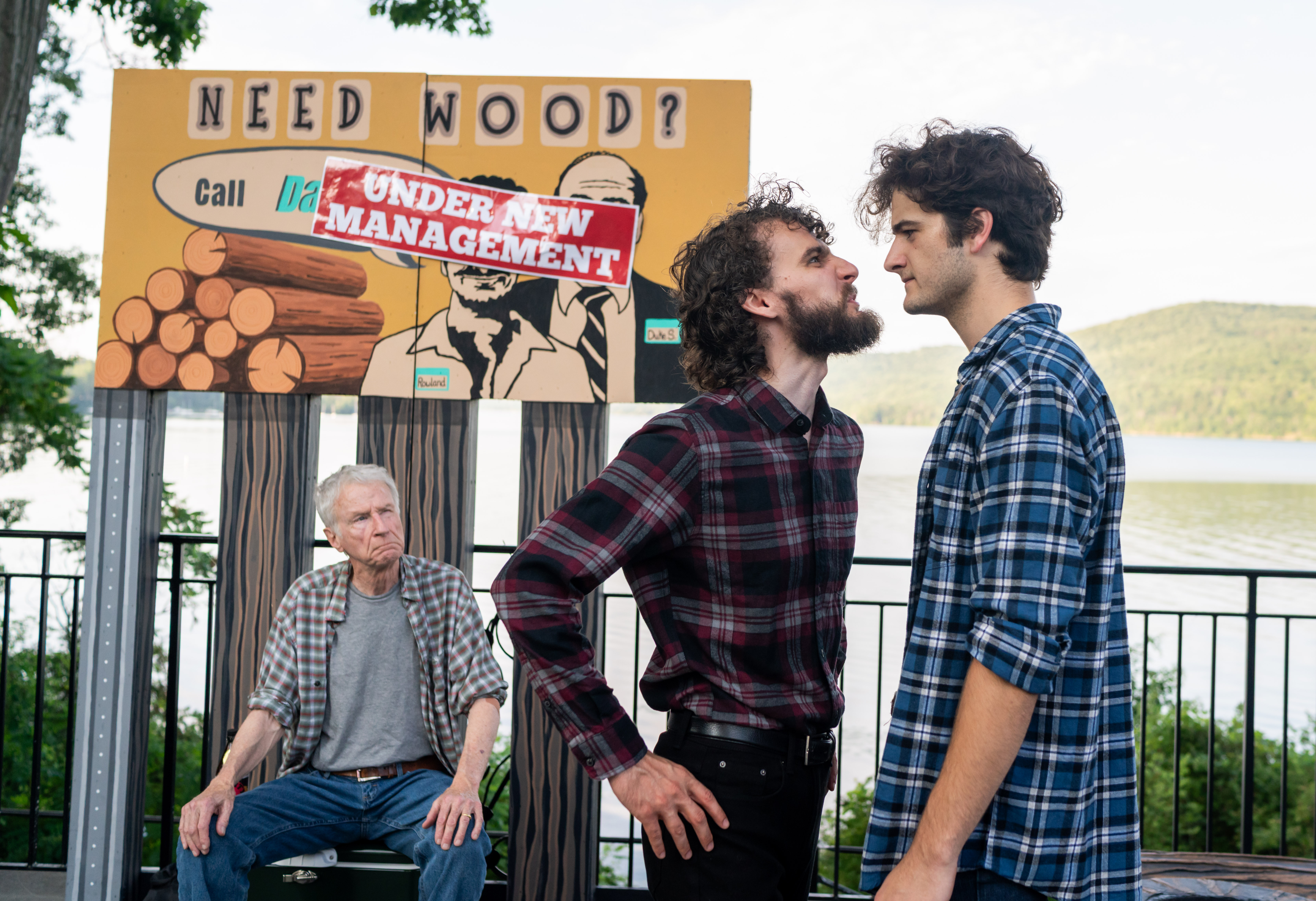
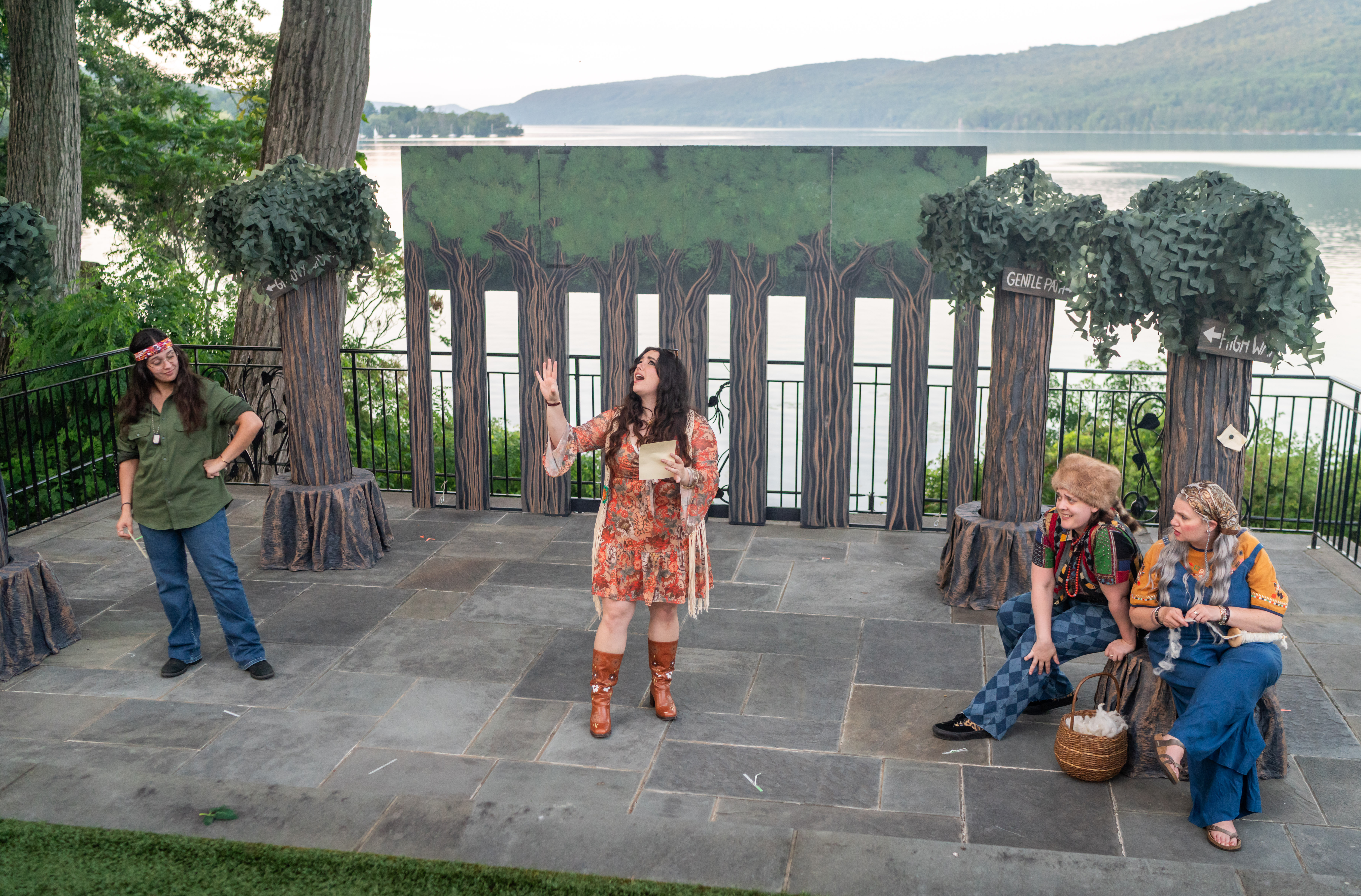
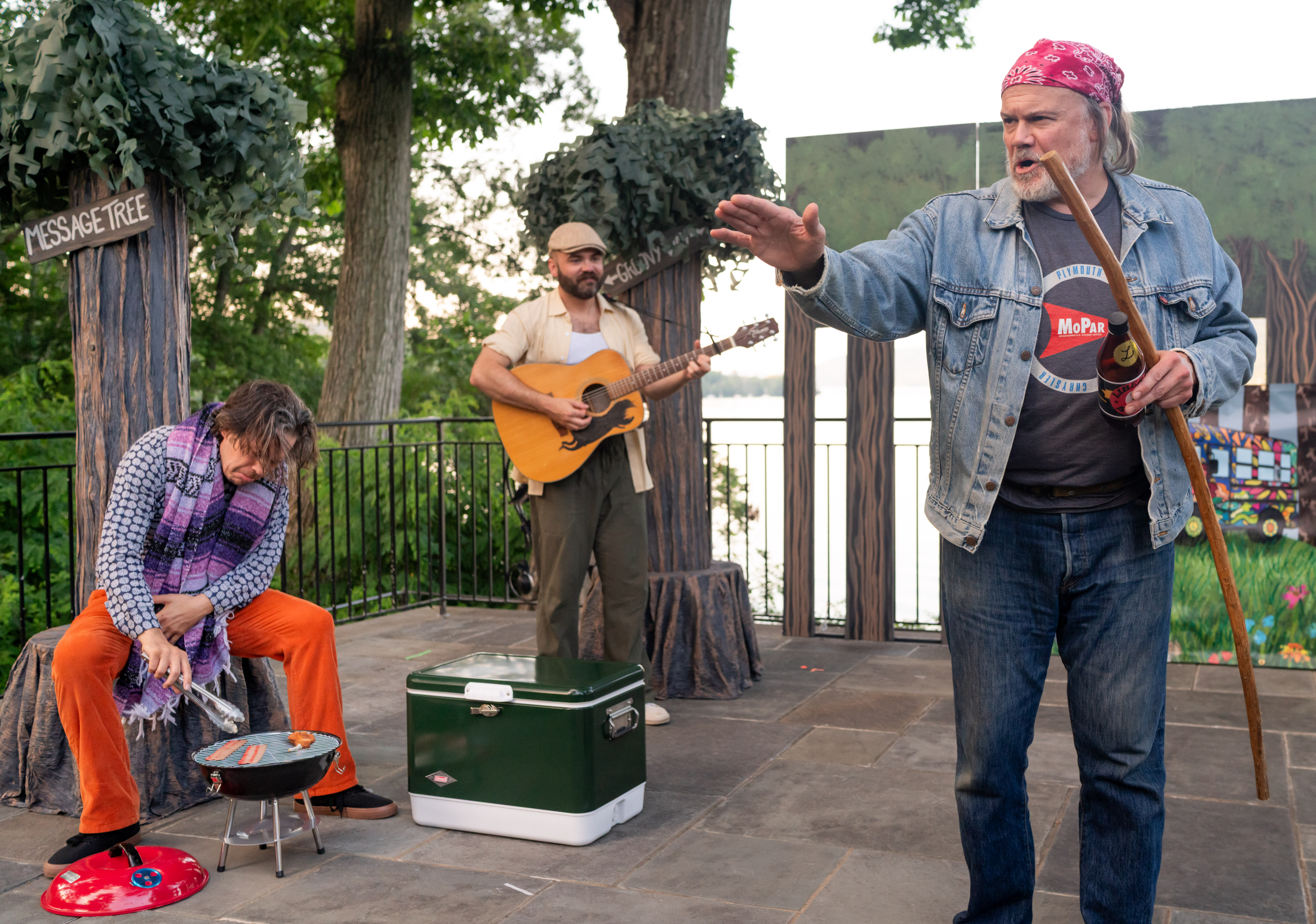
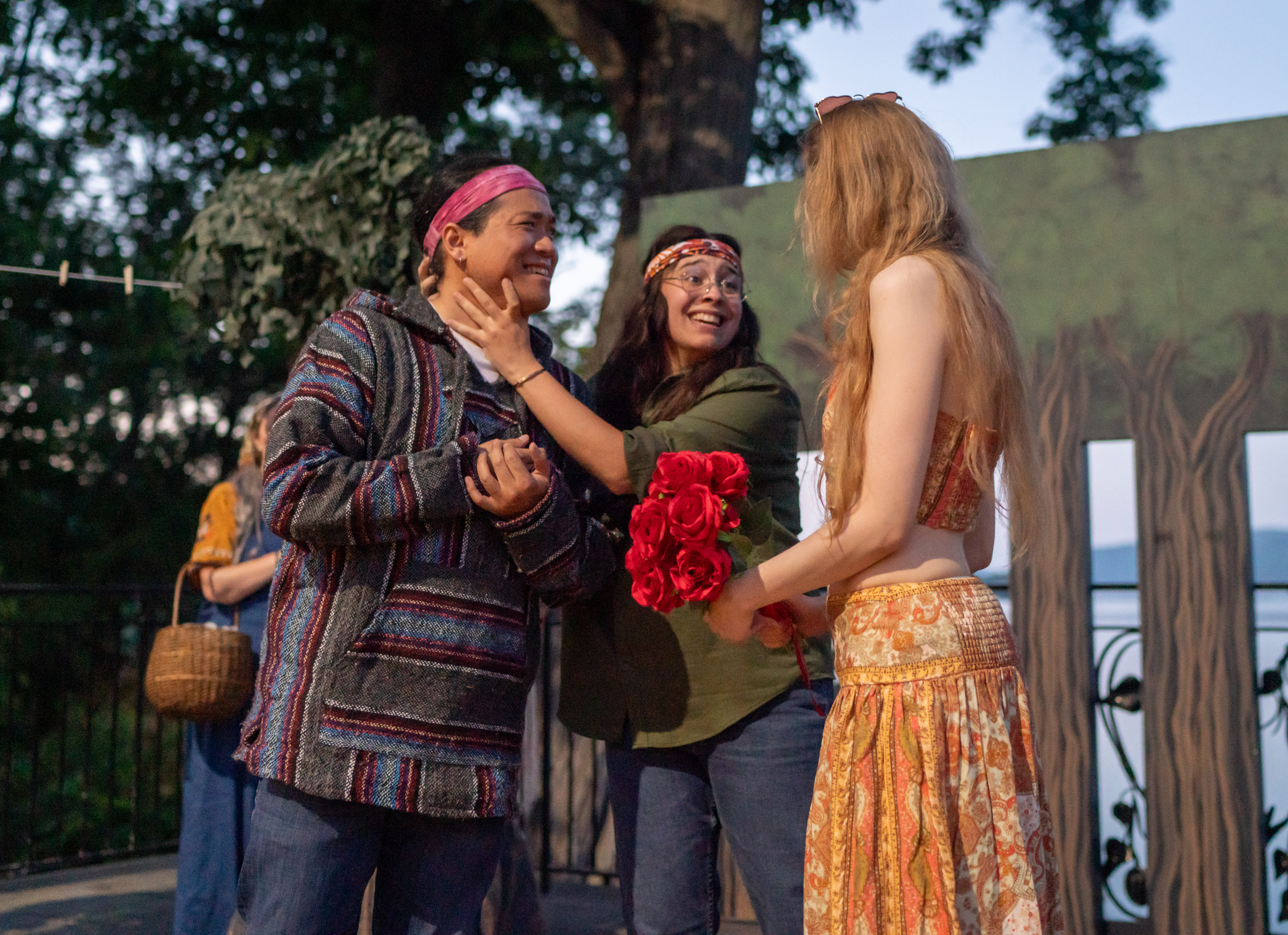
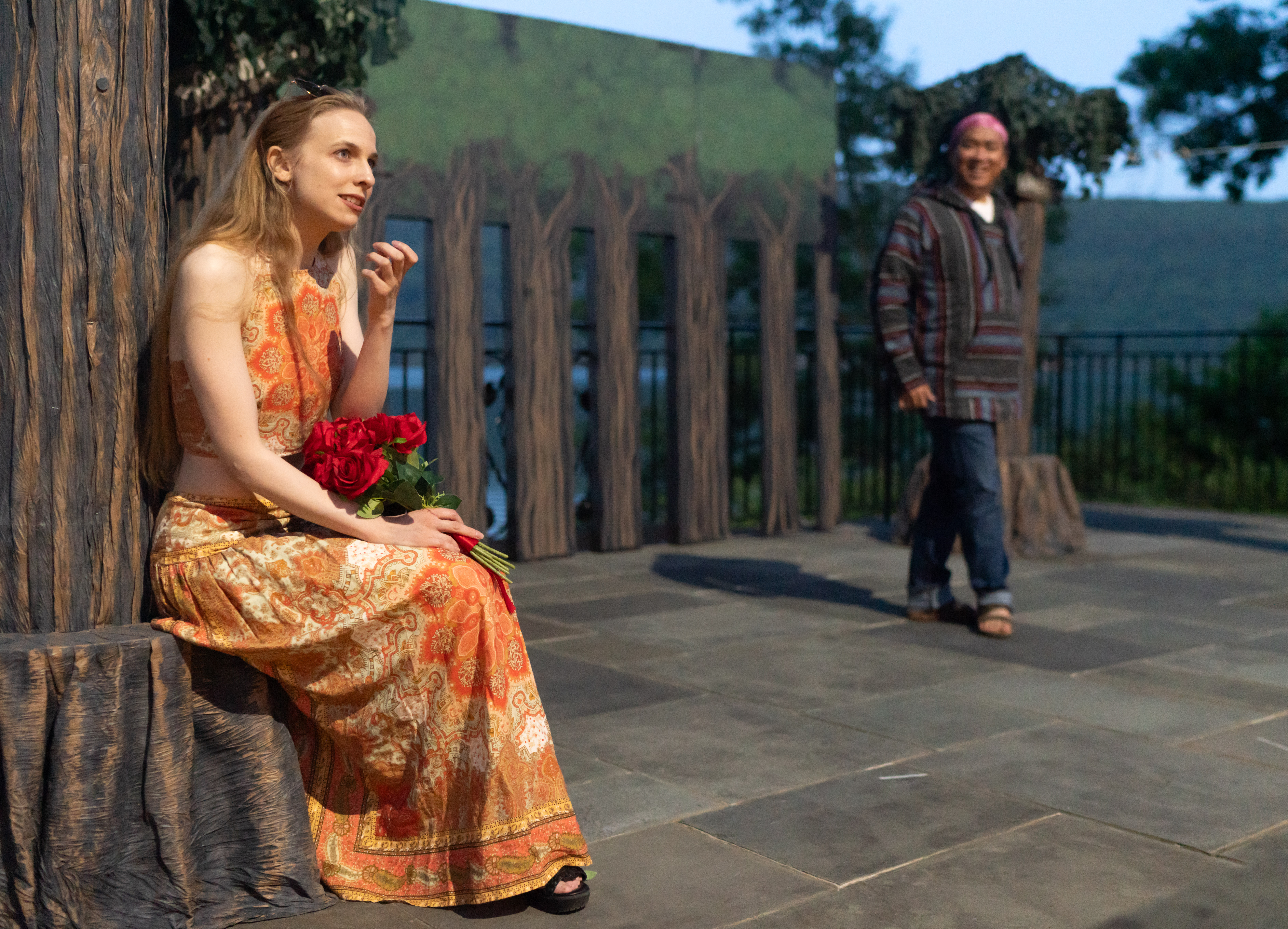
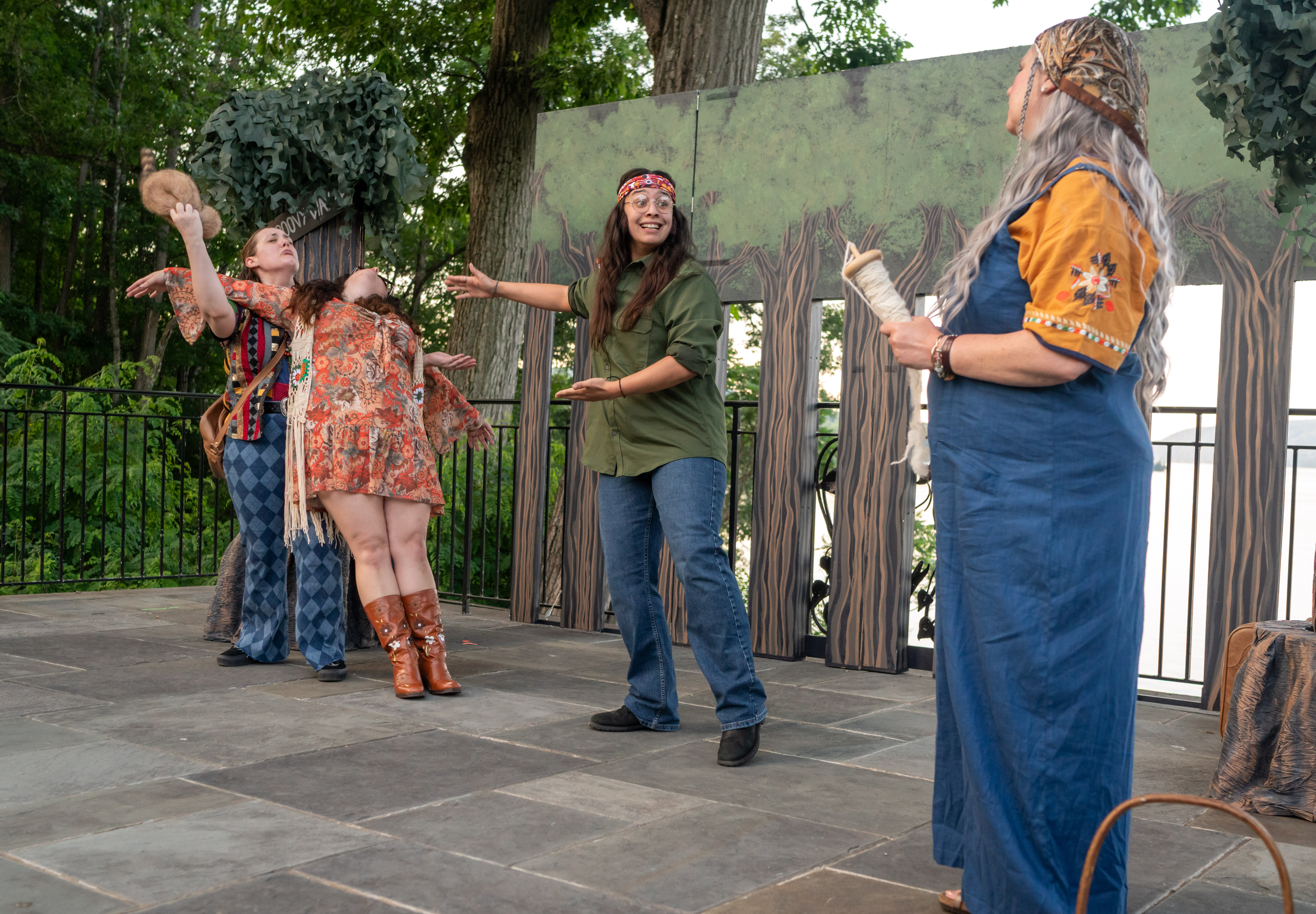
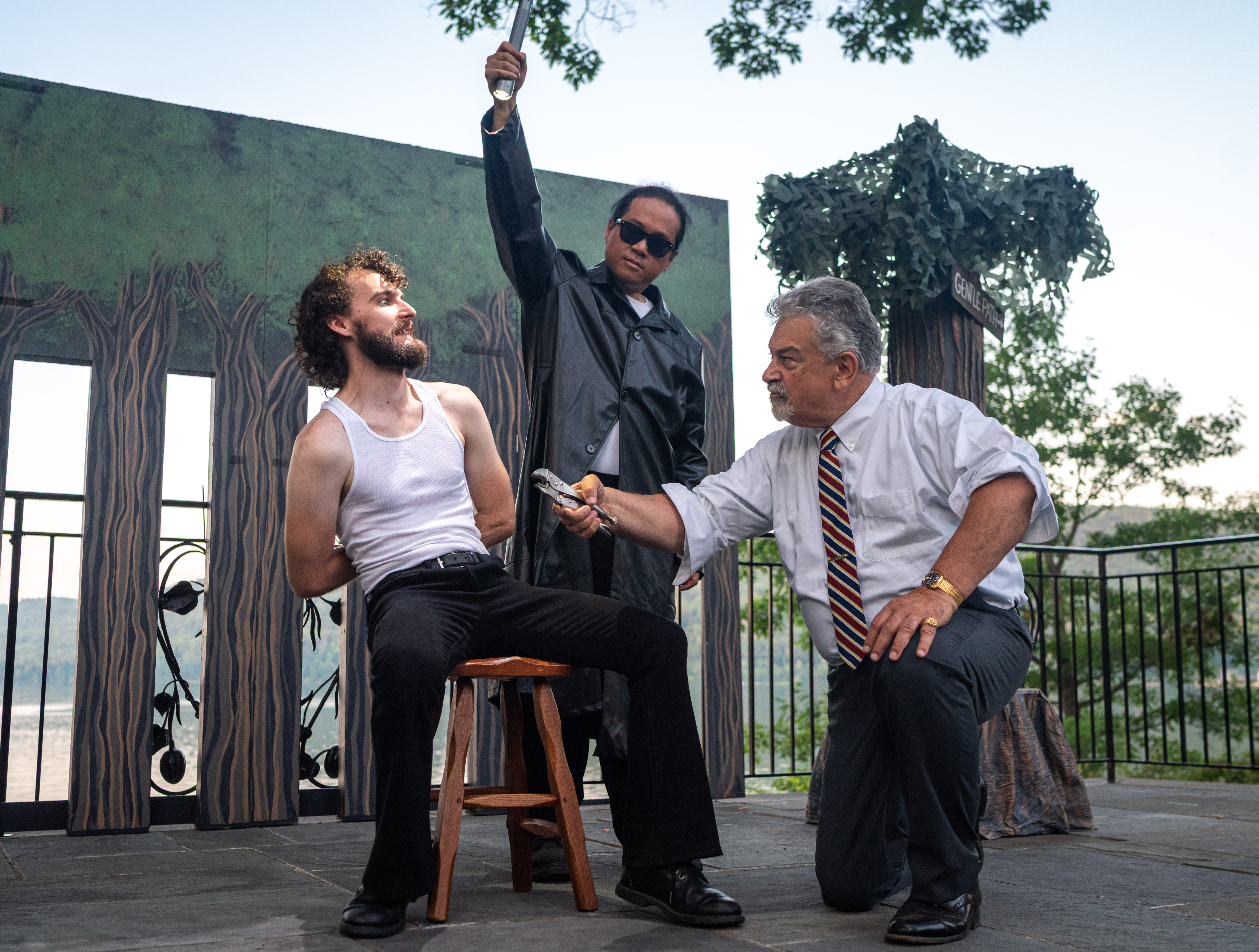
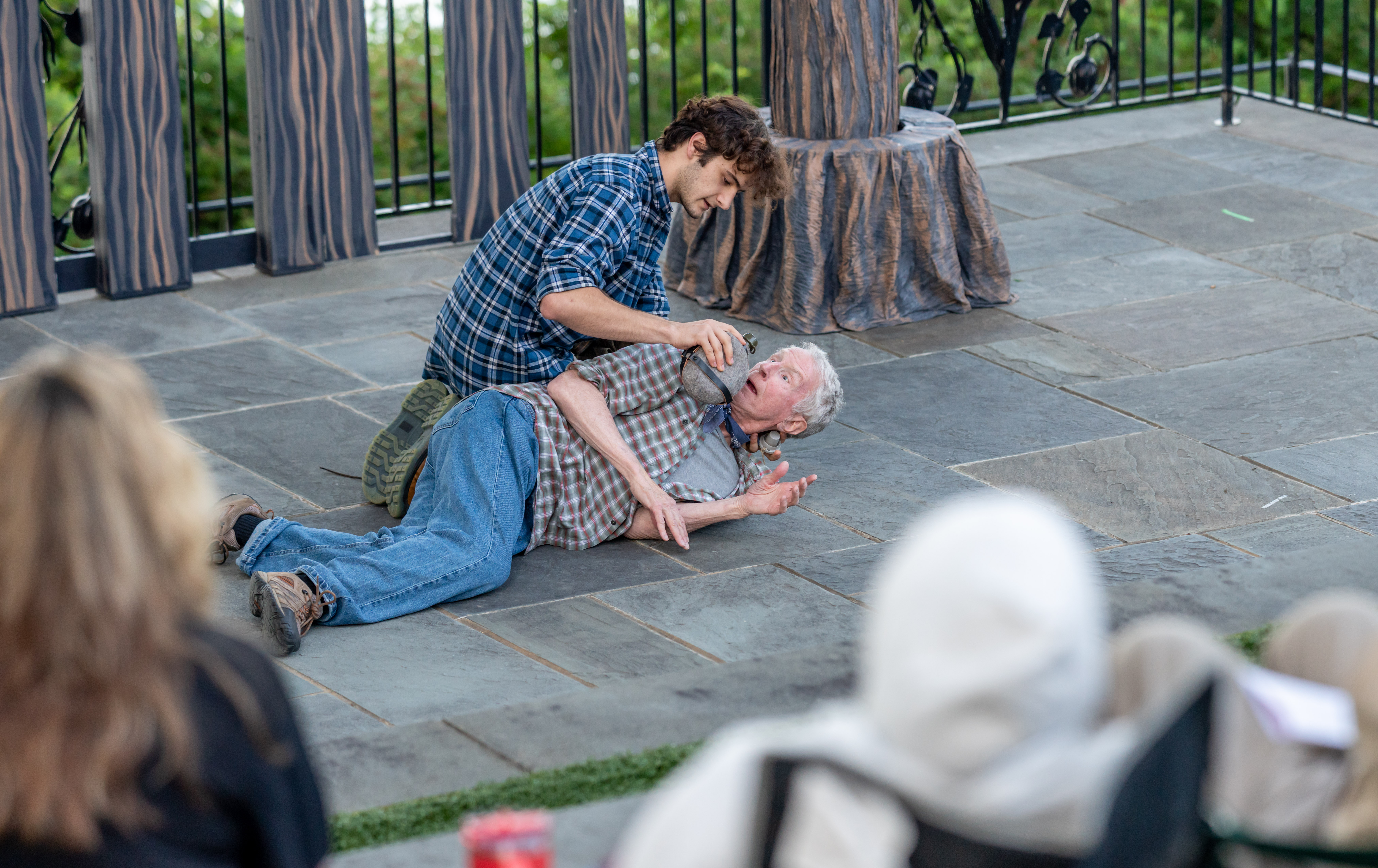
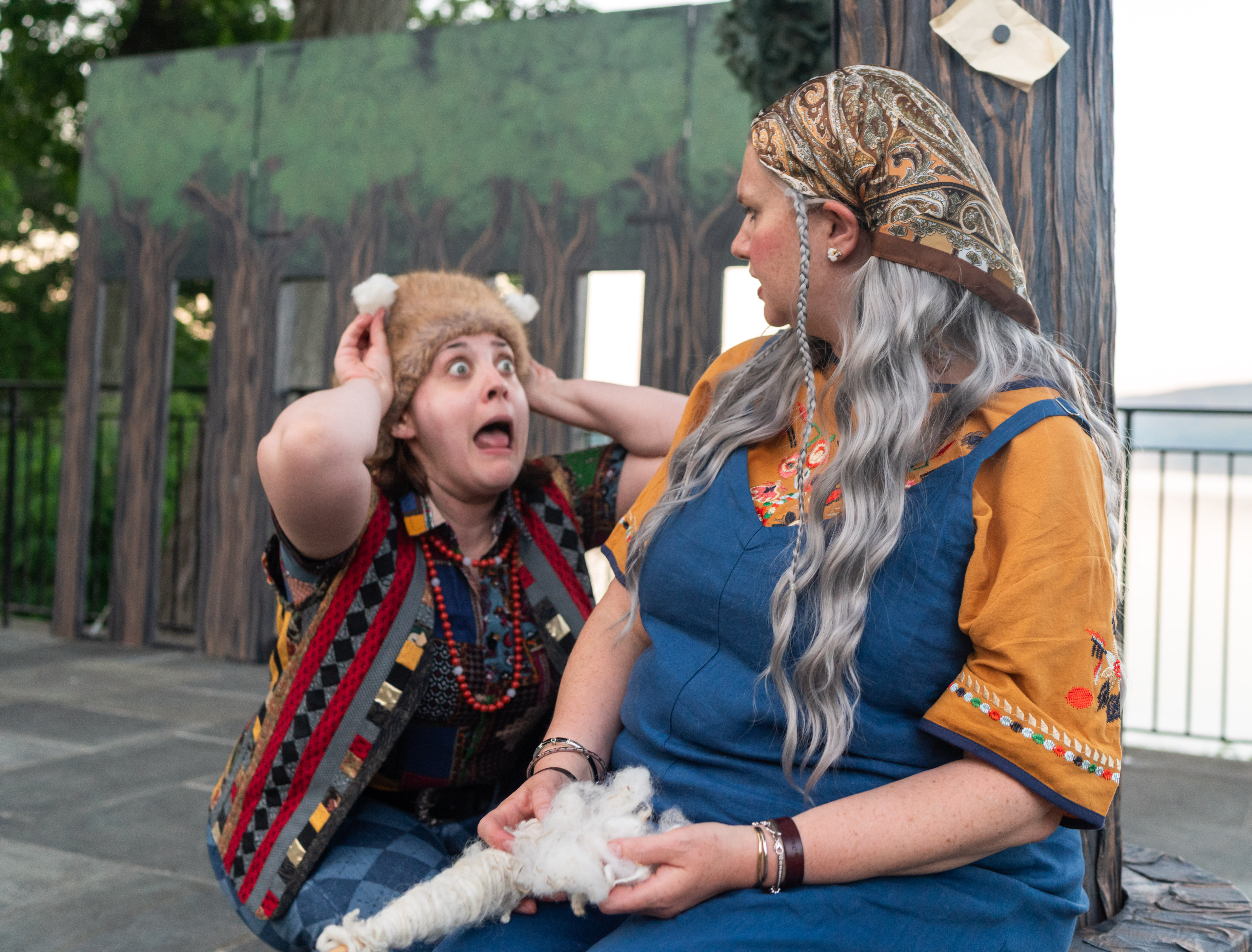
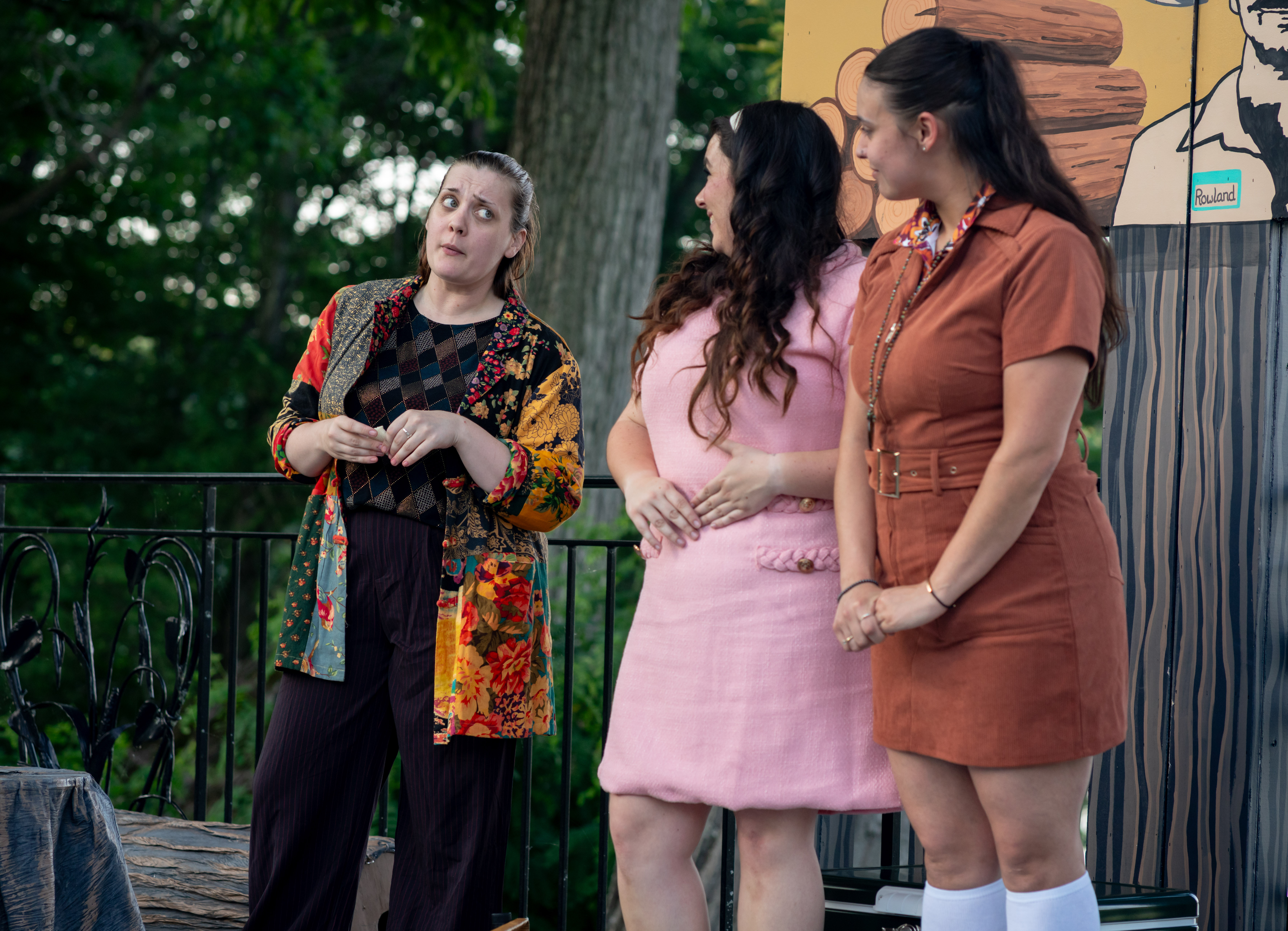
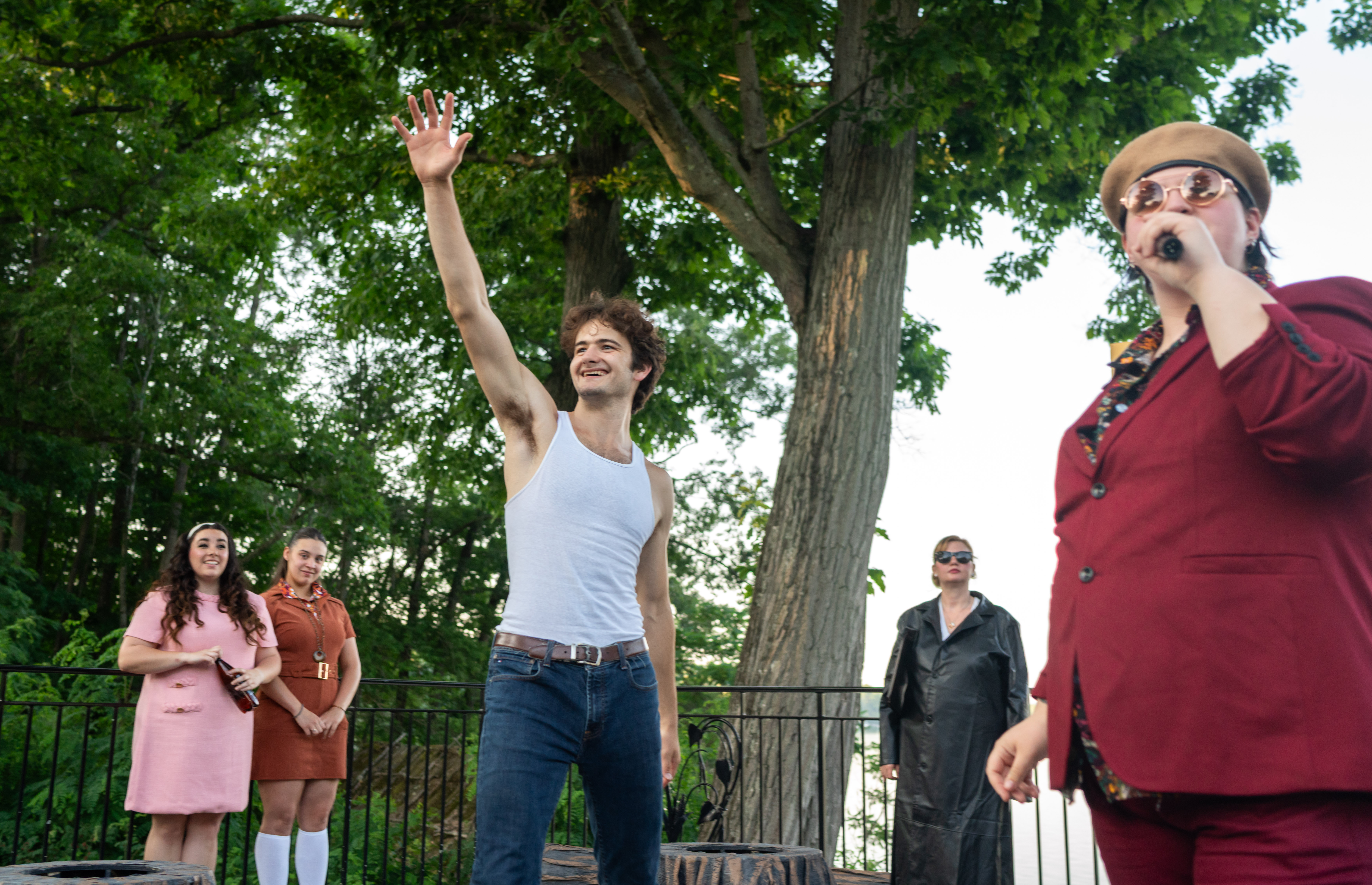
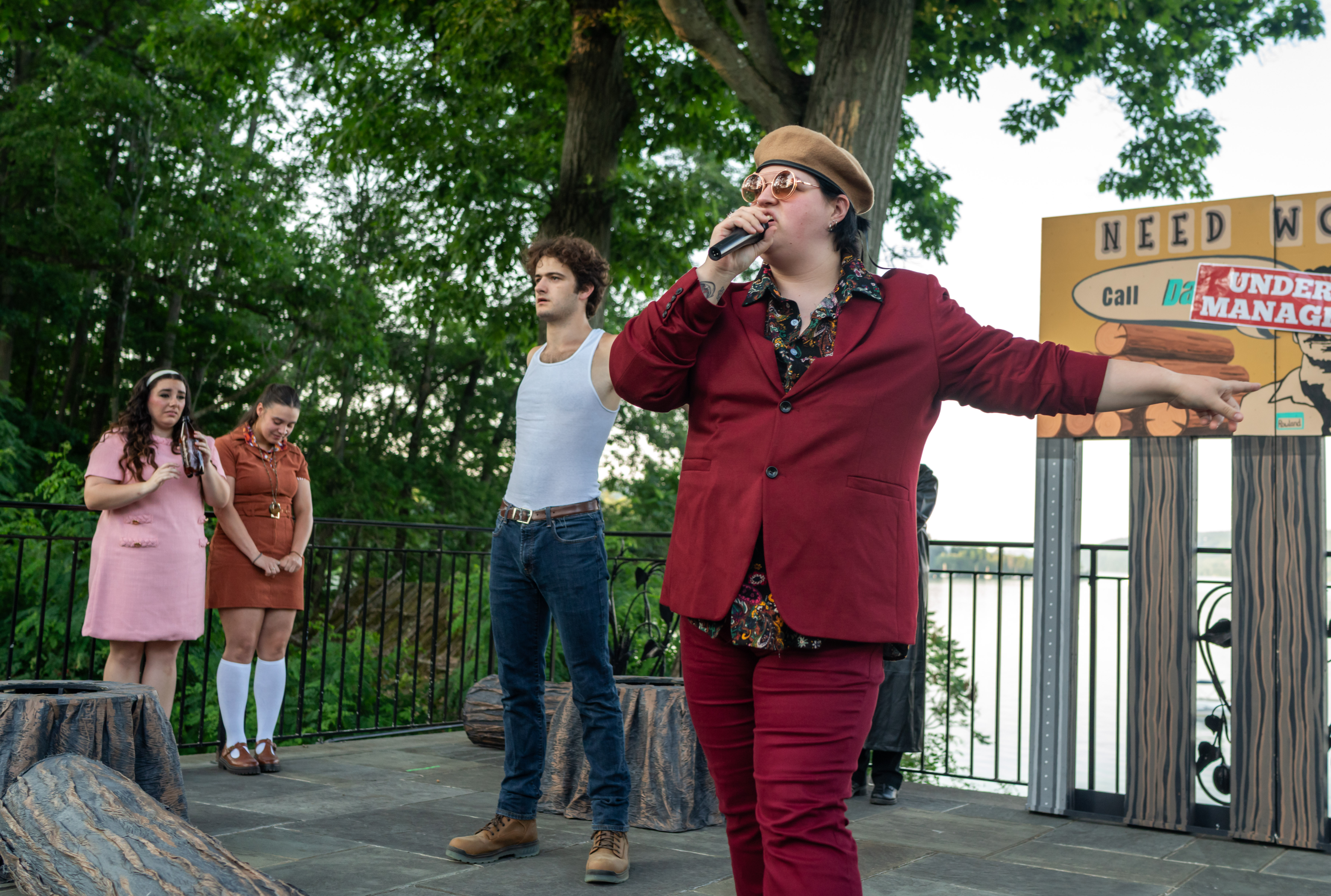
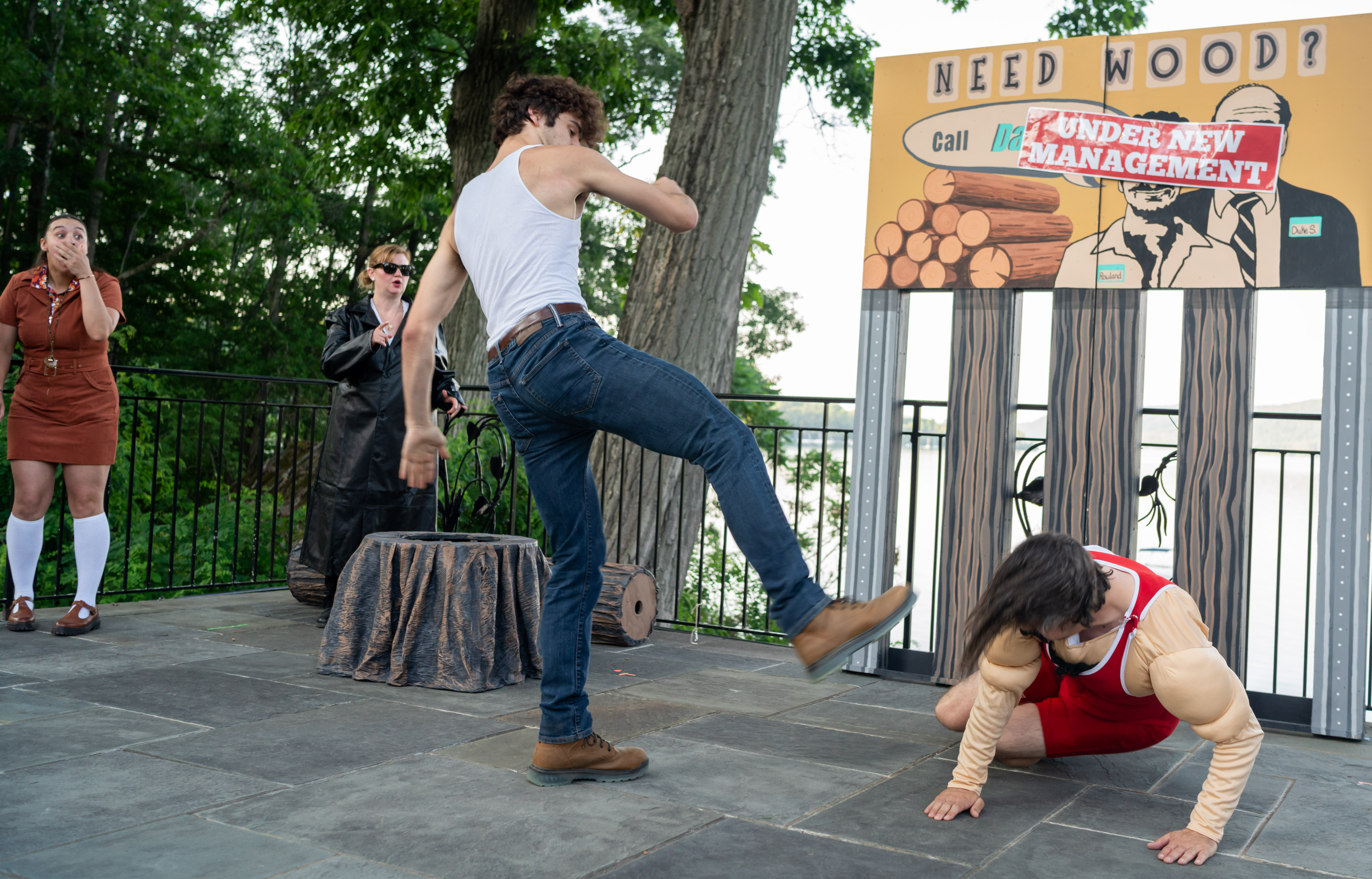
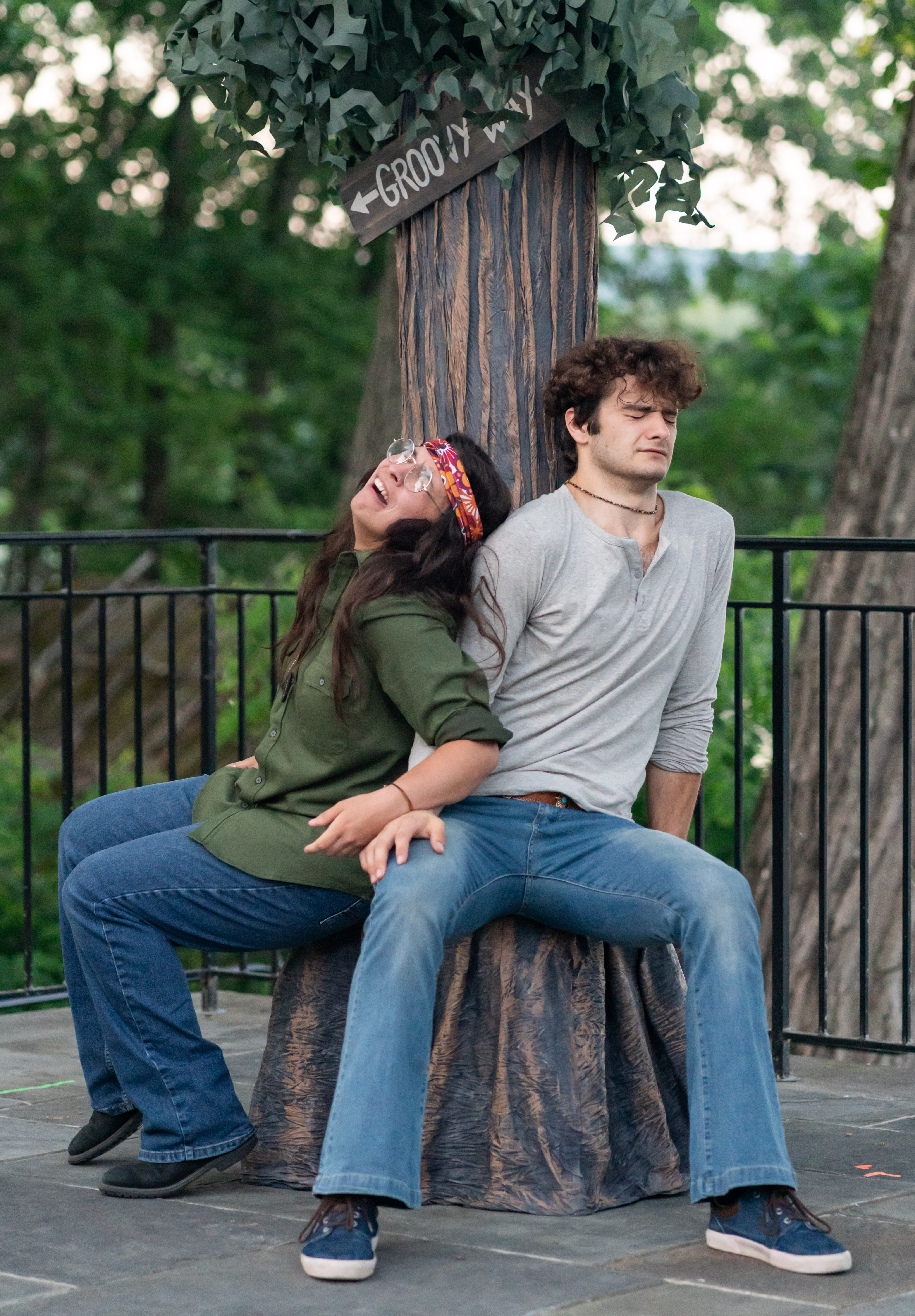
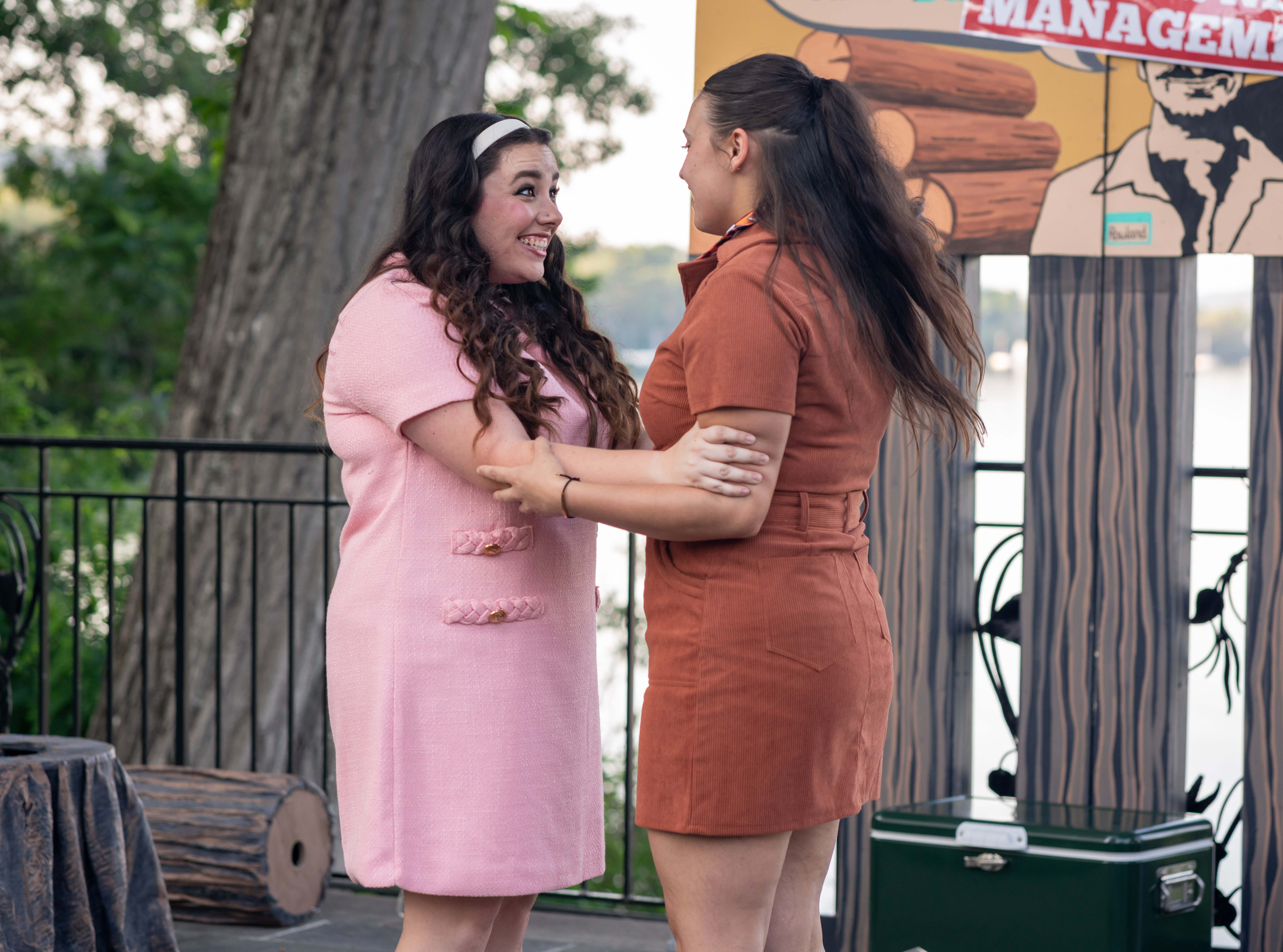
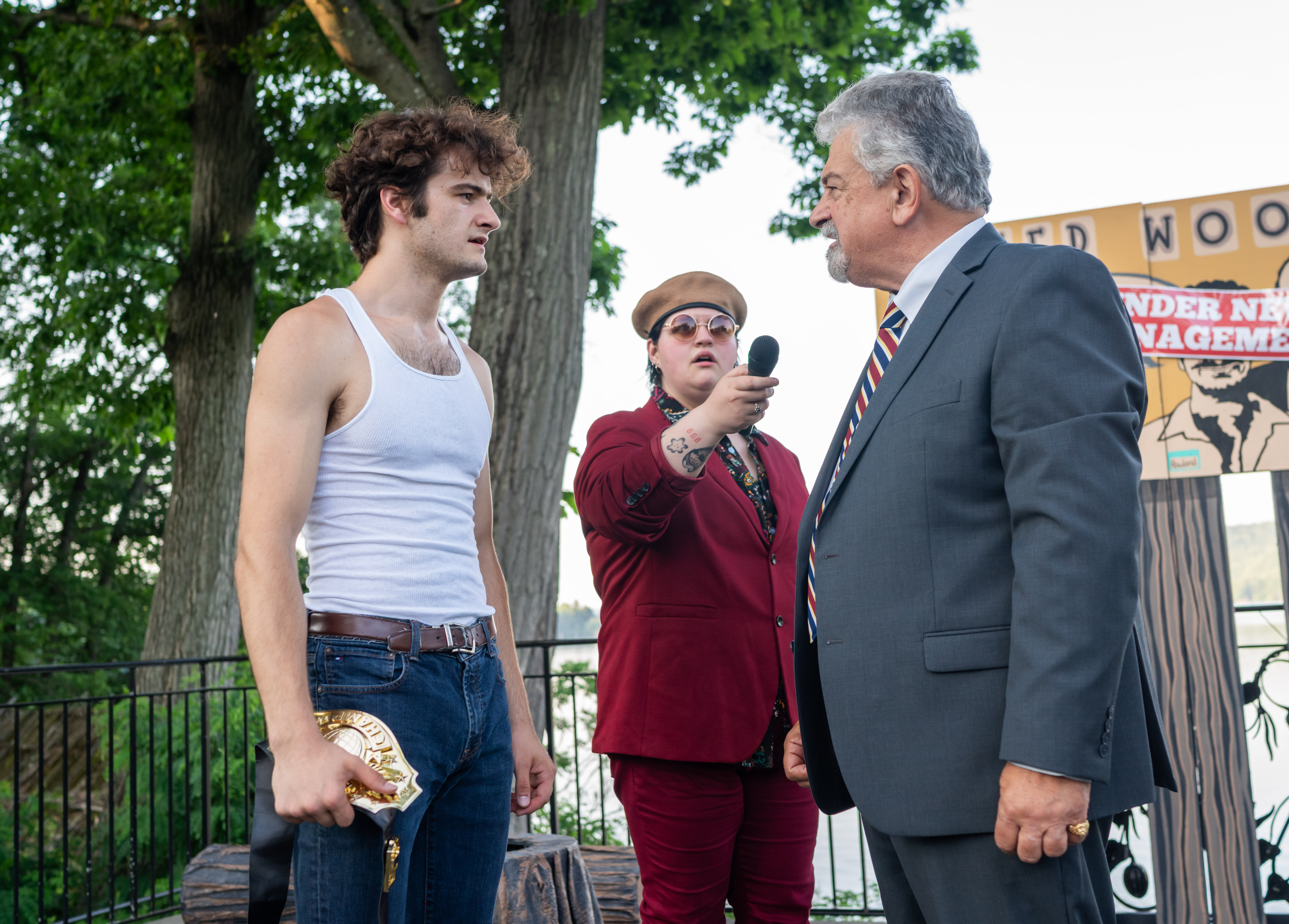
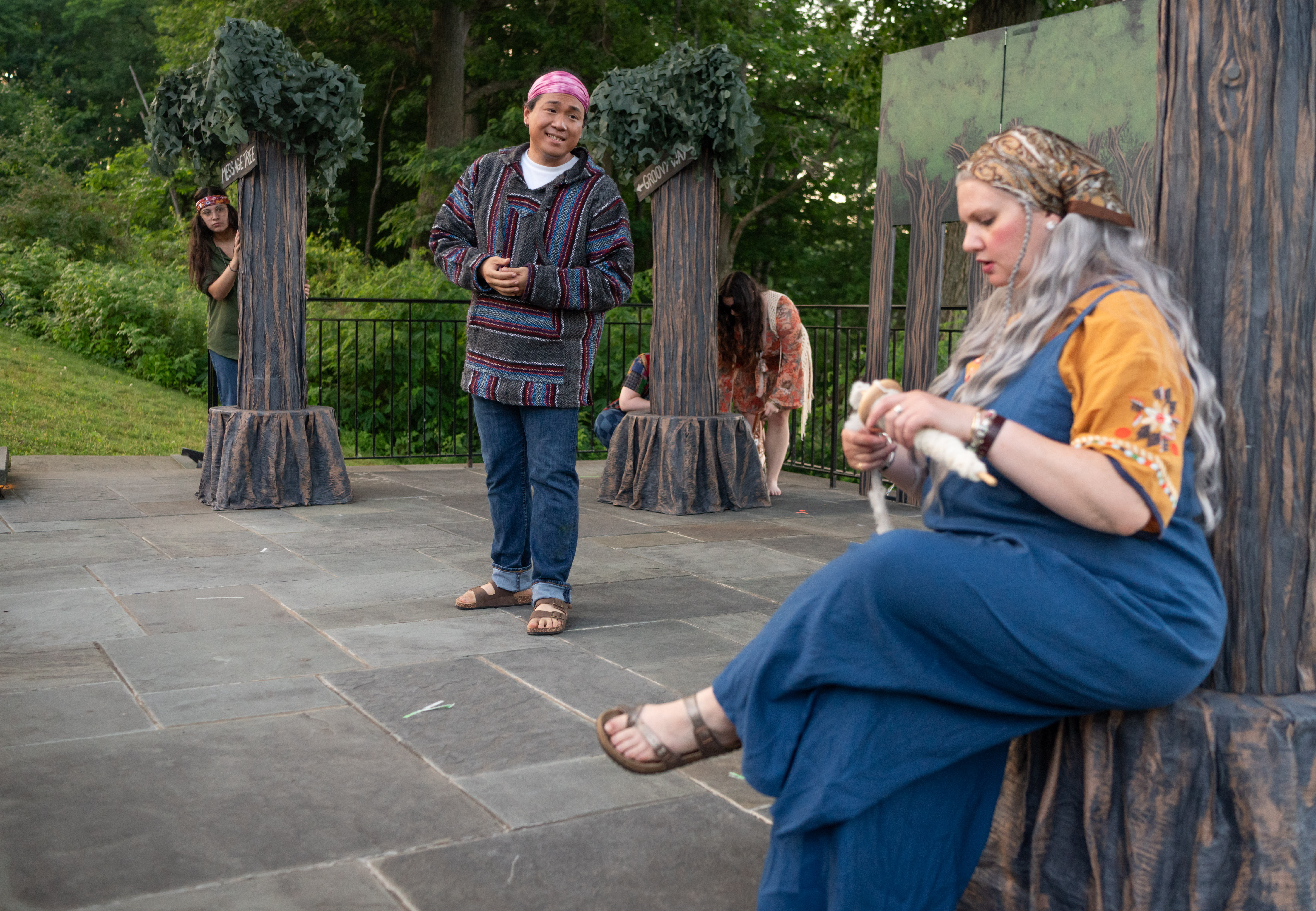
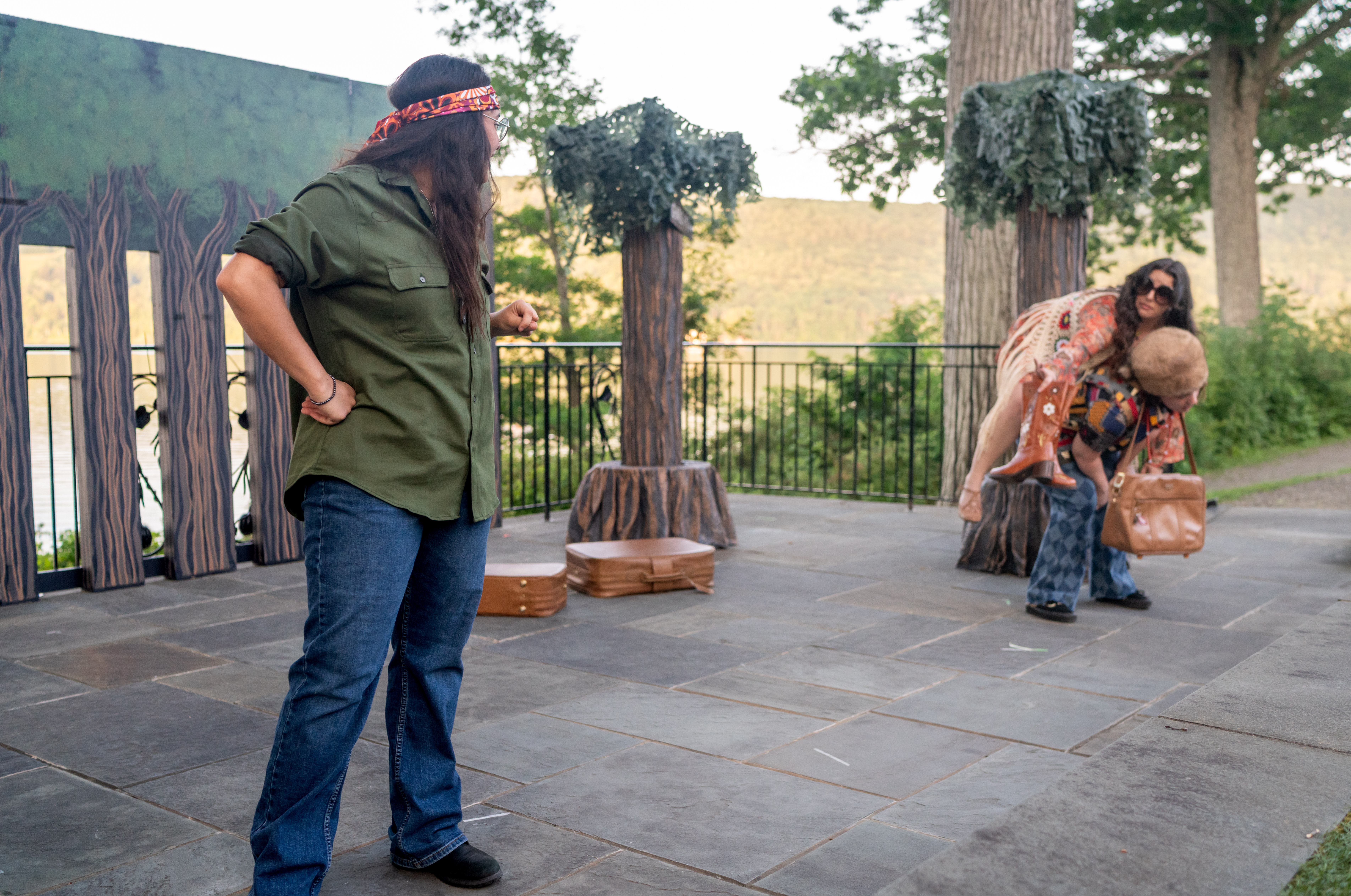
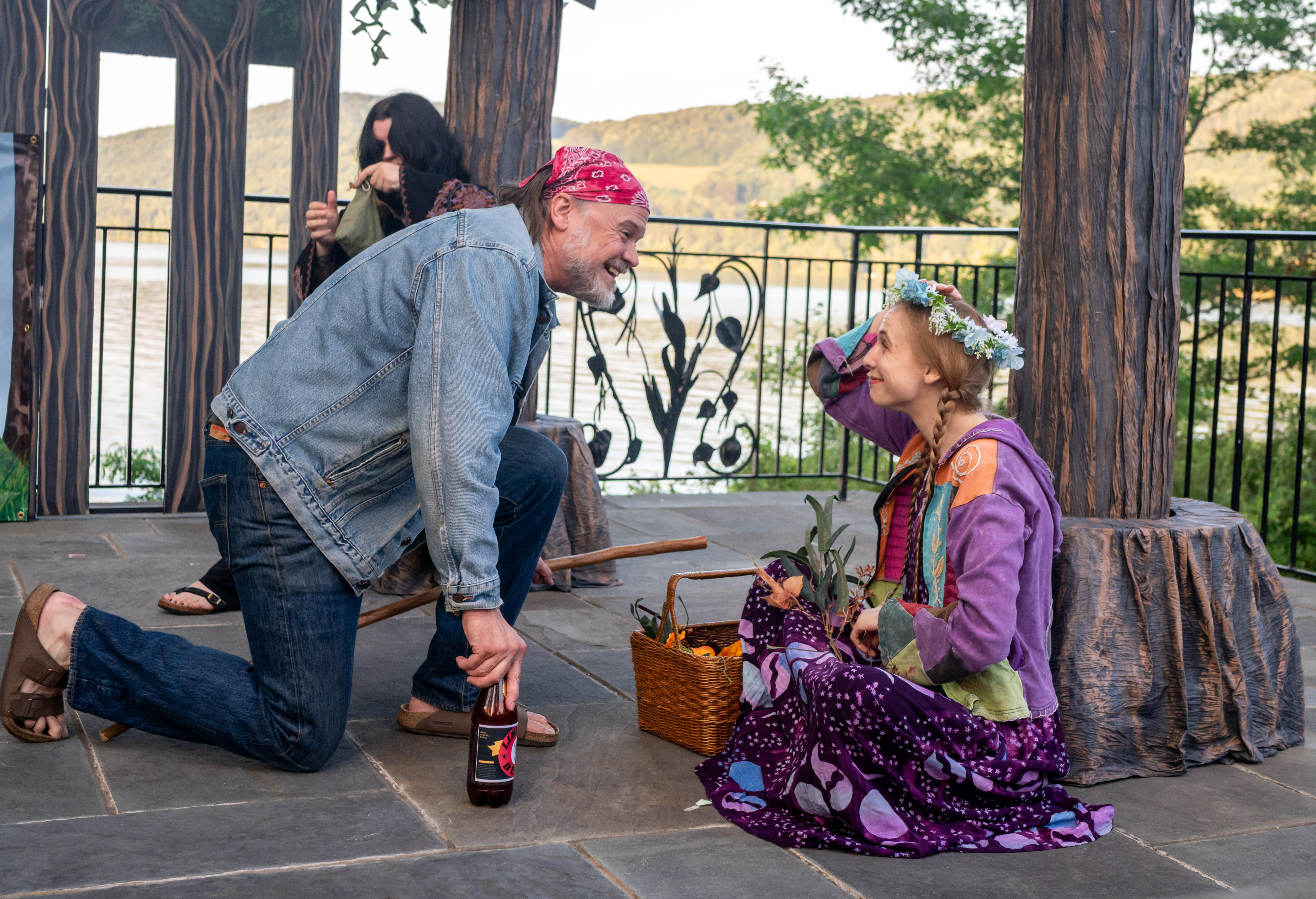
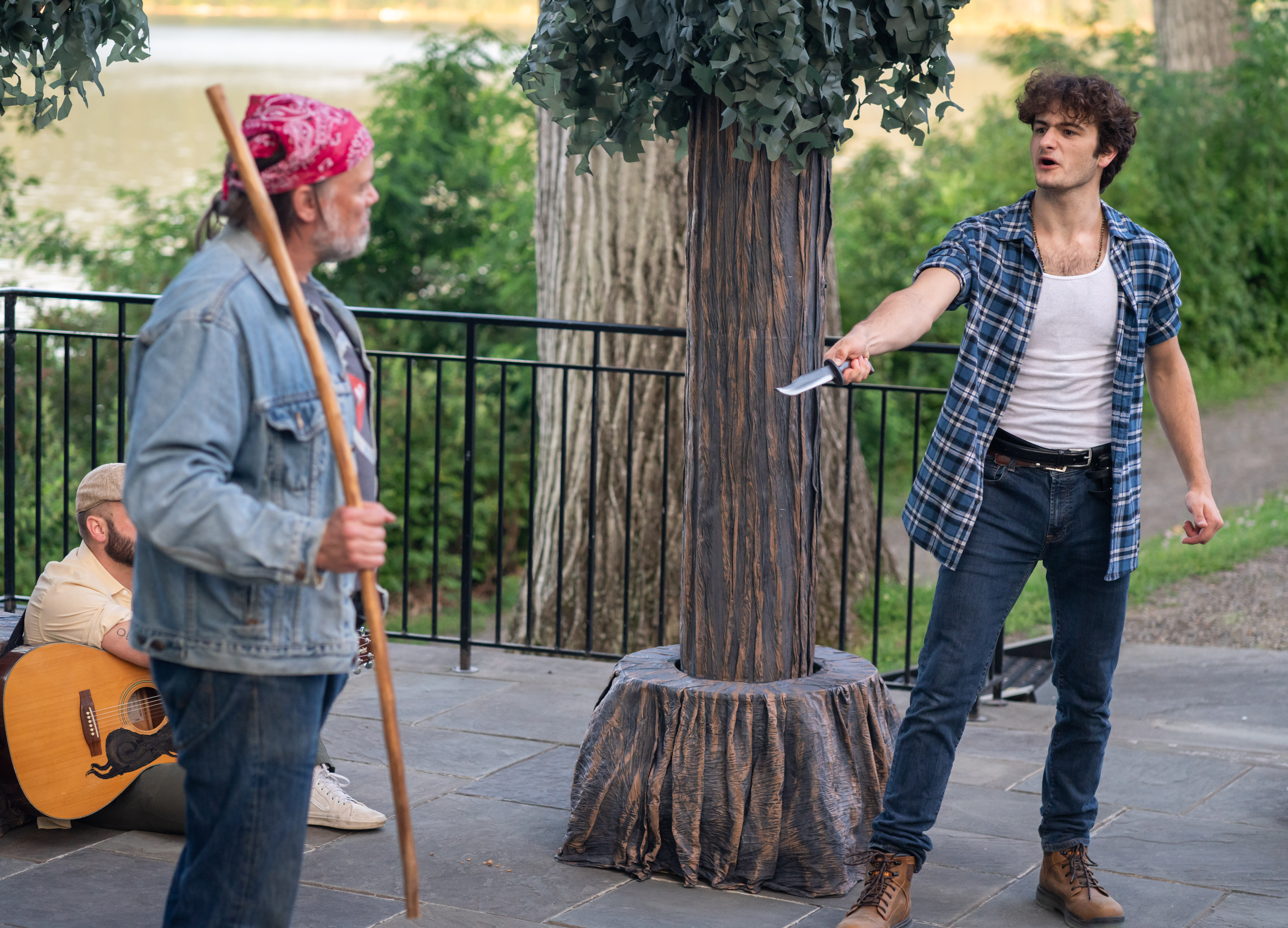
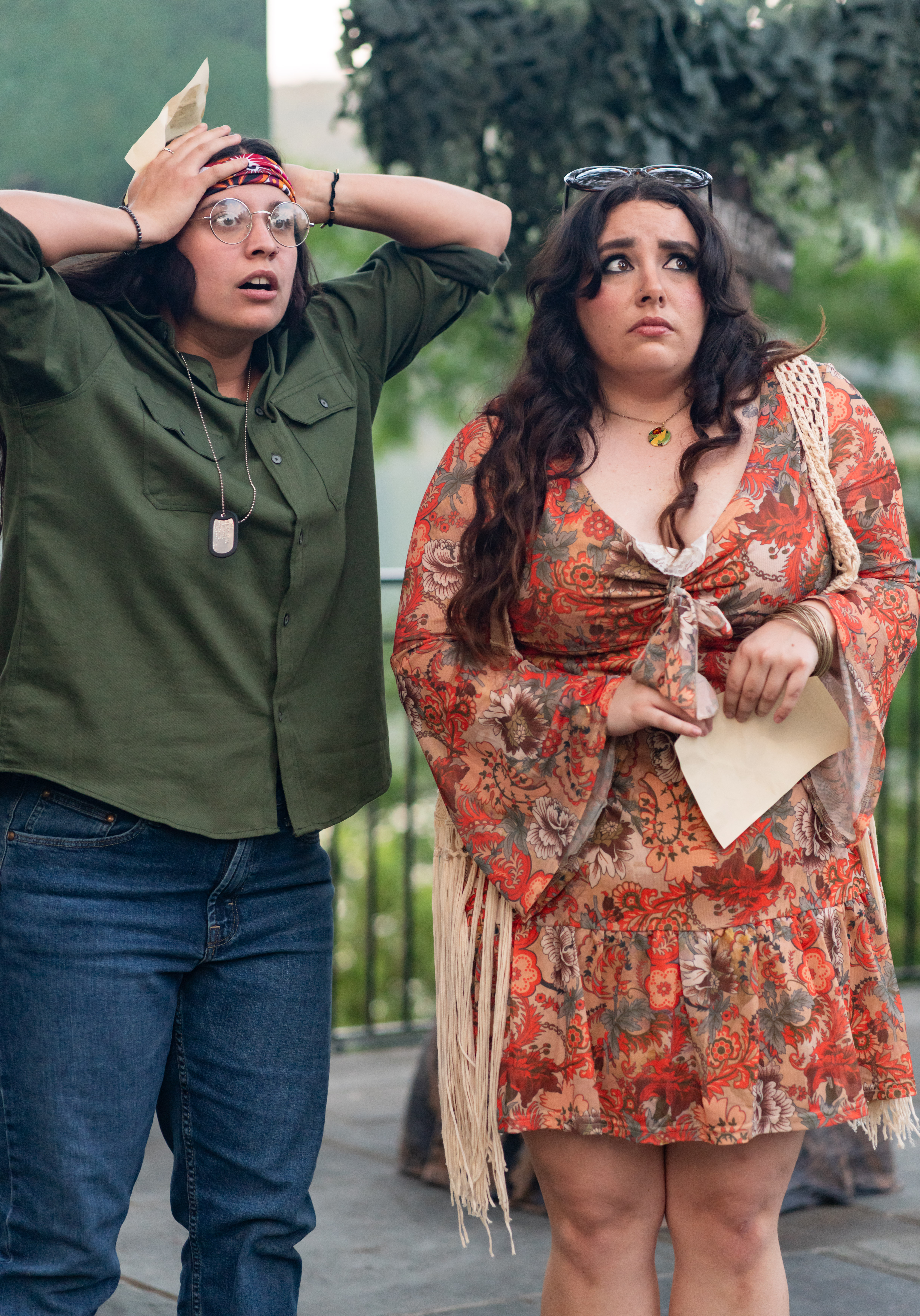
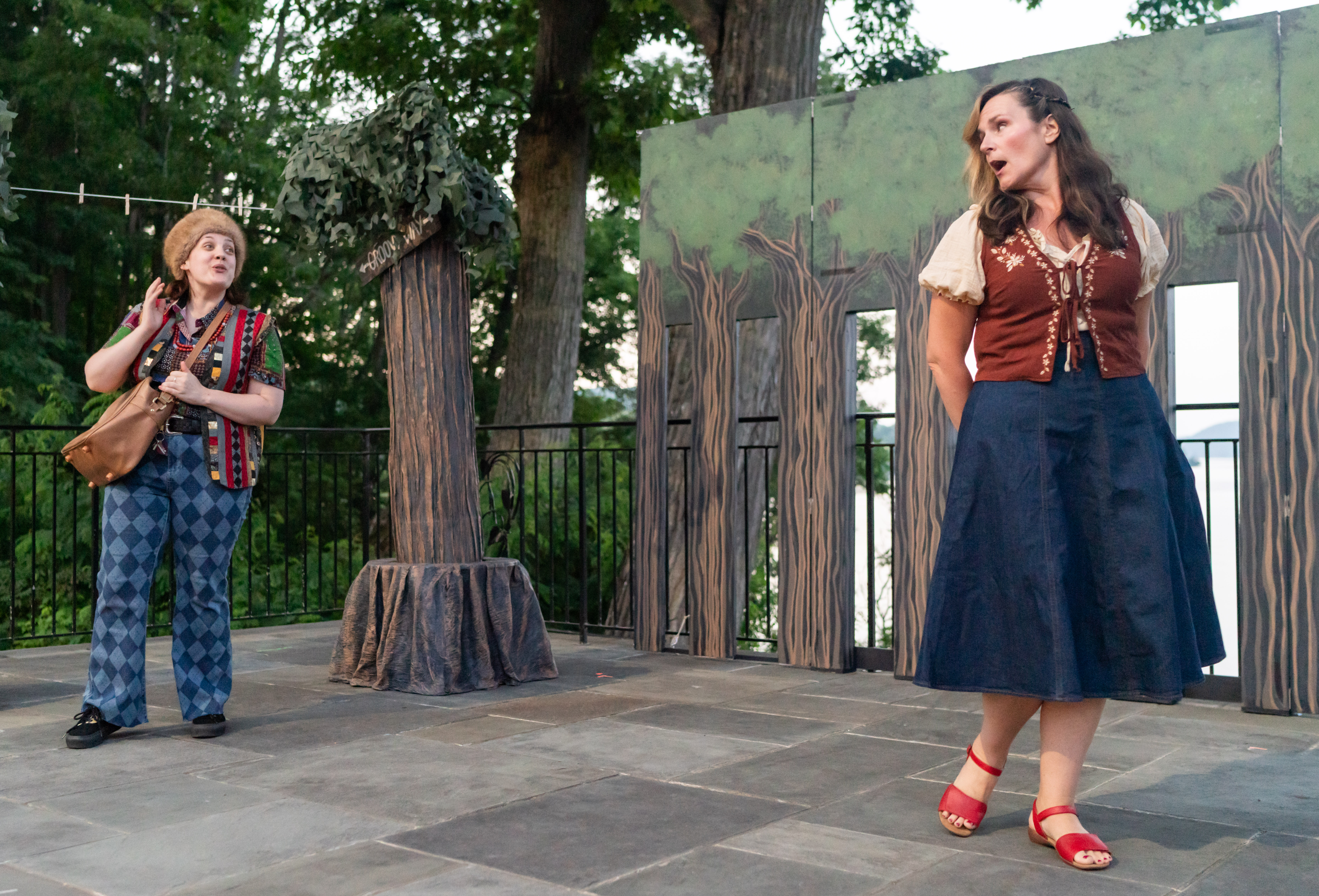
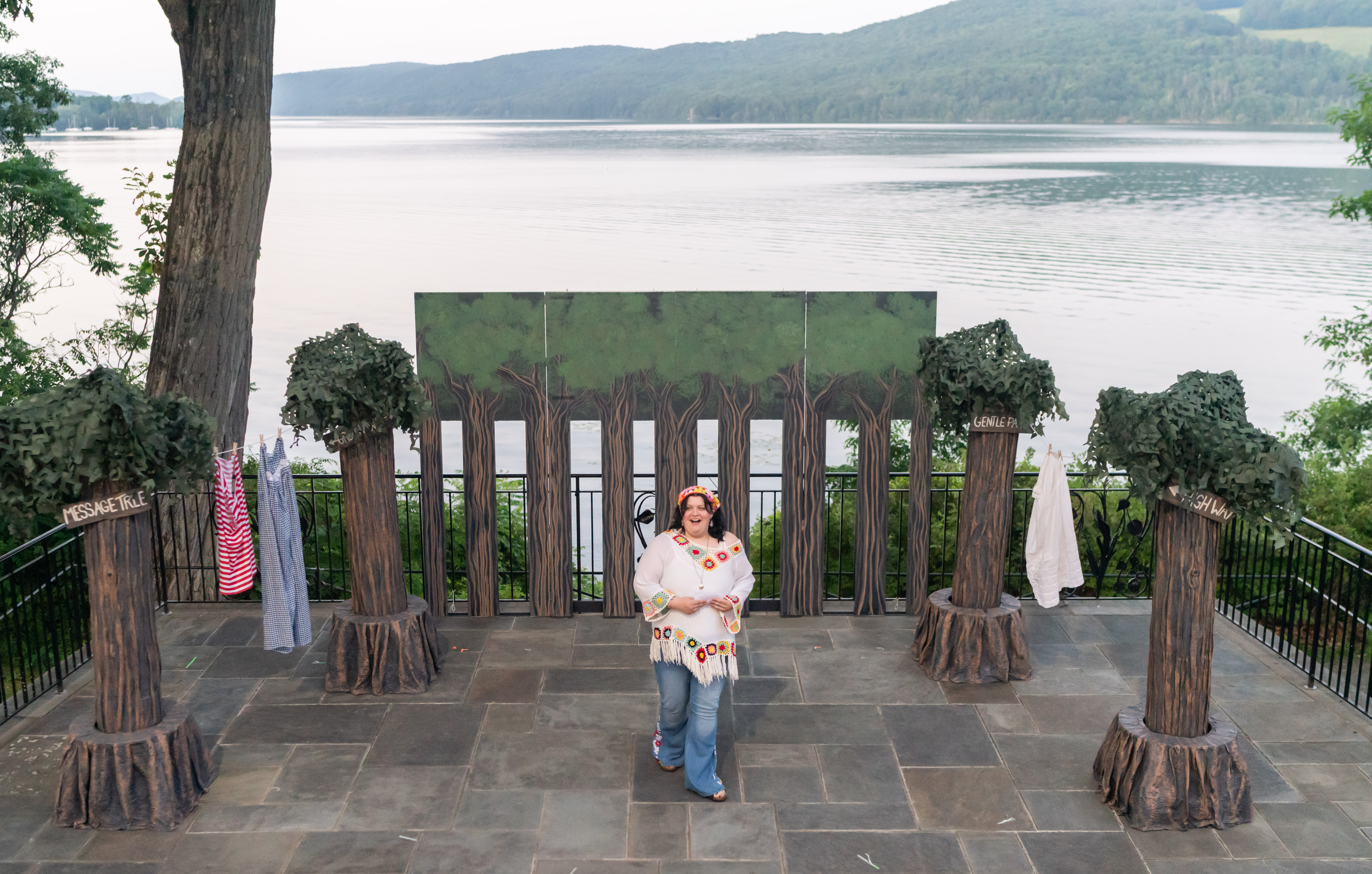
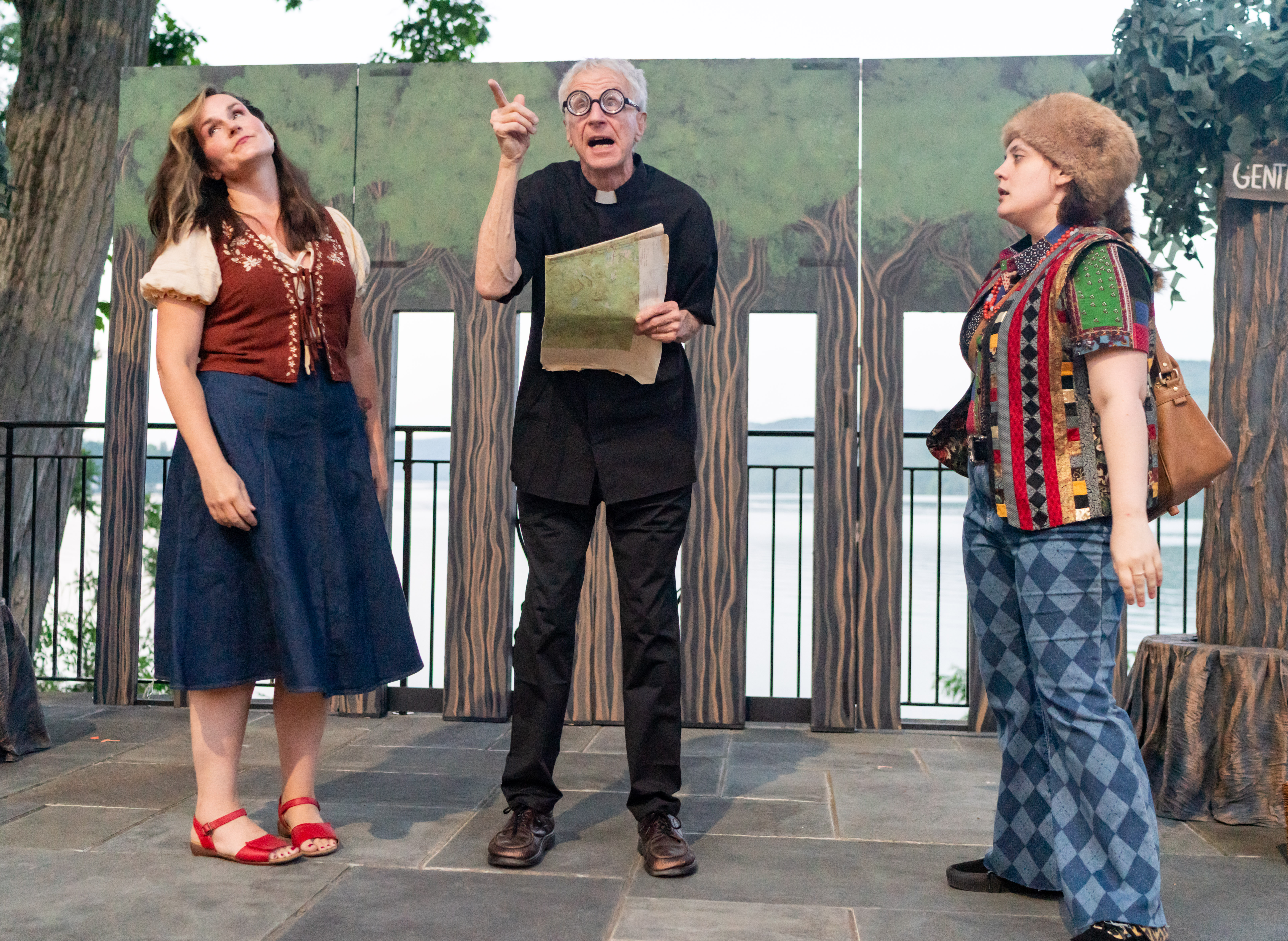
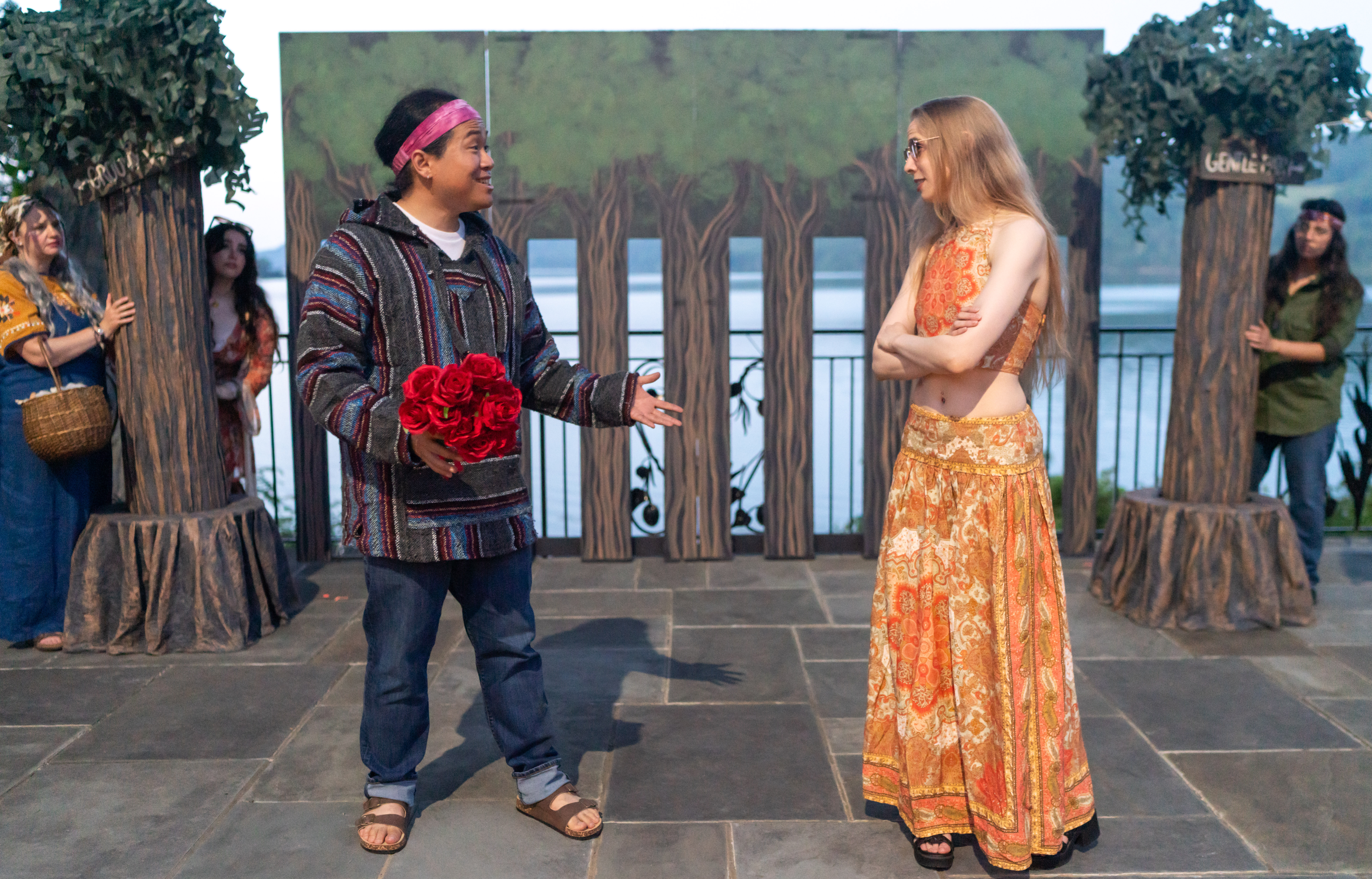
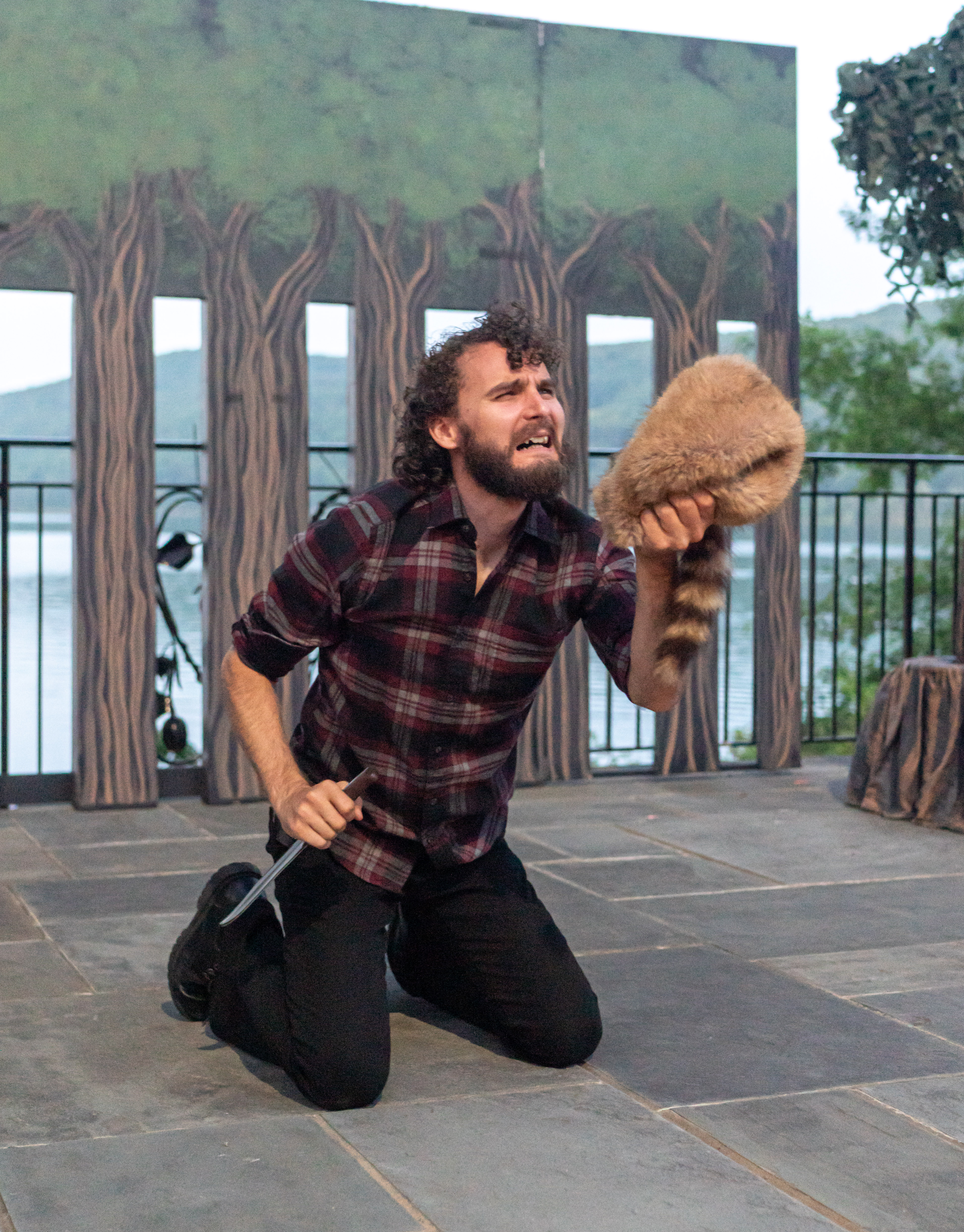
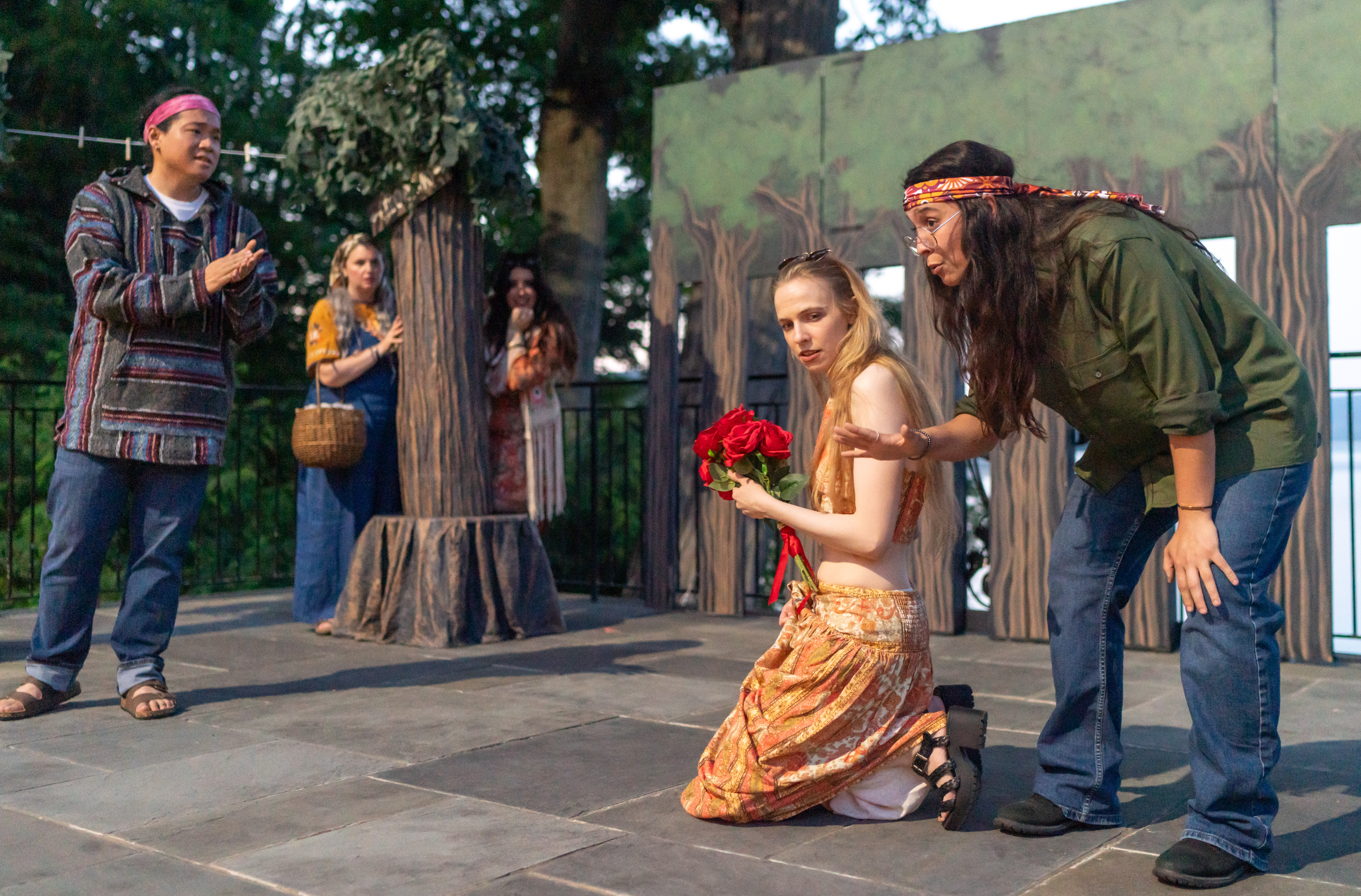
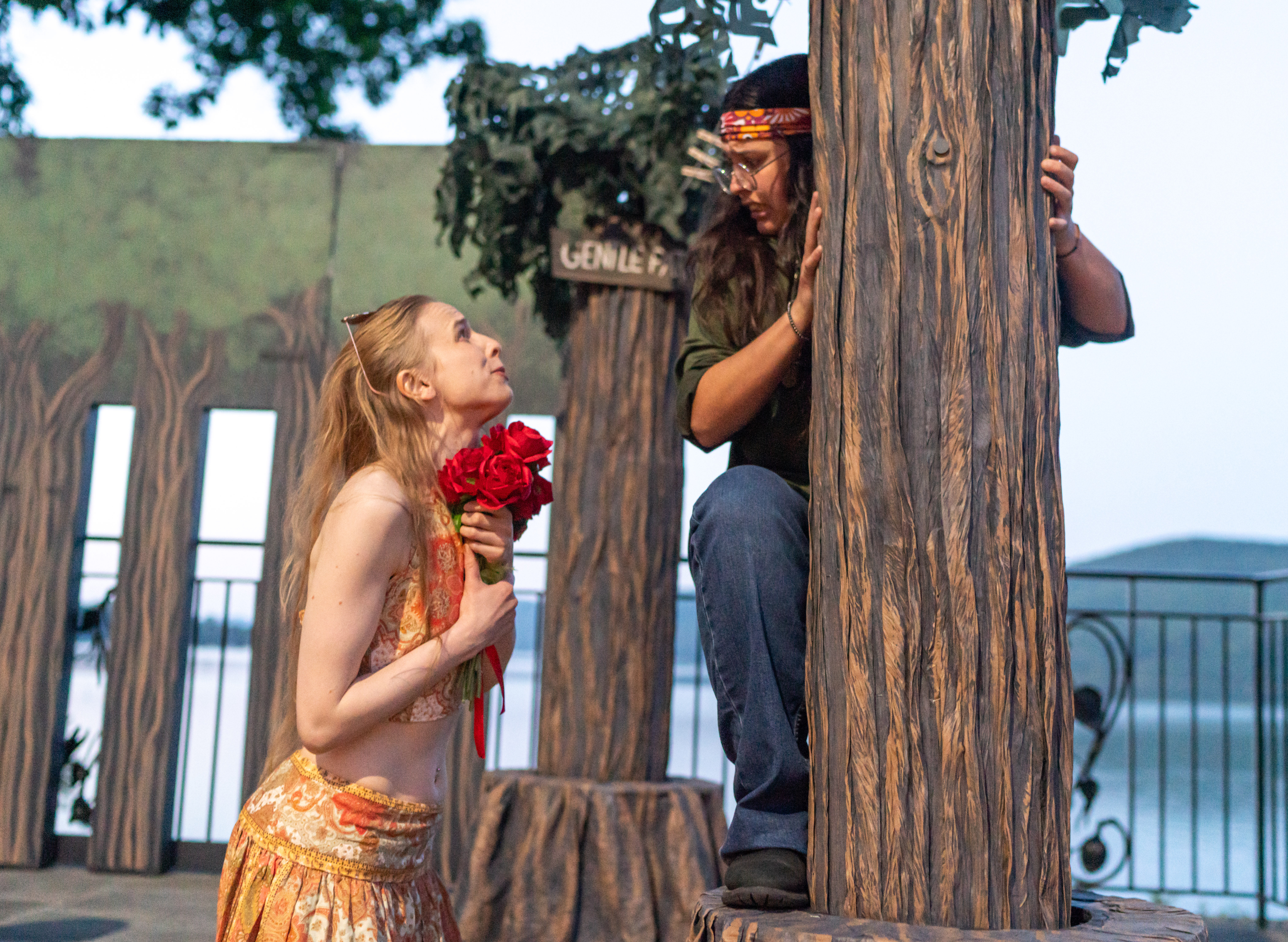
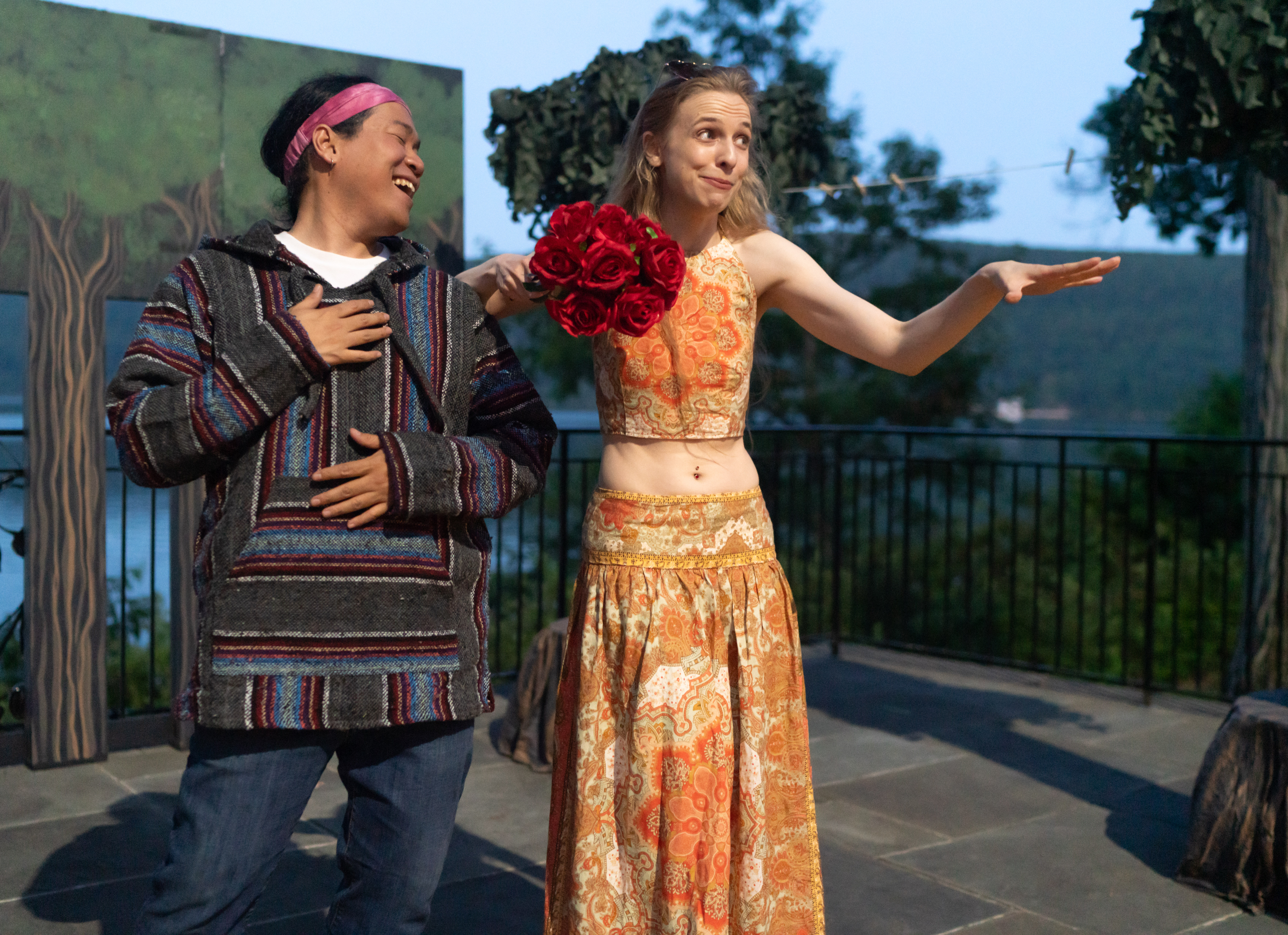
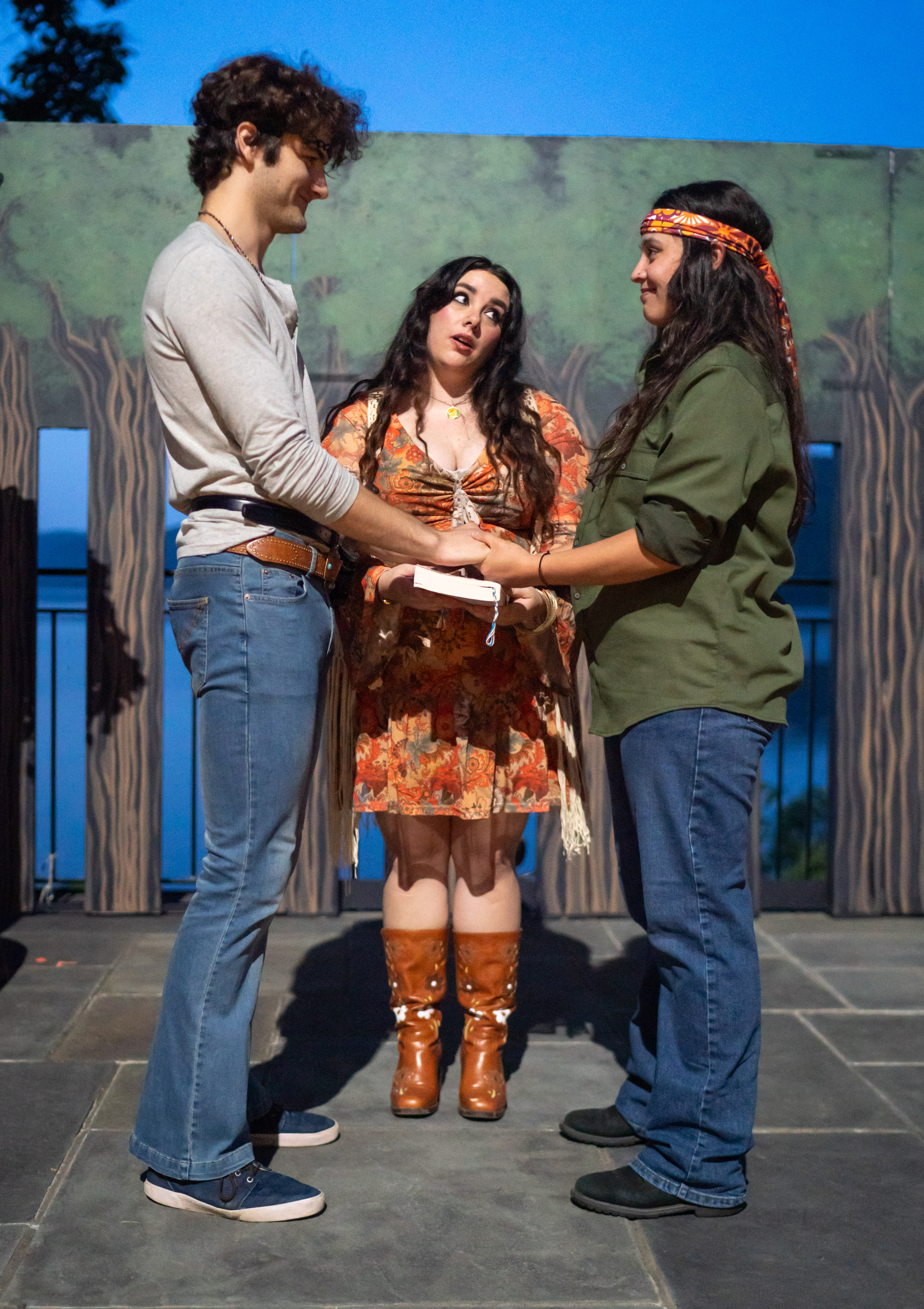
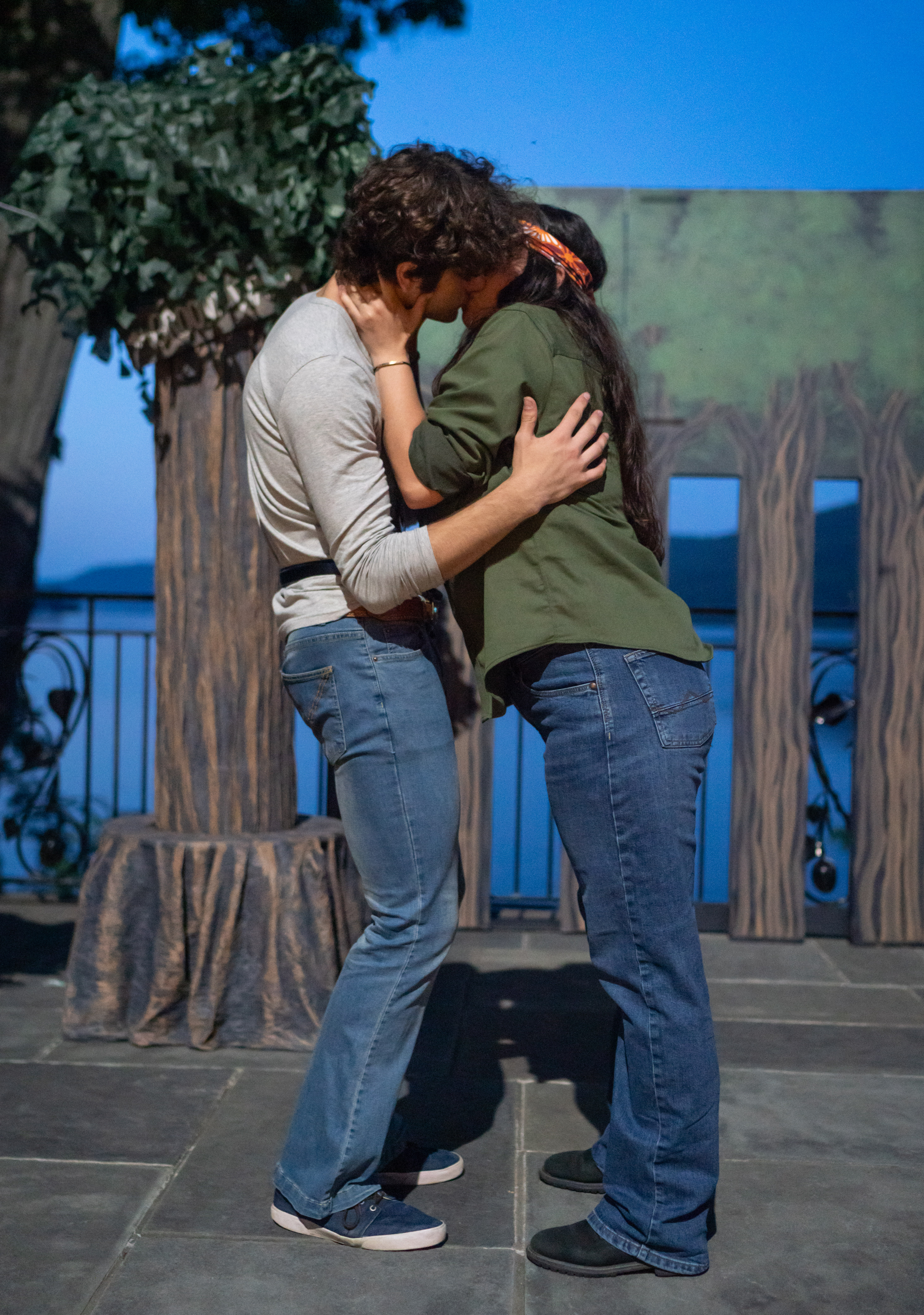
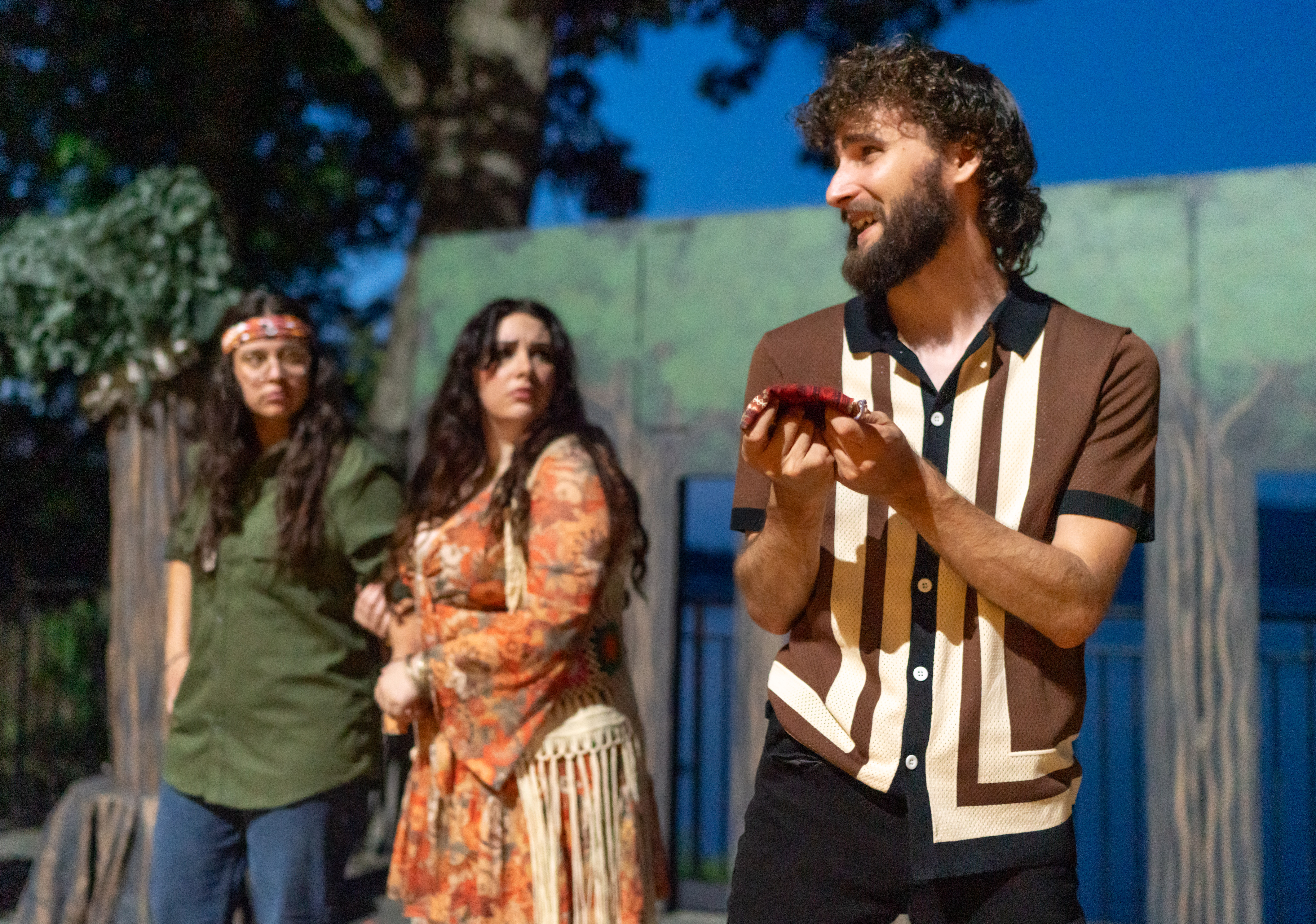
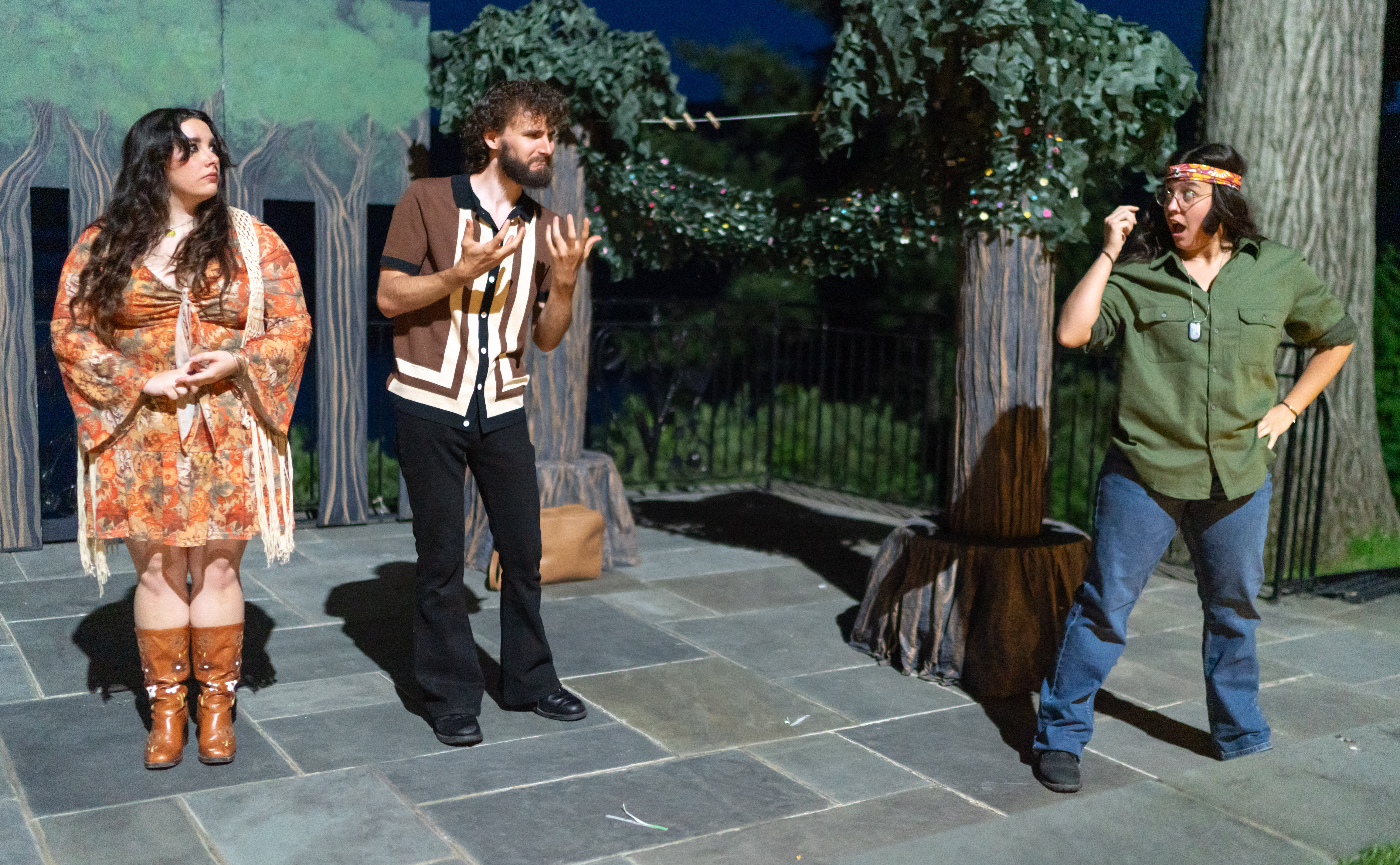
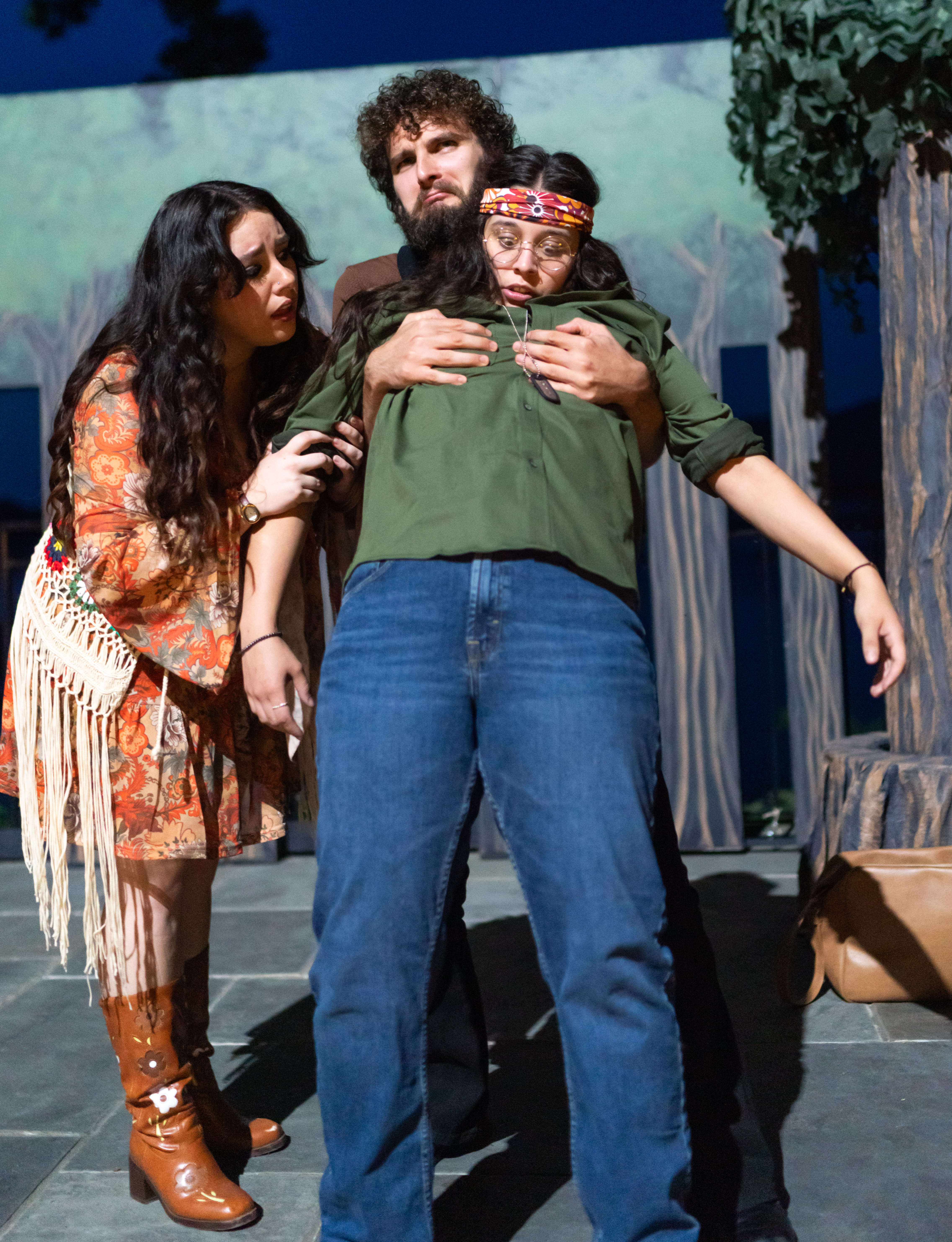
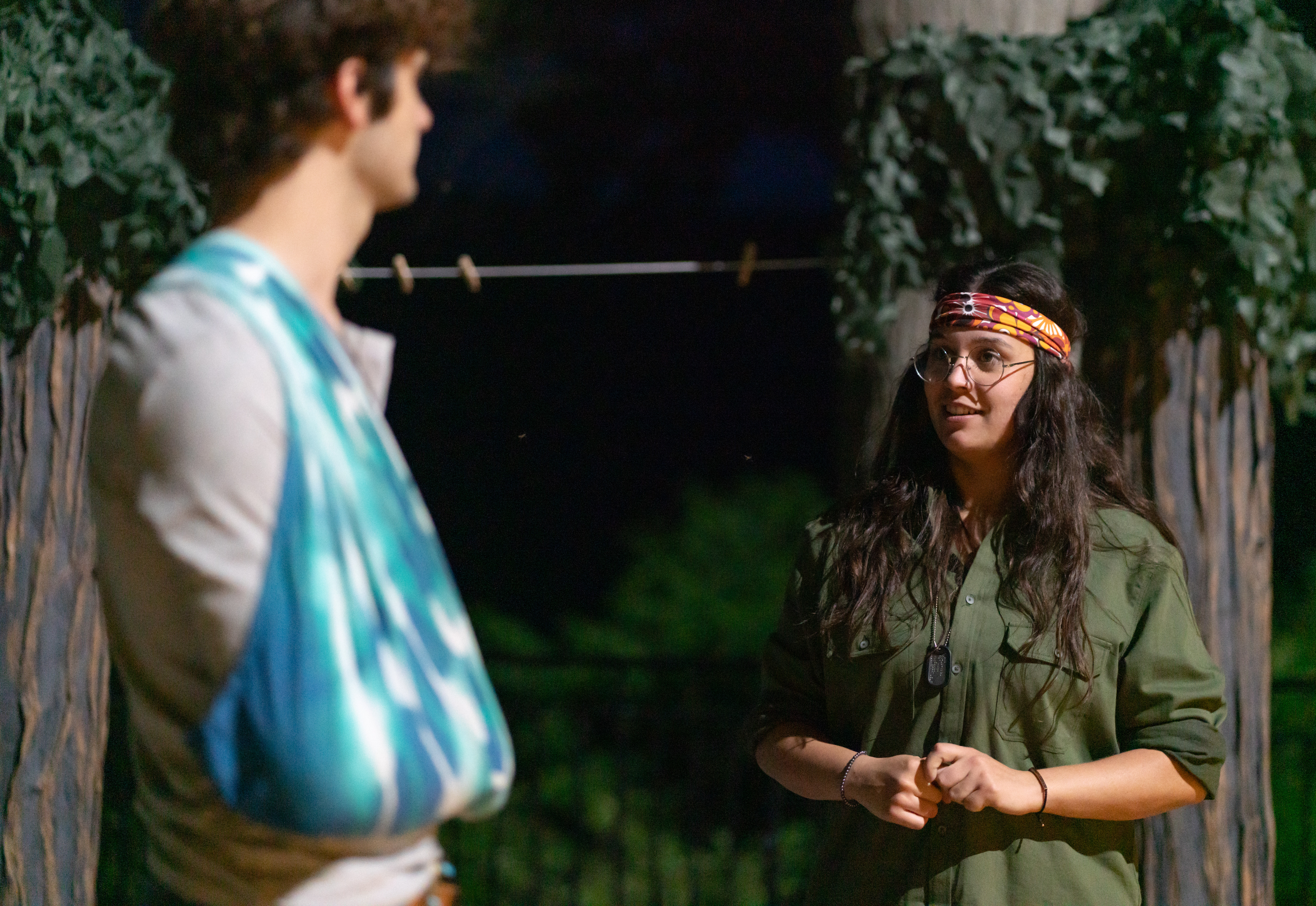
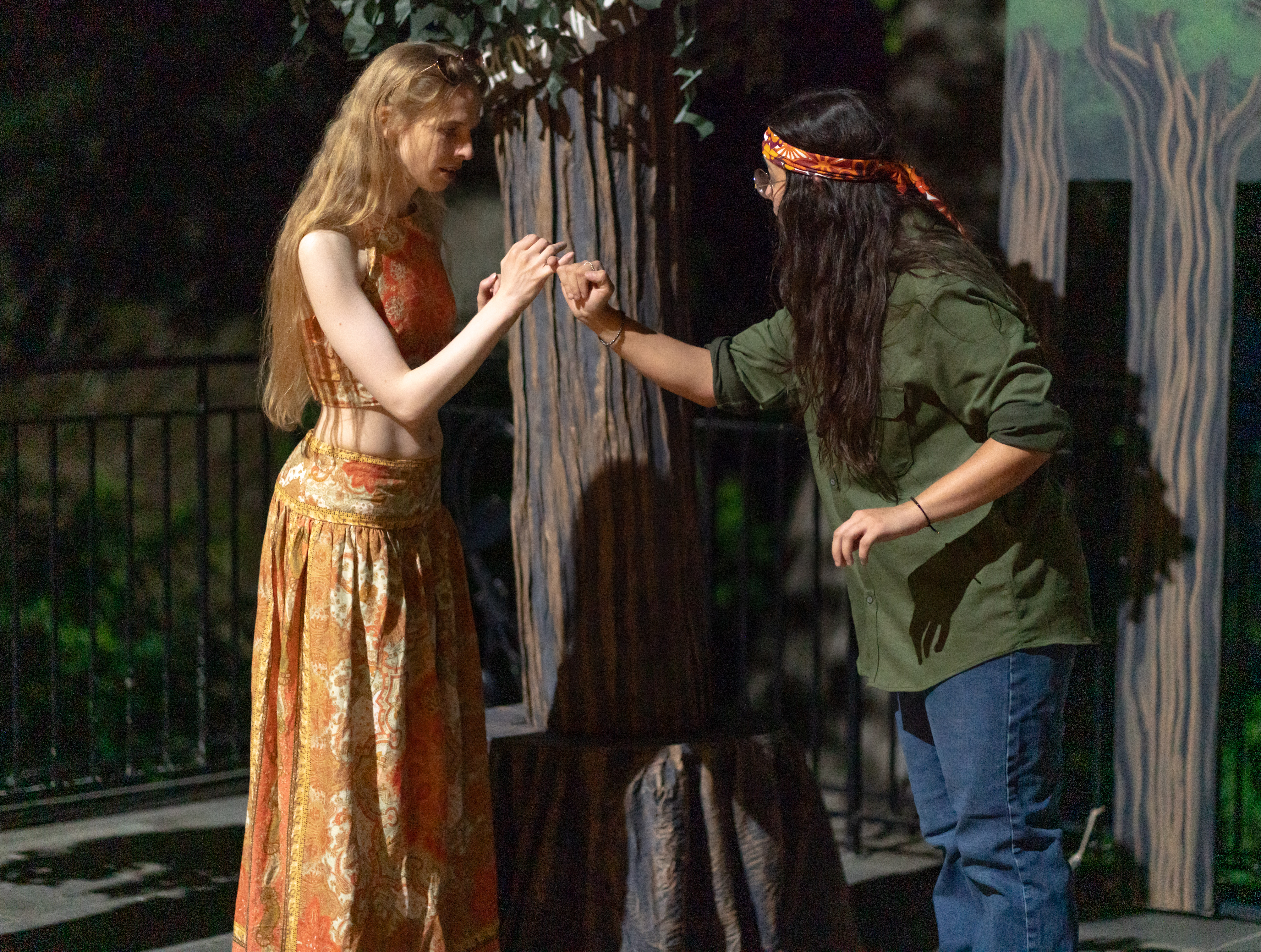
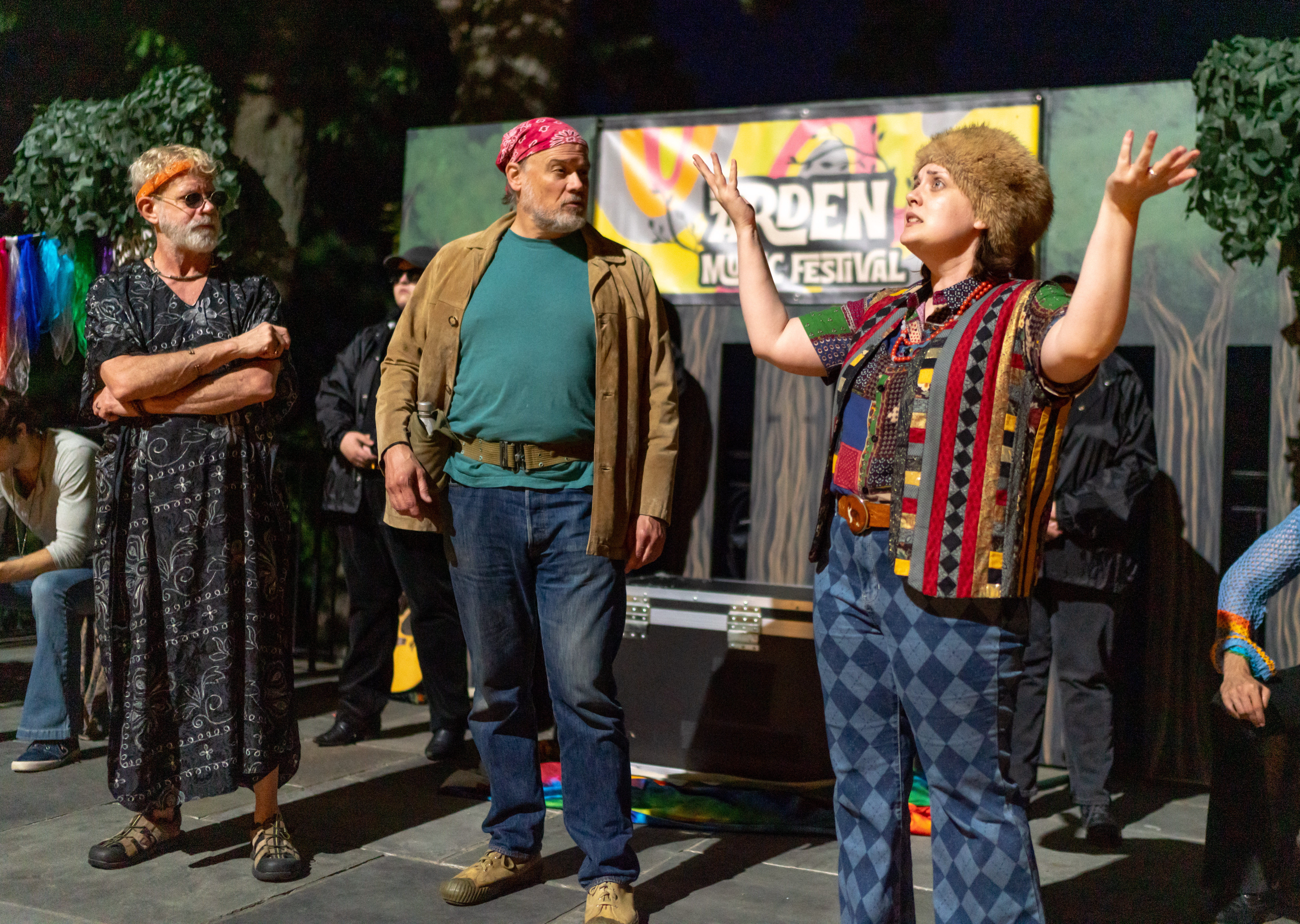
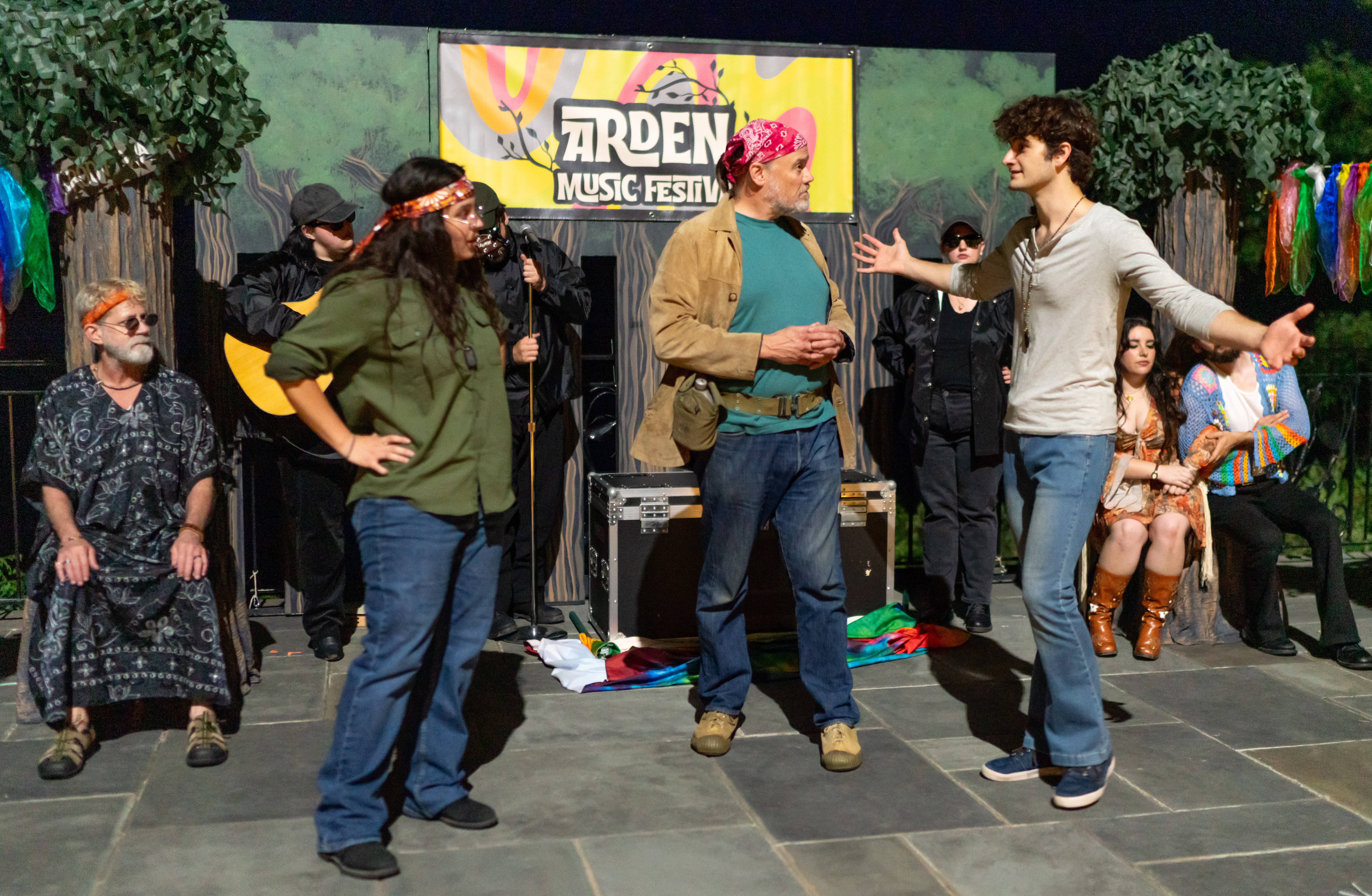
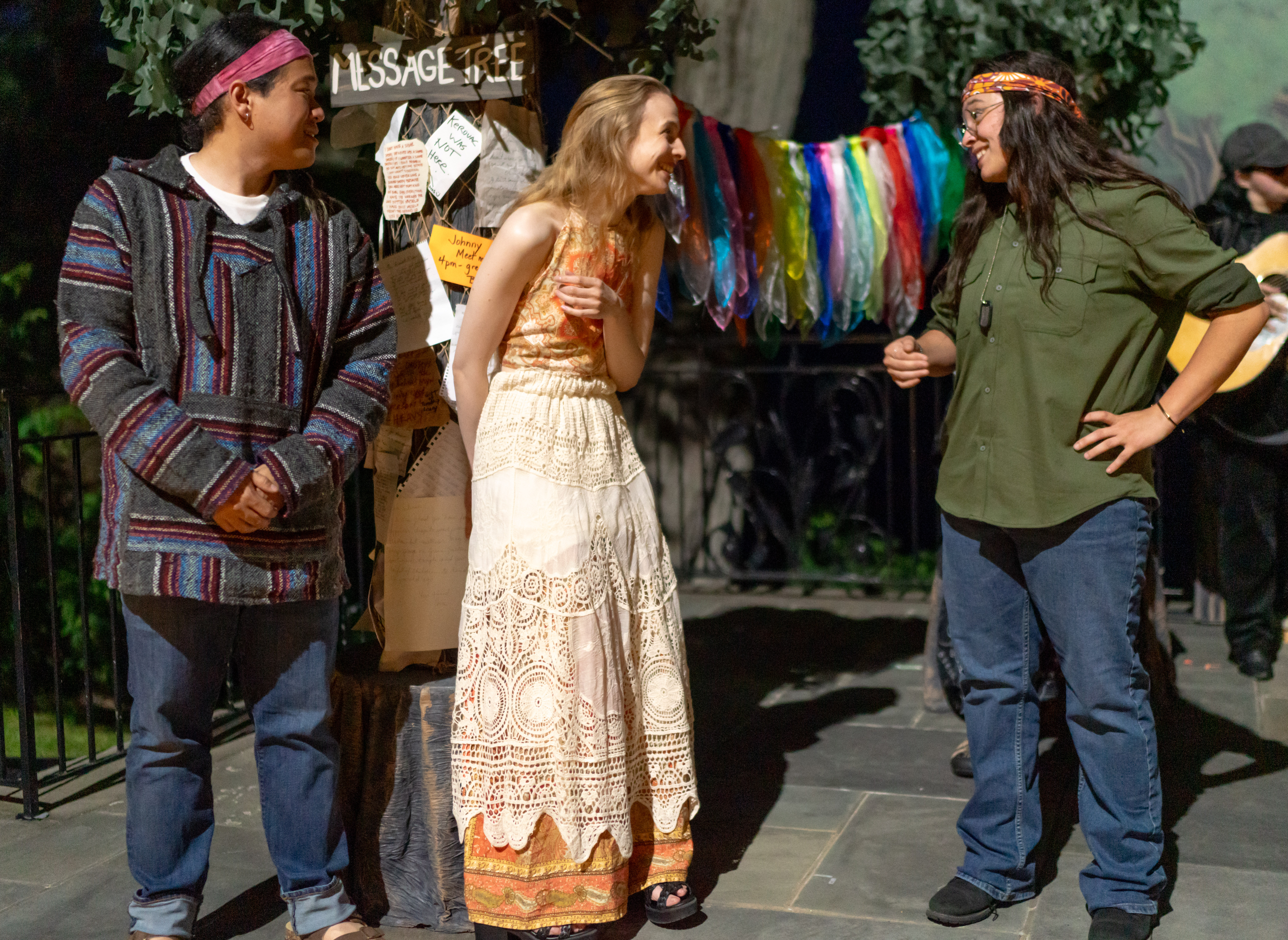
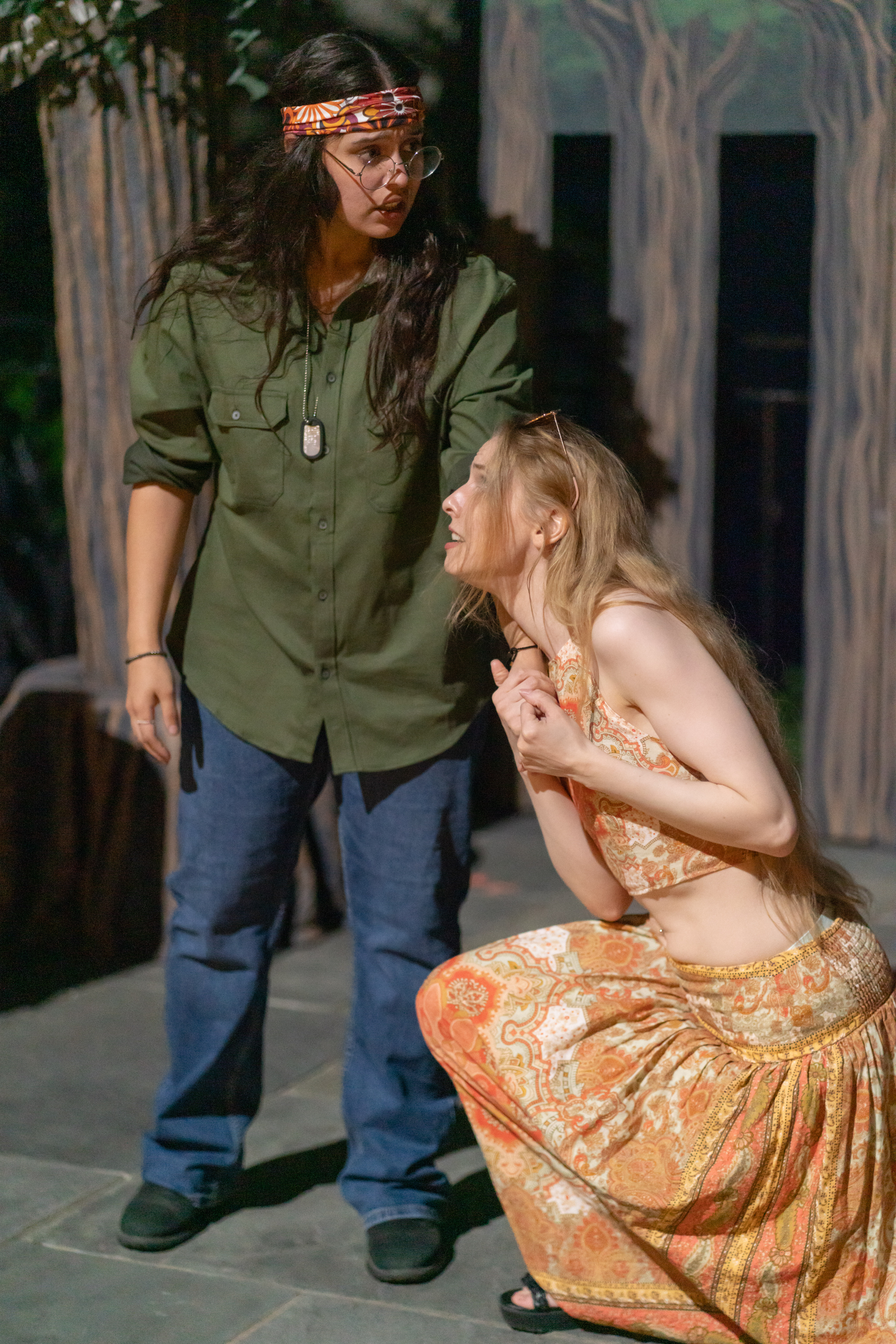
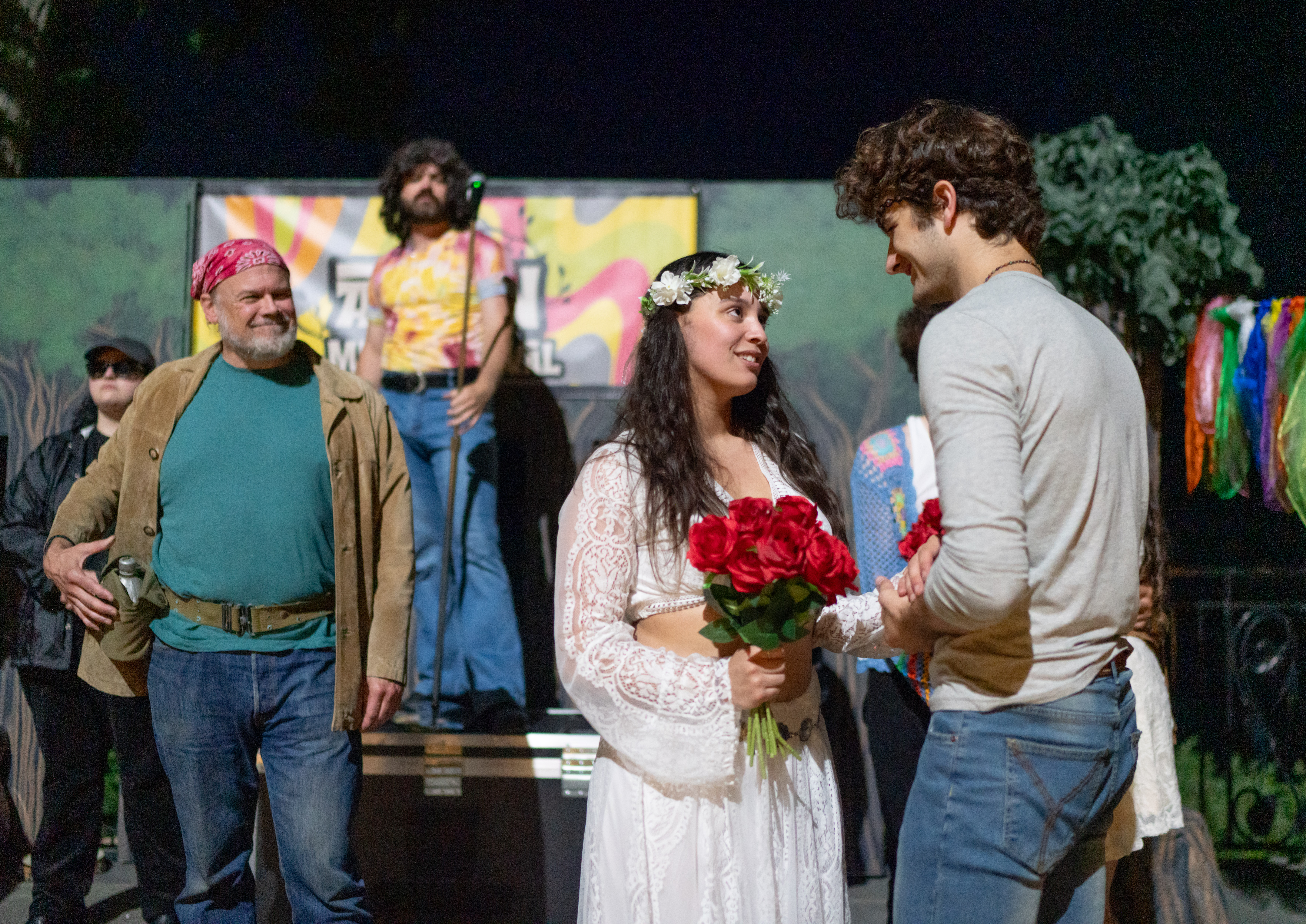
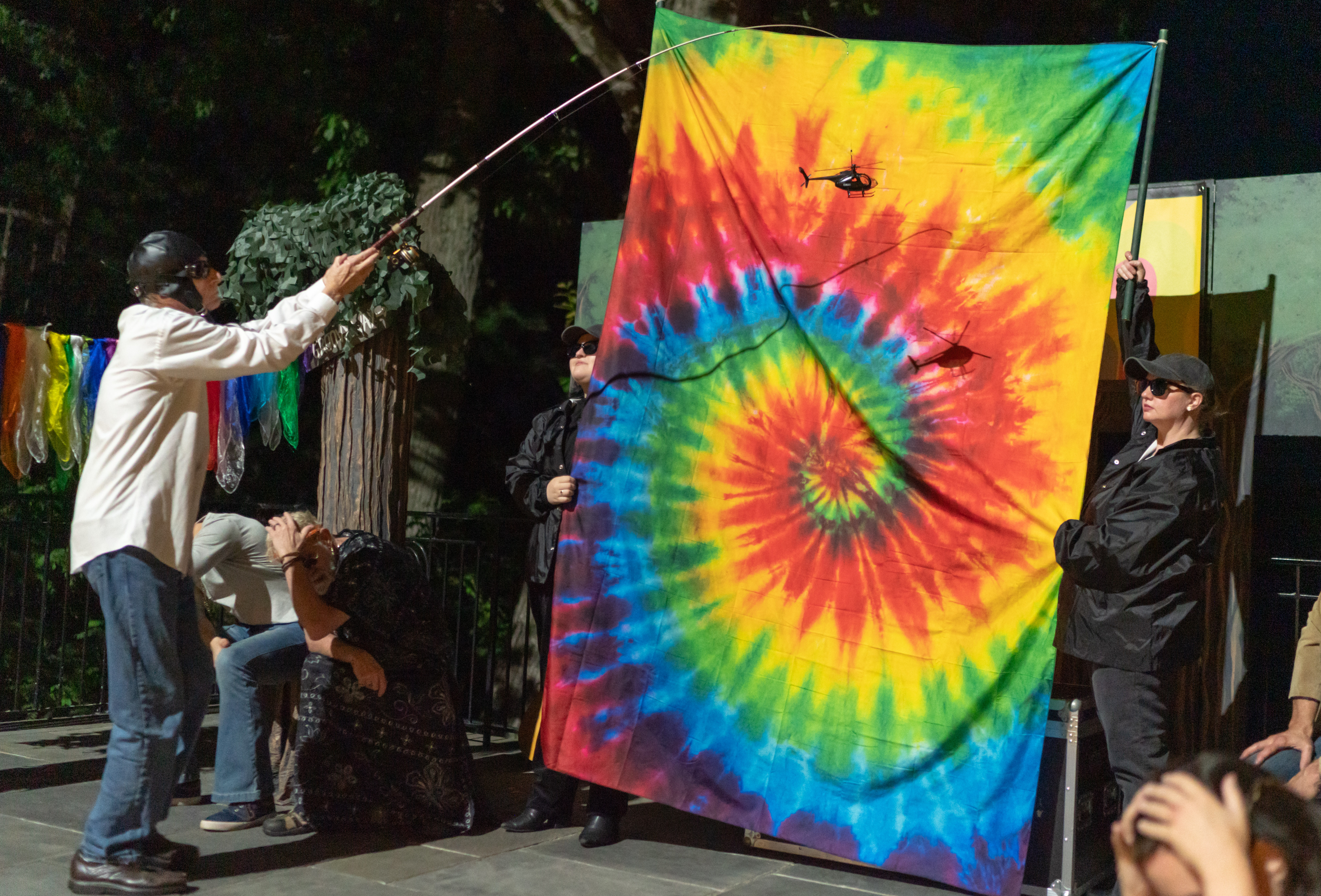
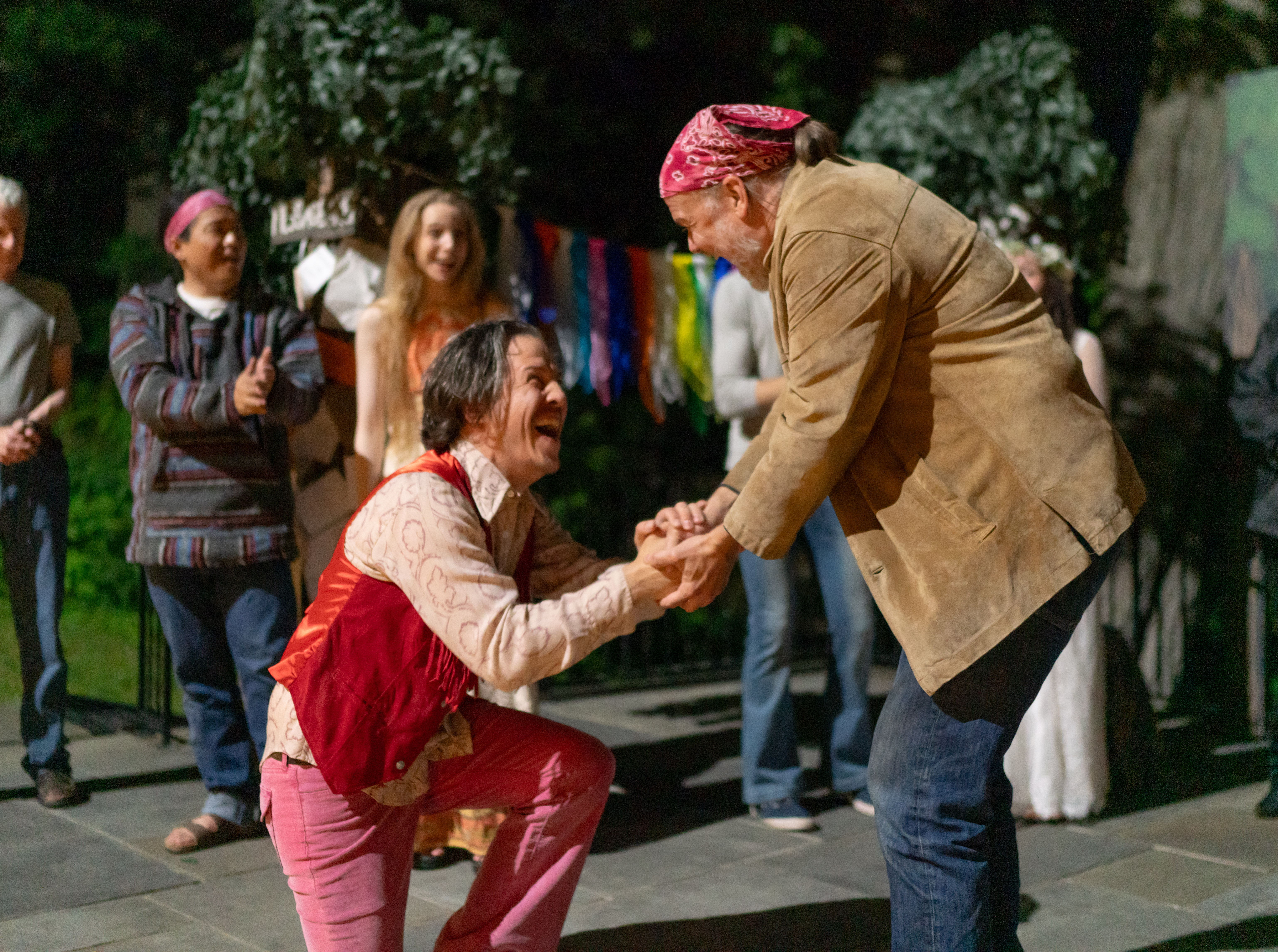
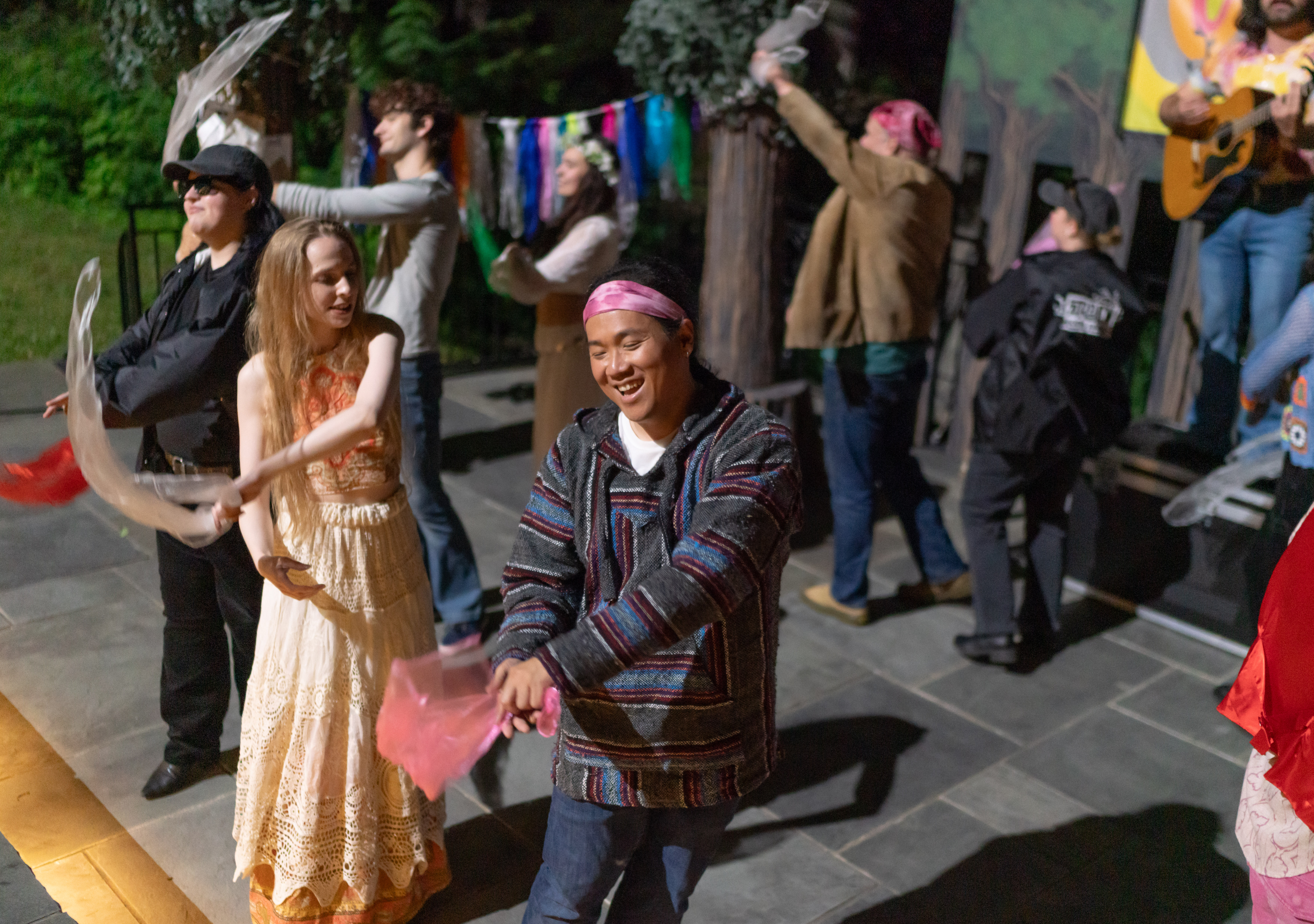
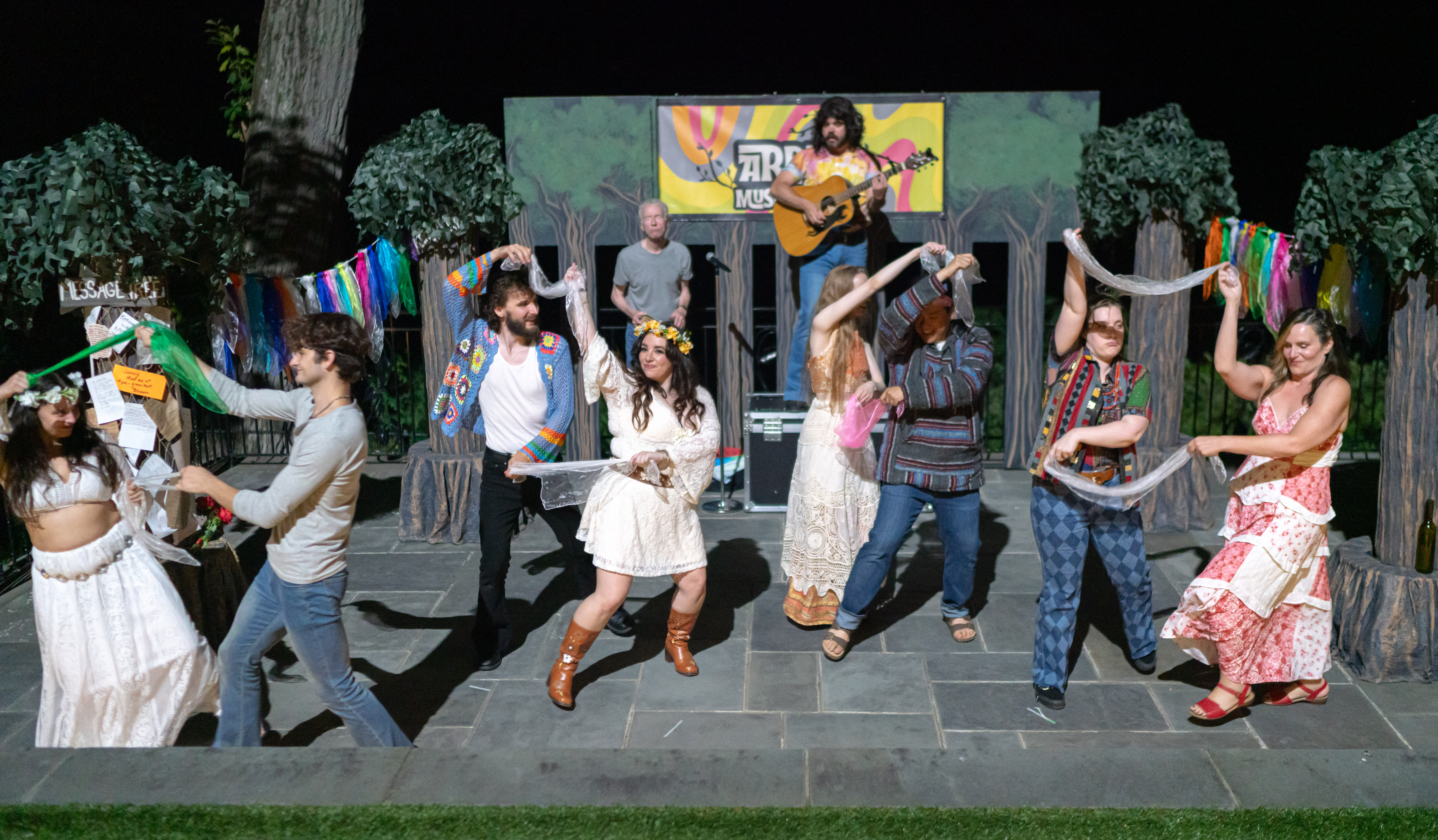
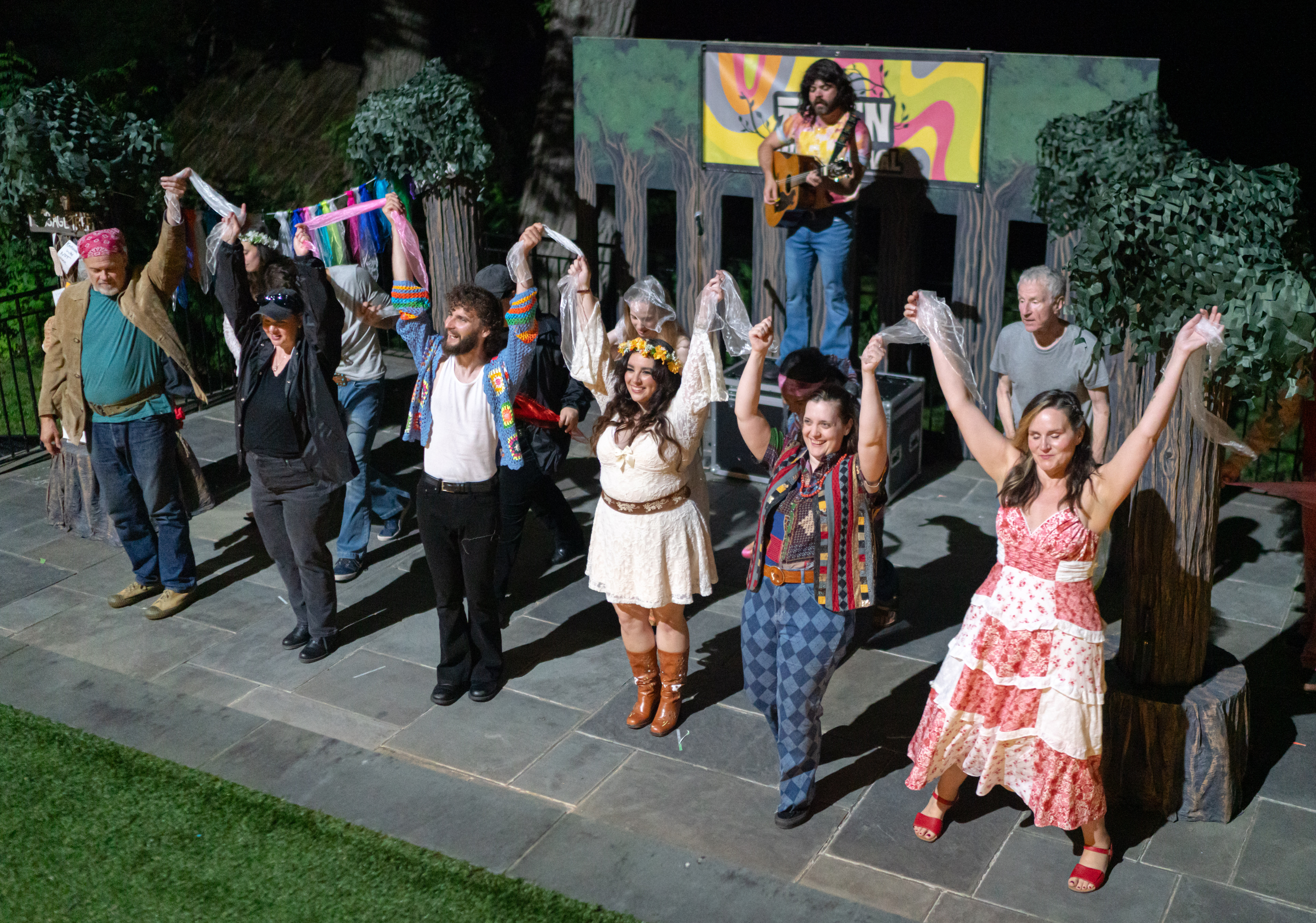
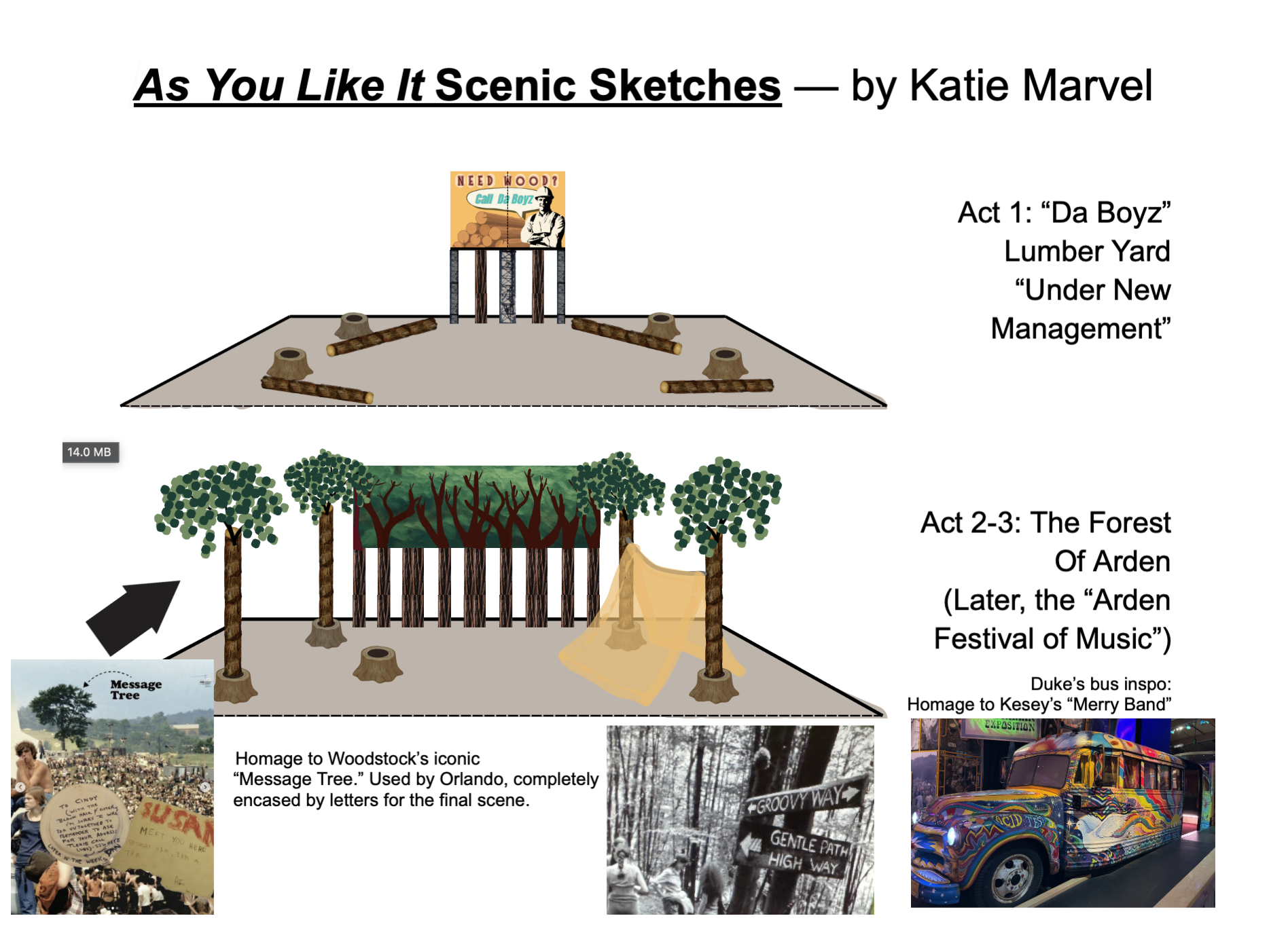
Director's Note (2026): Years ago, my Shakespeare professor said something about this play that never quite left me: “When you find yourself living through difficult times, that is the moment to revisit As You Like It. It’s likely to be just what you need.” That always stuck with me, and 10 years later, here we are. As You Like It is a curious play. Among critics, it’s long proved divisive. But audiences have generally loved it. It operates on a fundamentally different level from most other shakespearian comedies. Most of the time, in spite of the wittiness, wordplay, and mistaken identities, these comedies will have a rod of tension running throughout. Will the love spell be broken? Will they escape the clutches of their parents? Will they be honest with themselves? But this play takes a distinctly different approach…. Instead of driving tension, most of its conflict is front-loaded in just the first few scenes. Once we get into the Forest of Arden, life seems to flow at a different pace entirely. Rosalind, the extraordinary center of this knot of tangled relationships, can untangle it at any time, just by being honest. So why does she delay? That, indeed, is the question. Rosalind is the largest role Shakespeare ever wrote for a female character, and, I think, the most joyful. She is notable for not being defined by her pain, but by her wit, cleverness, and perseverance. The location in which she finds herself is just as singular. The Forest of Arden is a paradise where conversation is king. This play, more than just about any other, understands that character IS plot. And that conversation IS character. Arden is a place that allows ideas, perspectives, and anxieties to be cross pollinated, so that almost everyone emerges from the play a changed person. It’s elegant, hilarious, breezy, sneakily camouflaging its jagged satirical edges. Arden is a realm that sees Shakespeare experimenting with elements of the fantastic in what can otherwise be described as realism. Once we get out of the oppressive workaday world of the kingdom, time seems to stop. As Orlando says: “there are no clocks in the forest.” And yet, their absence seems to have a strange effect…. everyone in the forest is obsessed about what time it is. Our setting for this production, the late 1960’s, was a tumultuous political era, when a culture of paranoia, violence, and xenophobia seemed to infect every element of society, largely from the top down. All this gave rise to a counterculture with a clear focus: harmony was possible without “the man.” In fact, it was only possible when grown from the grassroots up. The first Woodstock was organized in just such a decentralized way… and in spite of the era, in spite of the nearly half a million attendees, there was not a single reported case of violence. The decade saw a societal push for environmental stewardship and sustainability, just as some of the characters in this play call humankind the “usurpers” of the forest, having taken it away from the rightful owners... the animals. It was the era of the Women’s Liberation movement; embodied by the fiercely intelligent and witty Rosalind, who defines herself and her relationships on her own terms. It’s full of music (more so than any other Shakespeare play) that has a focus on non-violence, gratitude, and not turning a blind eye to the plight of the stranger. The original Woodstock was even watched over by a stately maple, which came to be known as the “Message Tree,” on which attendees in search of connection or lost friends could attach handwritten messages. All this, thematically, is a natural fit for this pastoral shakespearian adventure of peace, love, and music. I’ve increasingly come to think my professor was right. This play is indeed a balm for a troubled, fractured, paranoid world. I hope that we can, at the very least, show people how simple a choice peace really is, while showcasing the boundless potential for transformation in all of us.