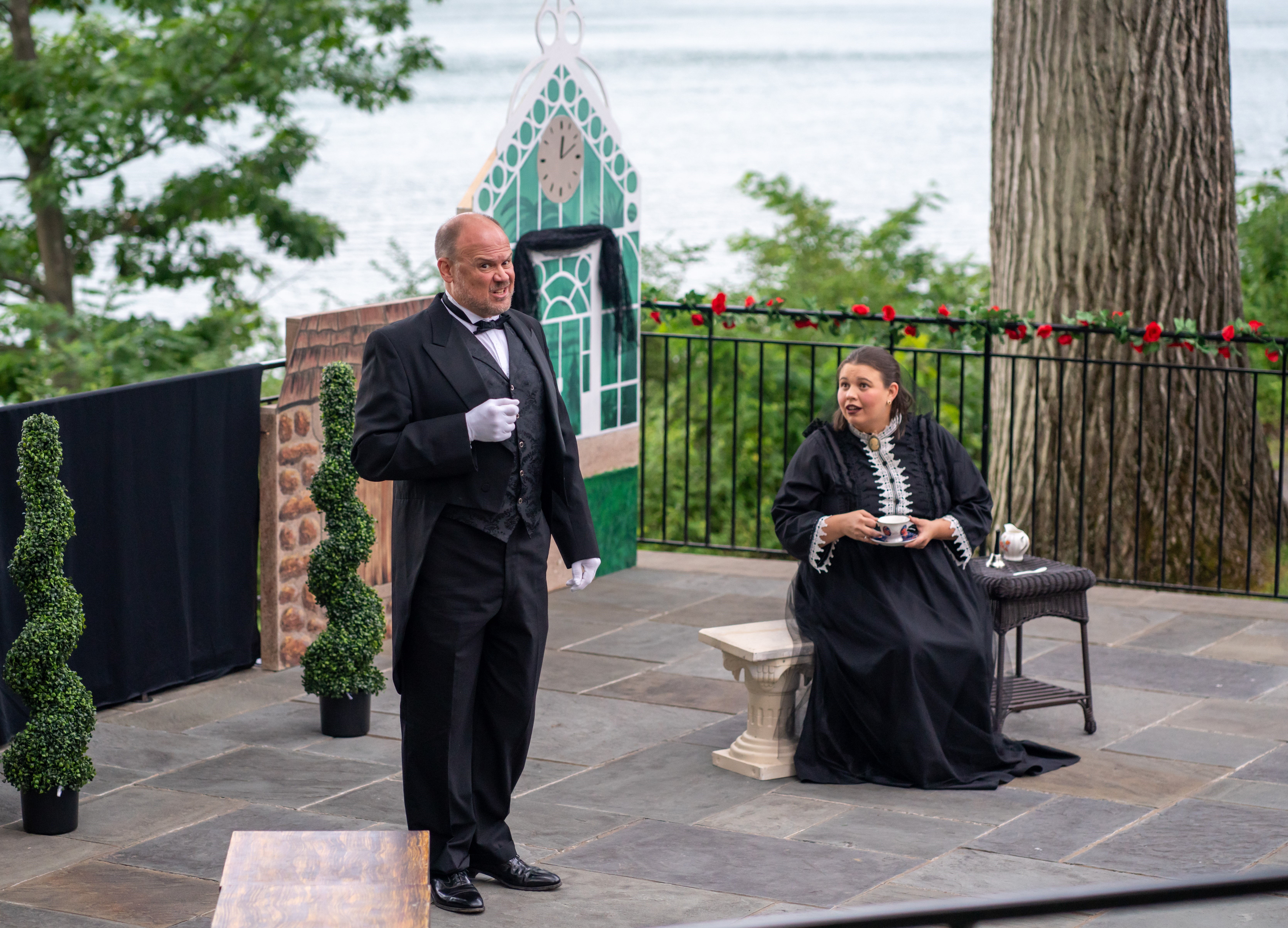
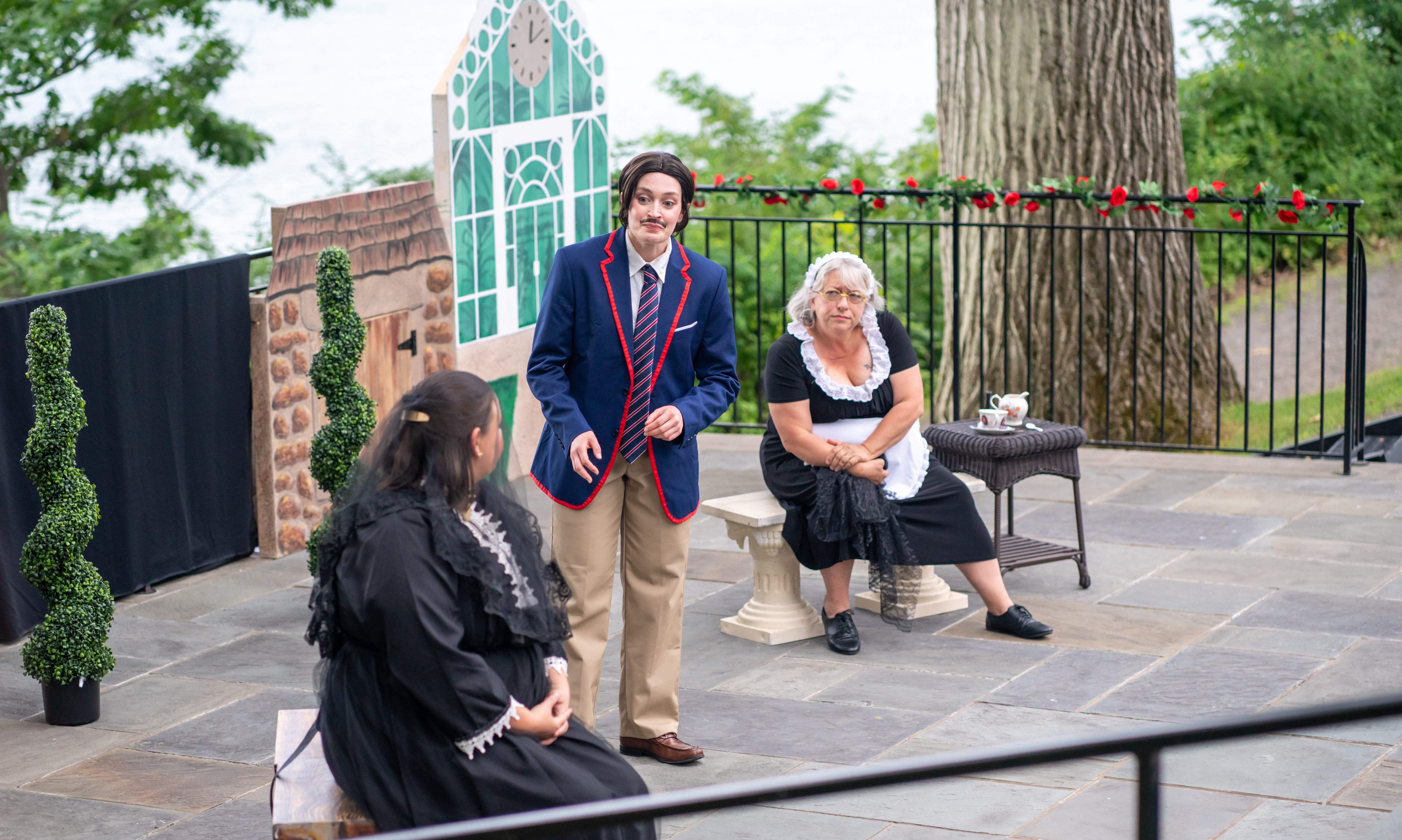
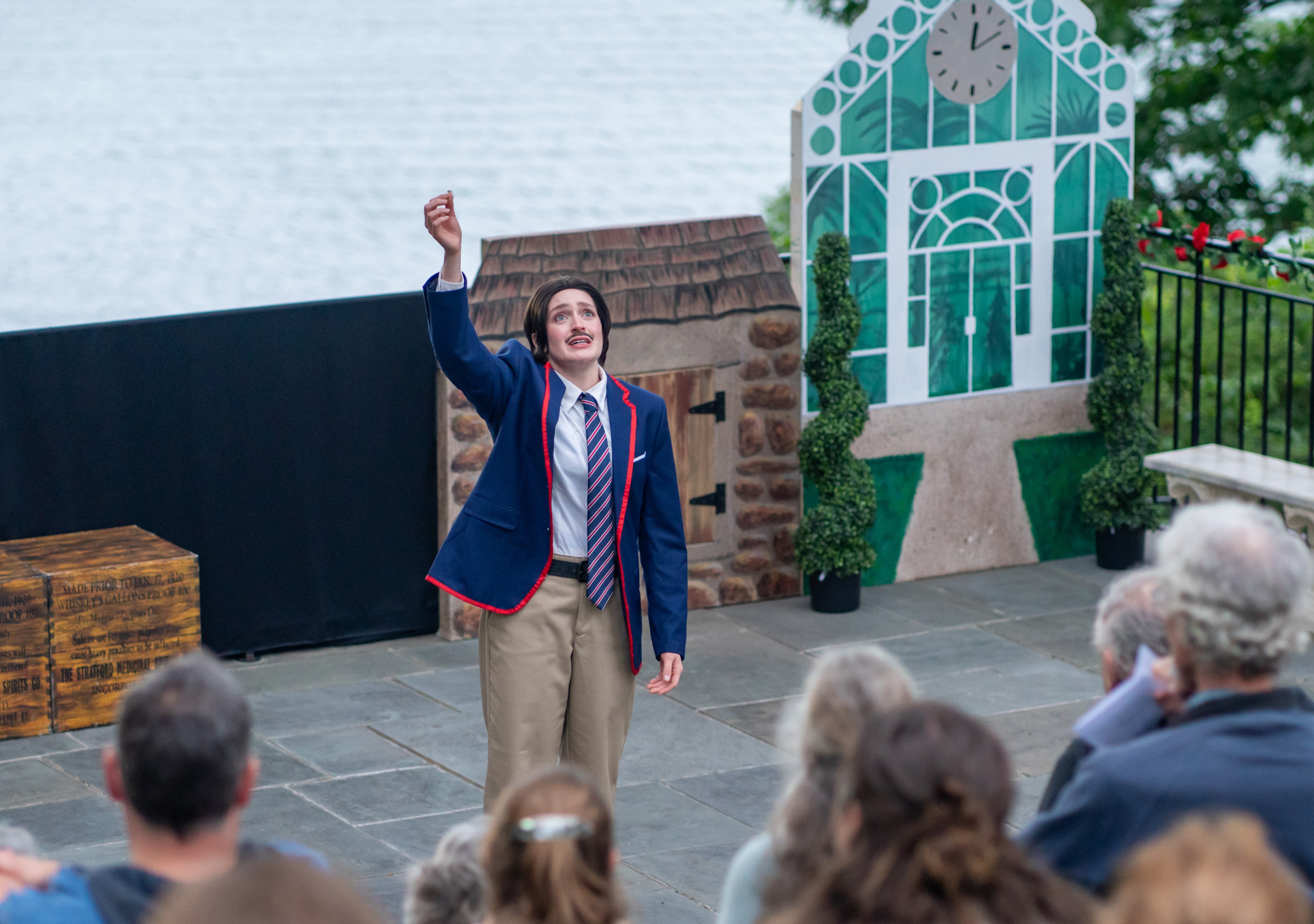
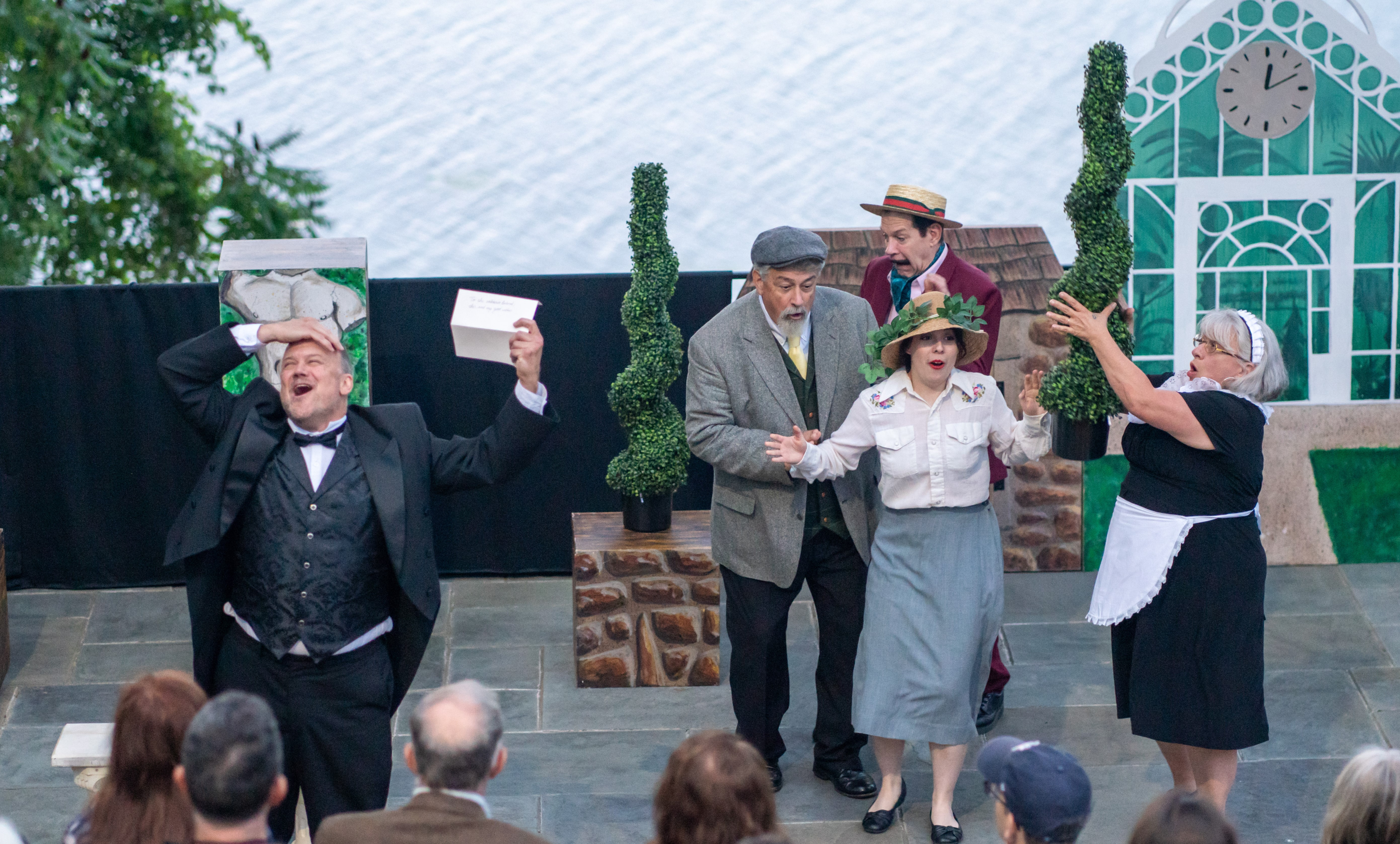
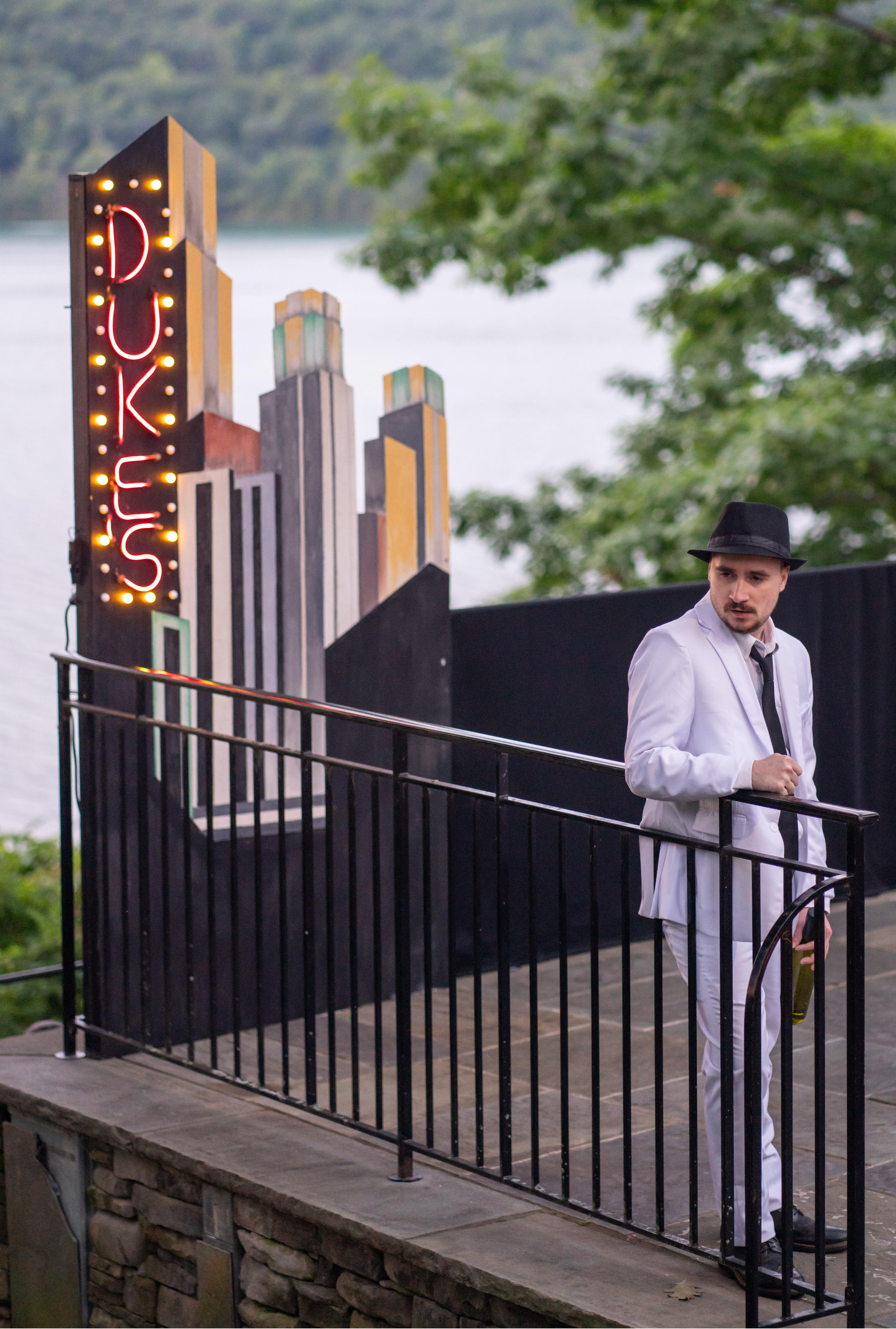
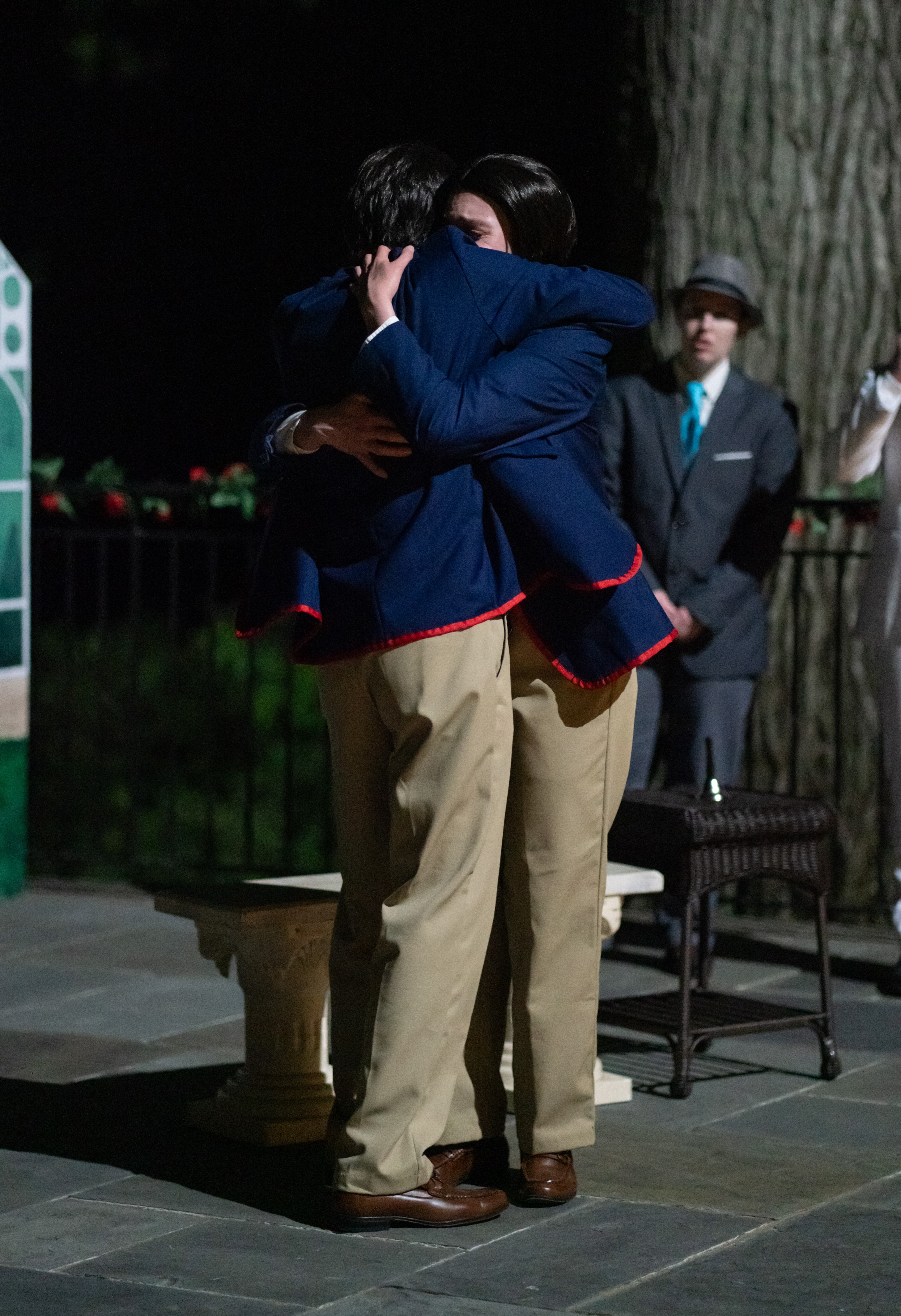
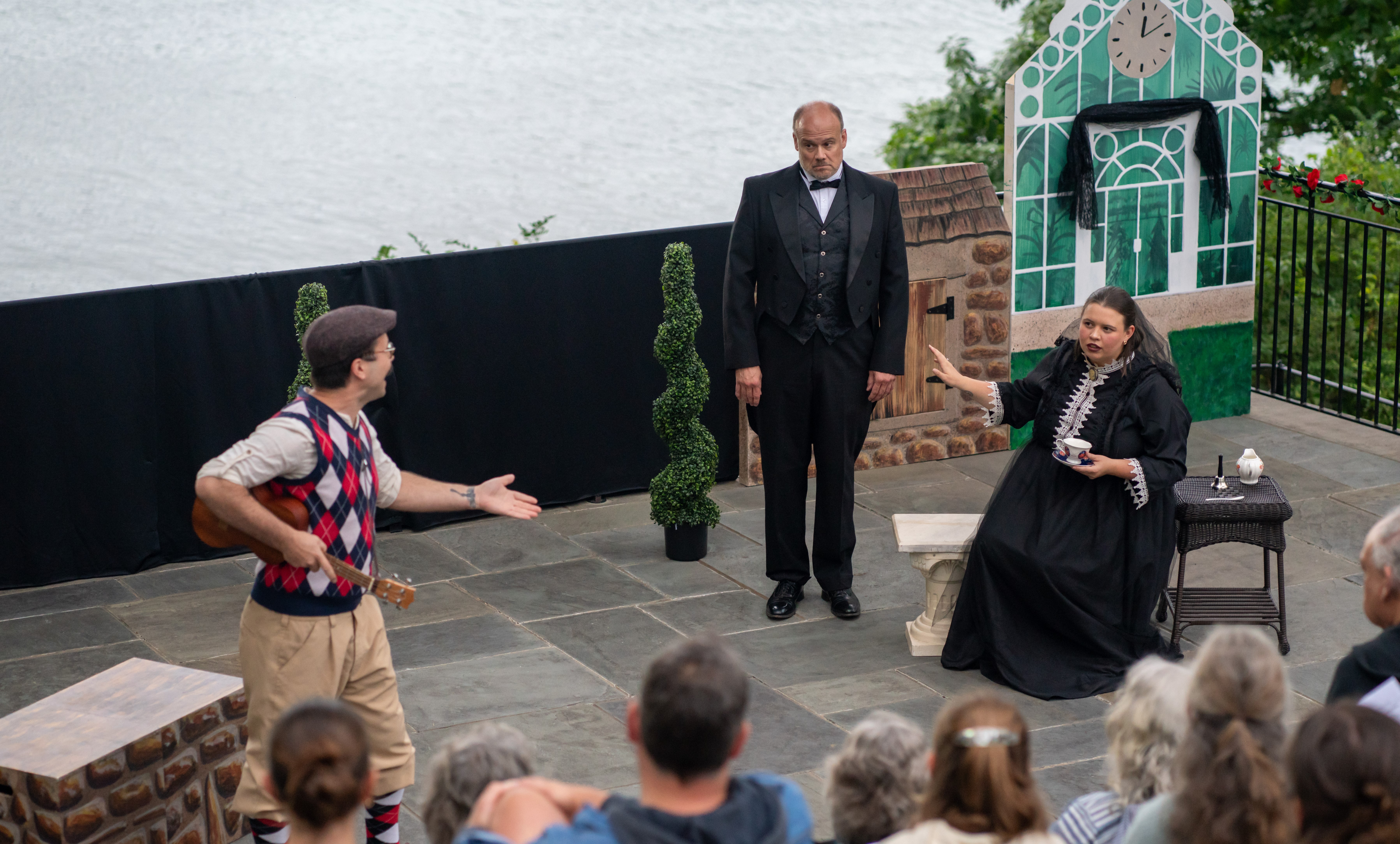
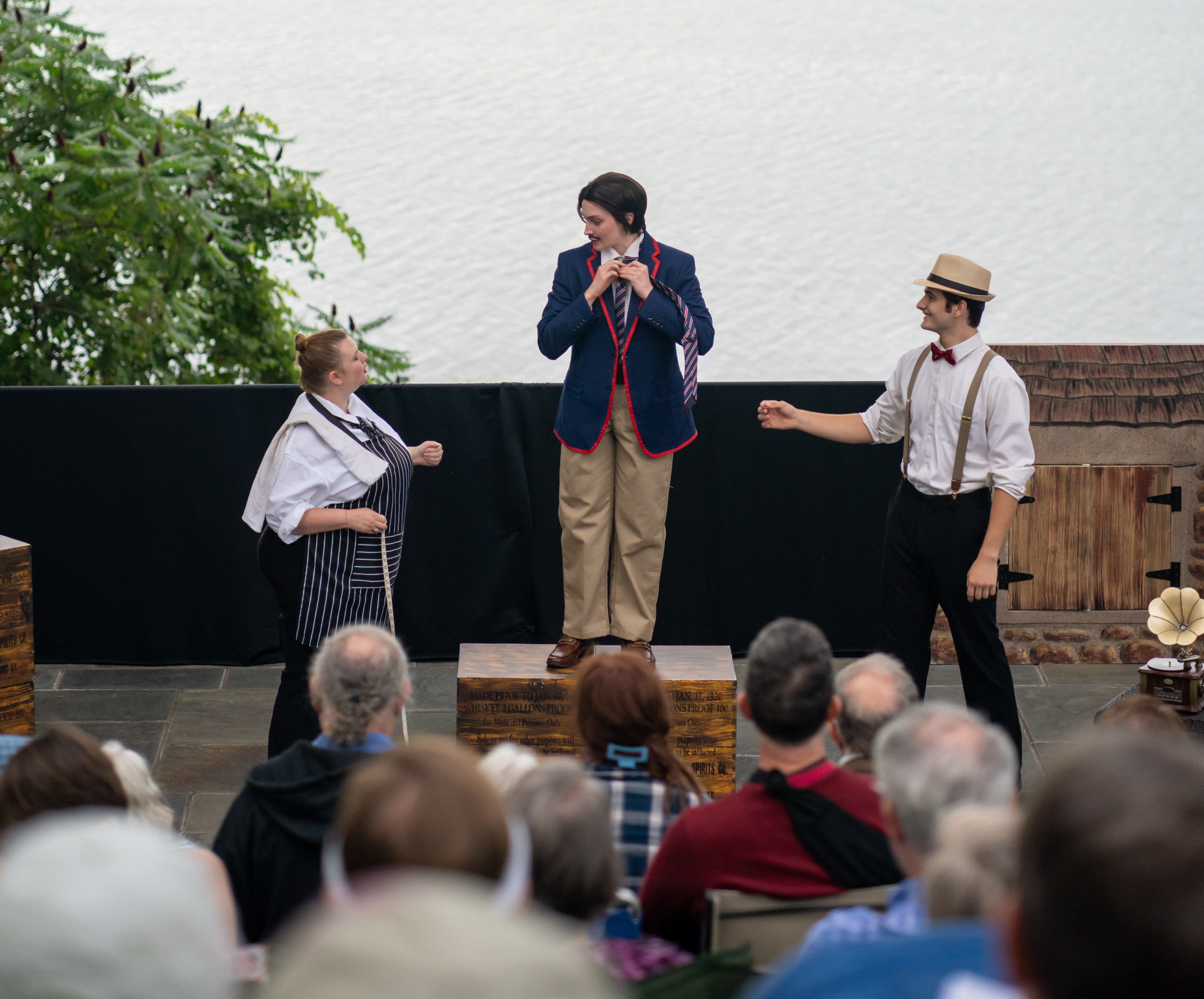
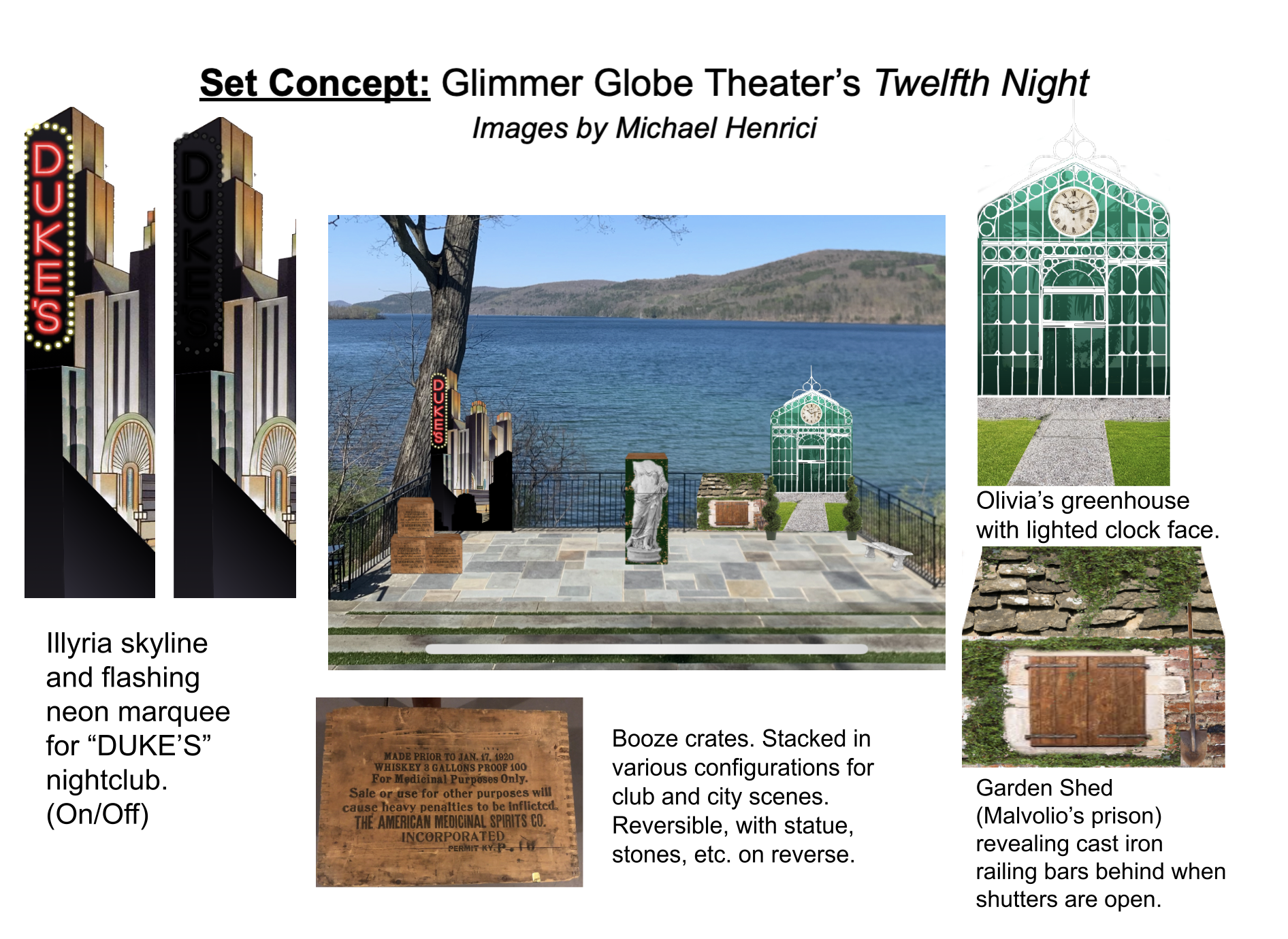
Twelfth Night
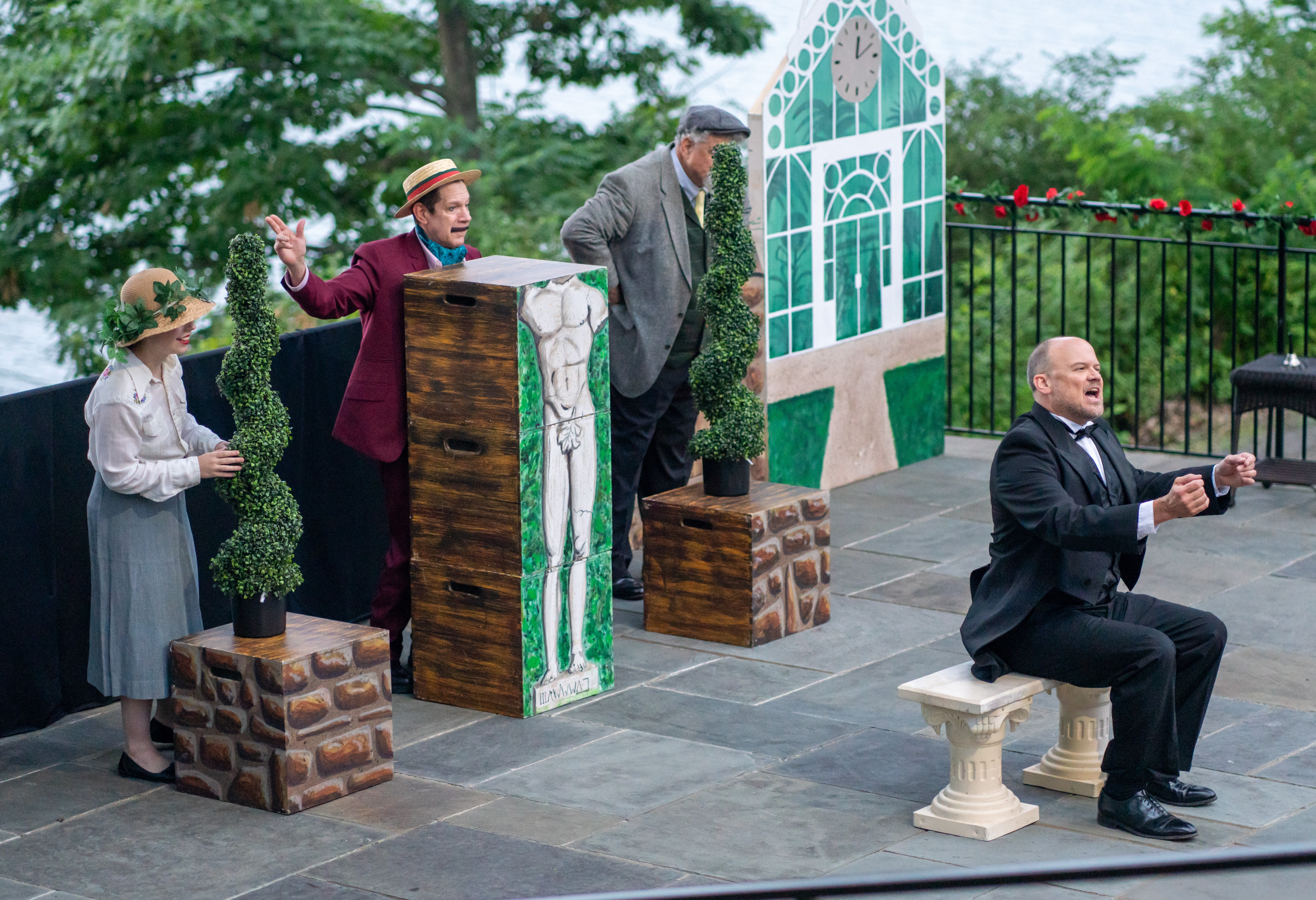
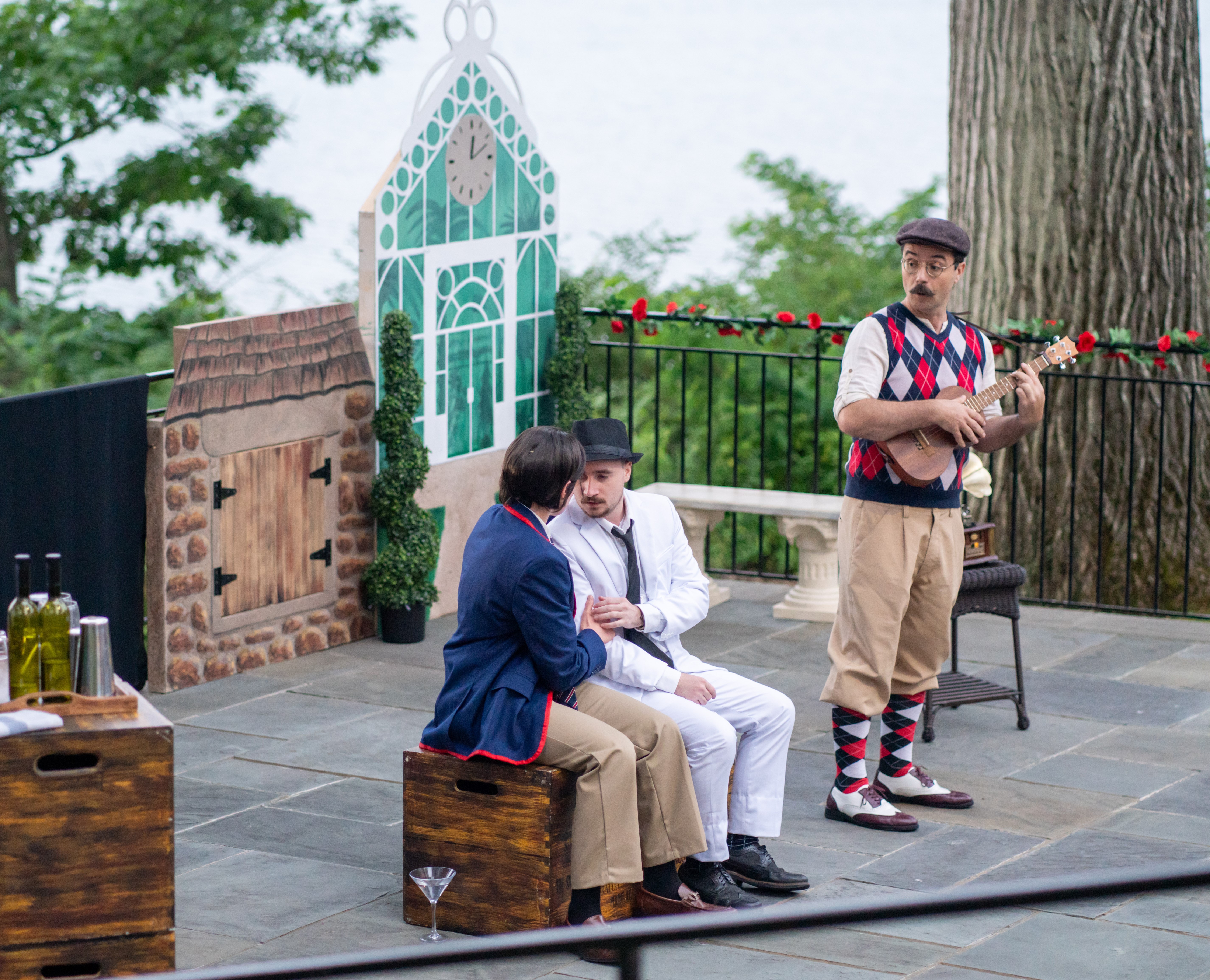
Photos by Kevin Gray
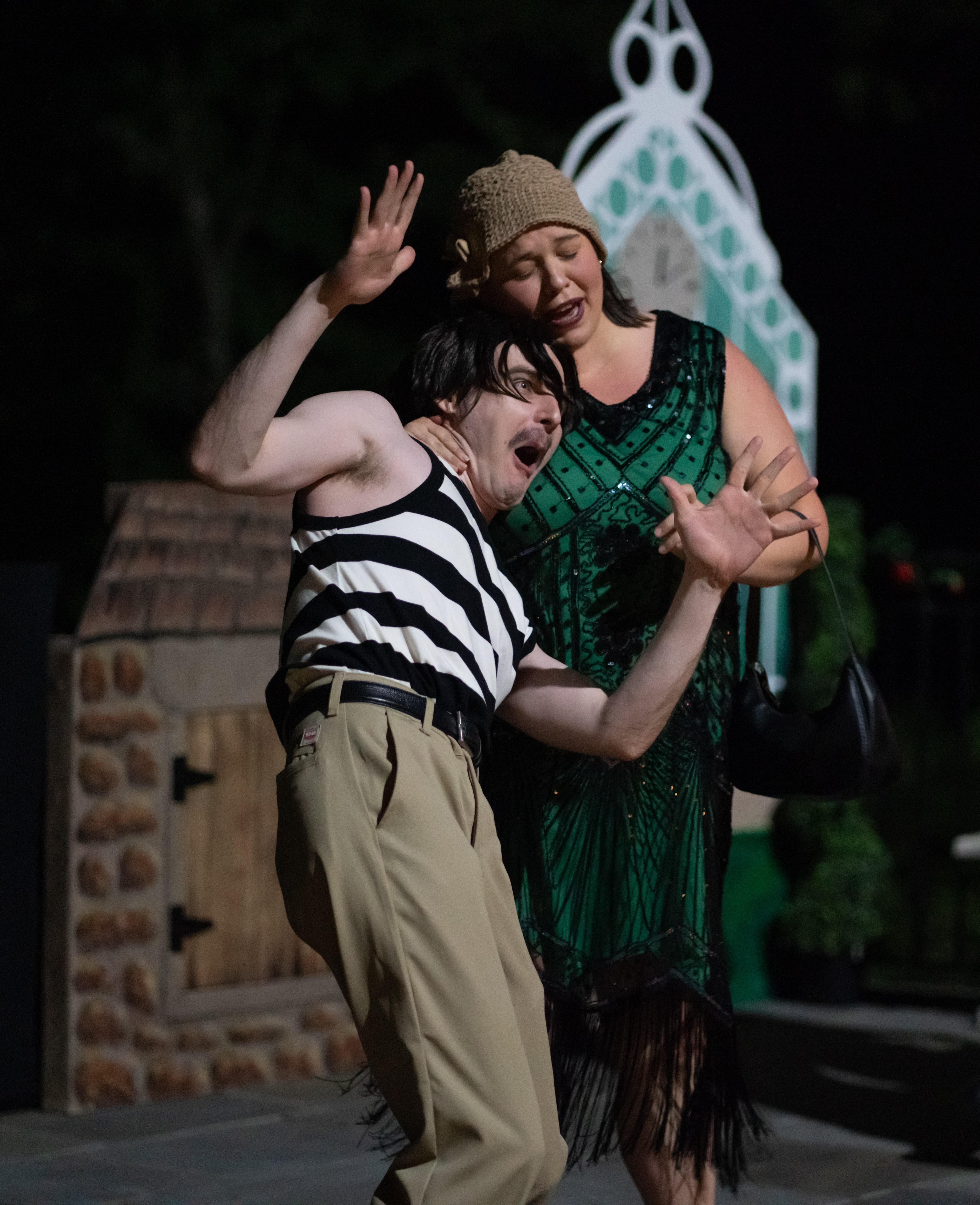
July - August 2023 — Glimmer Globe Theatre
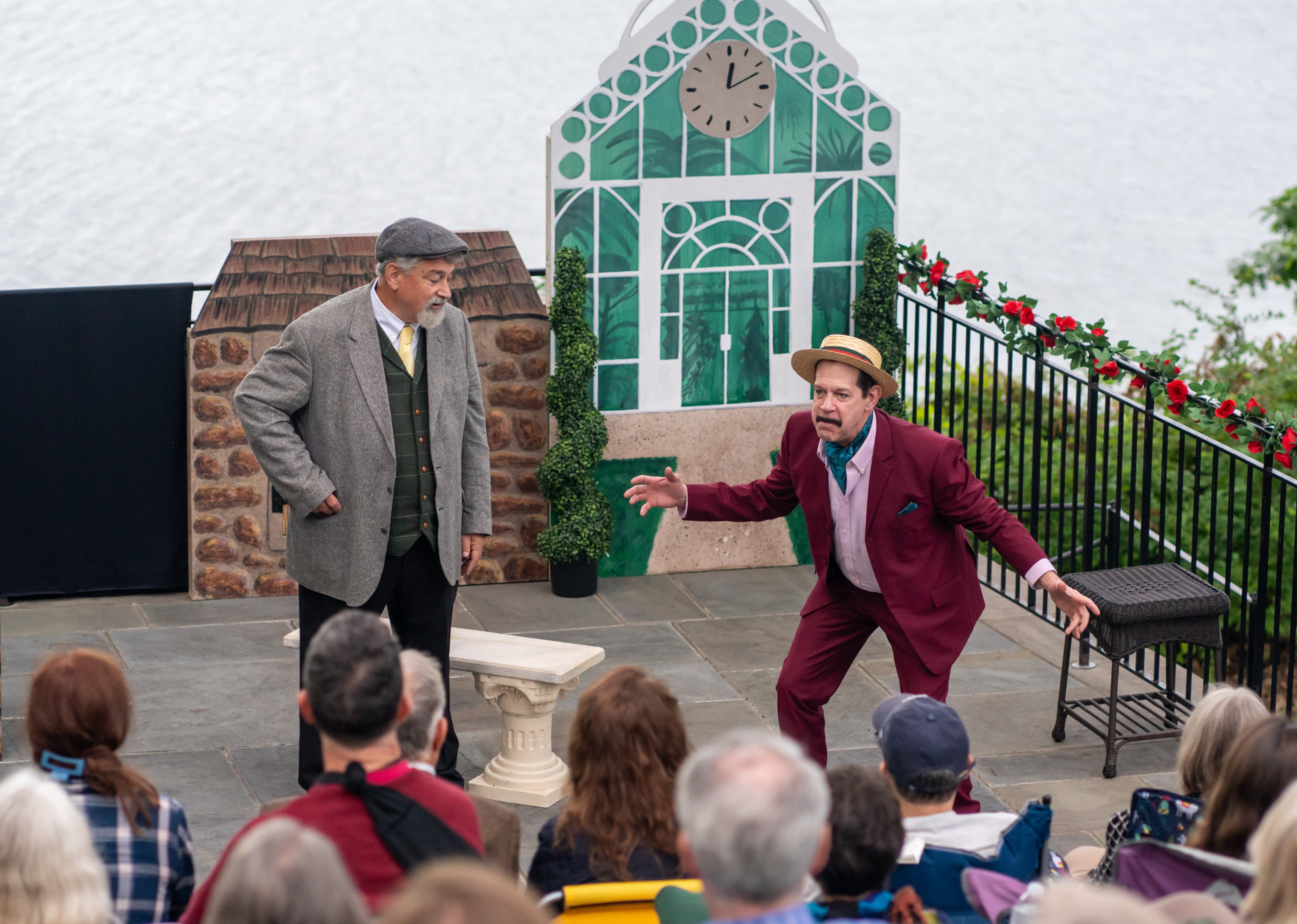
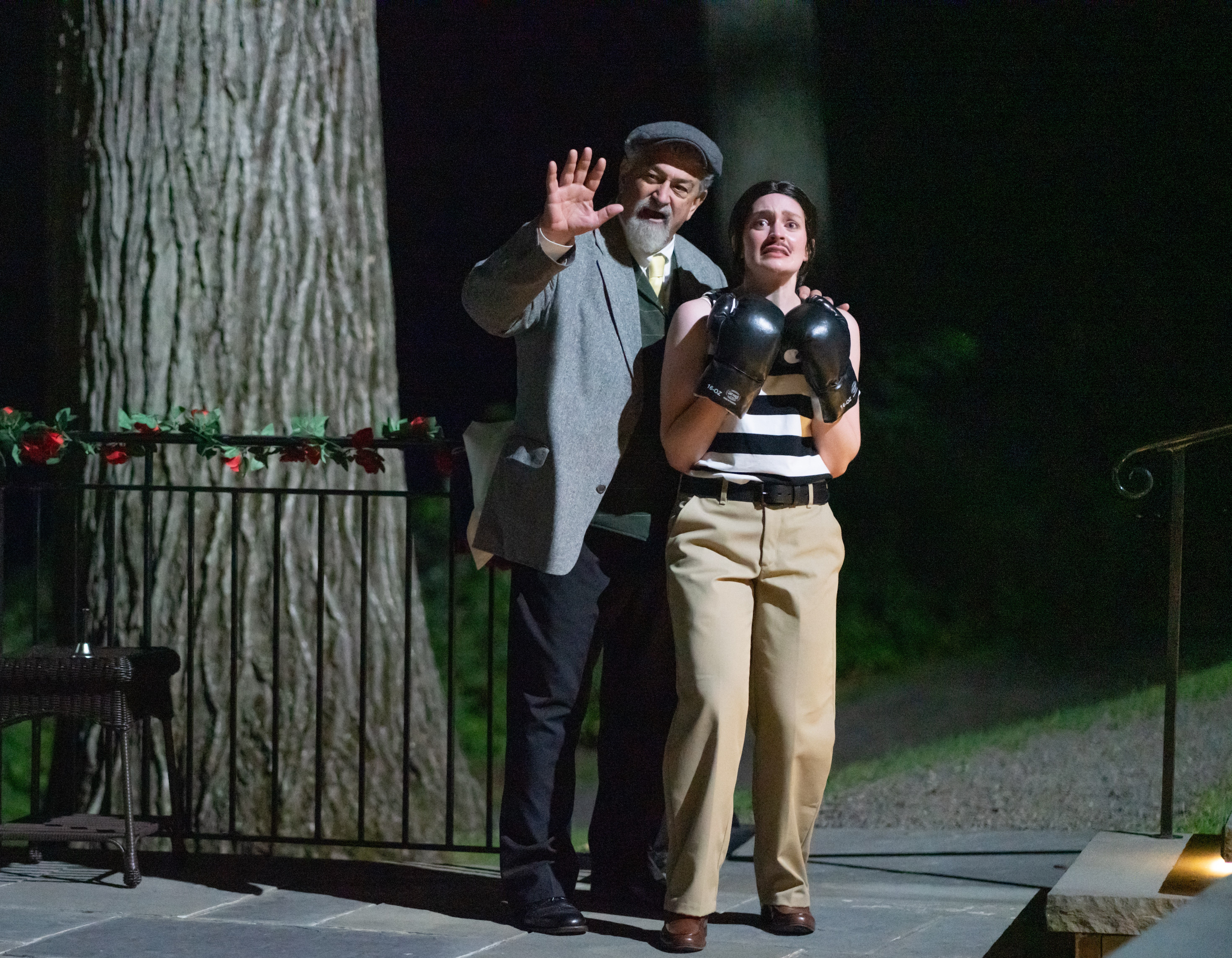
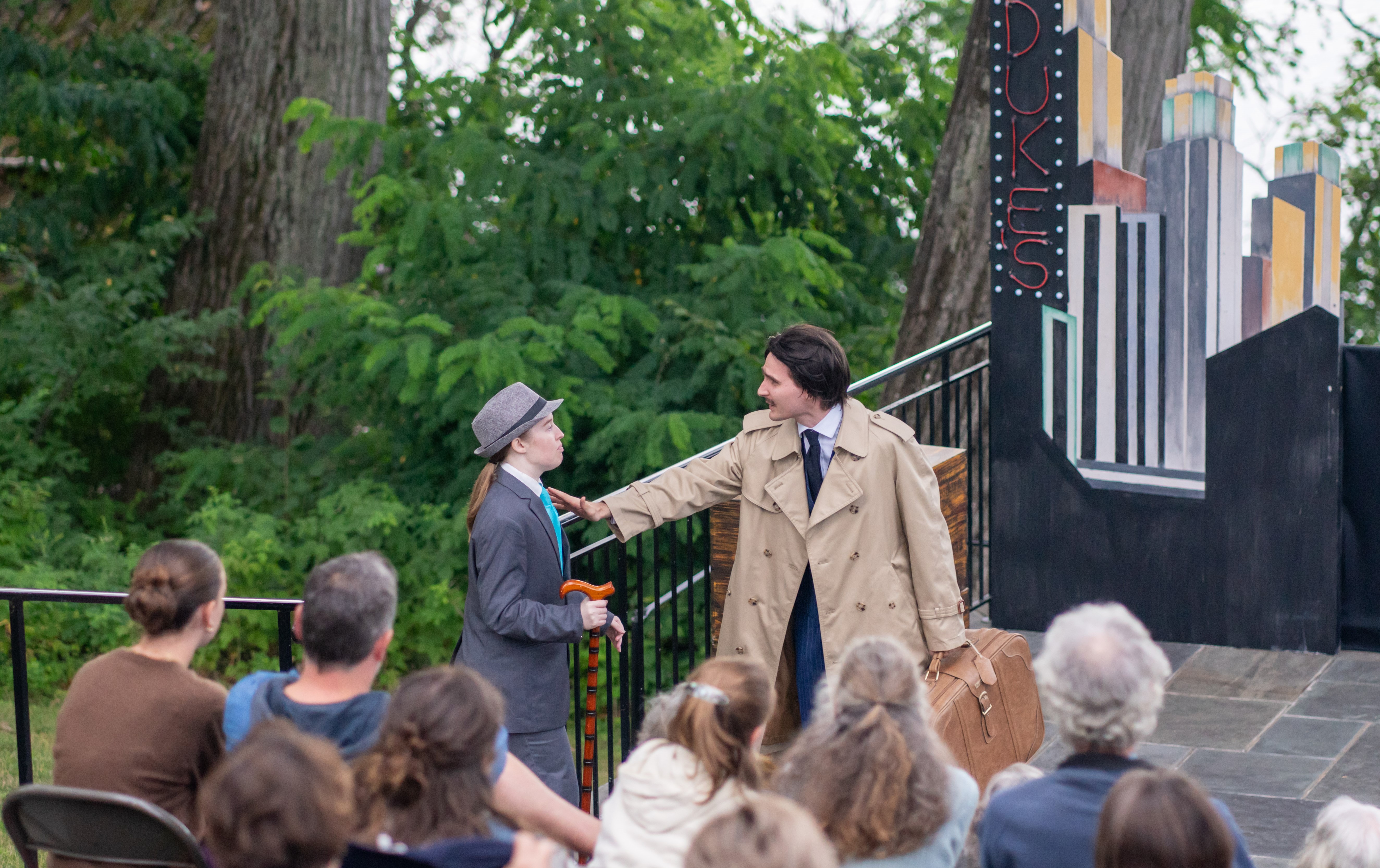
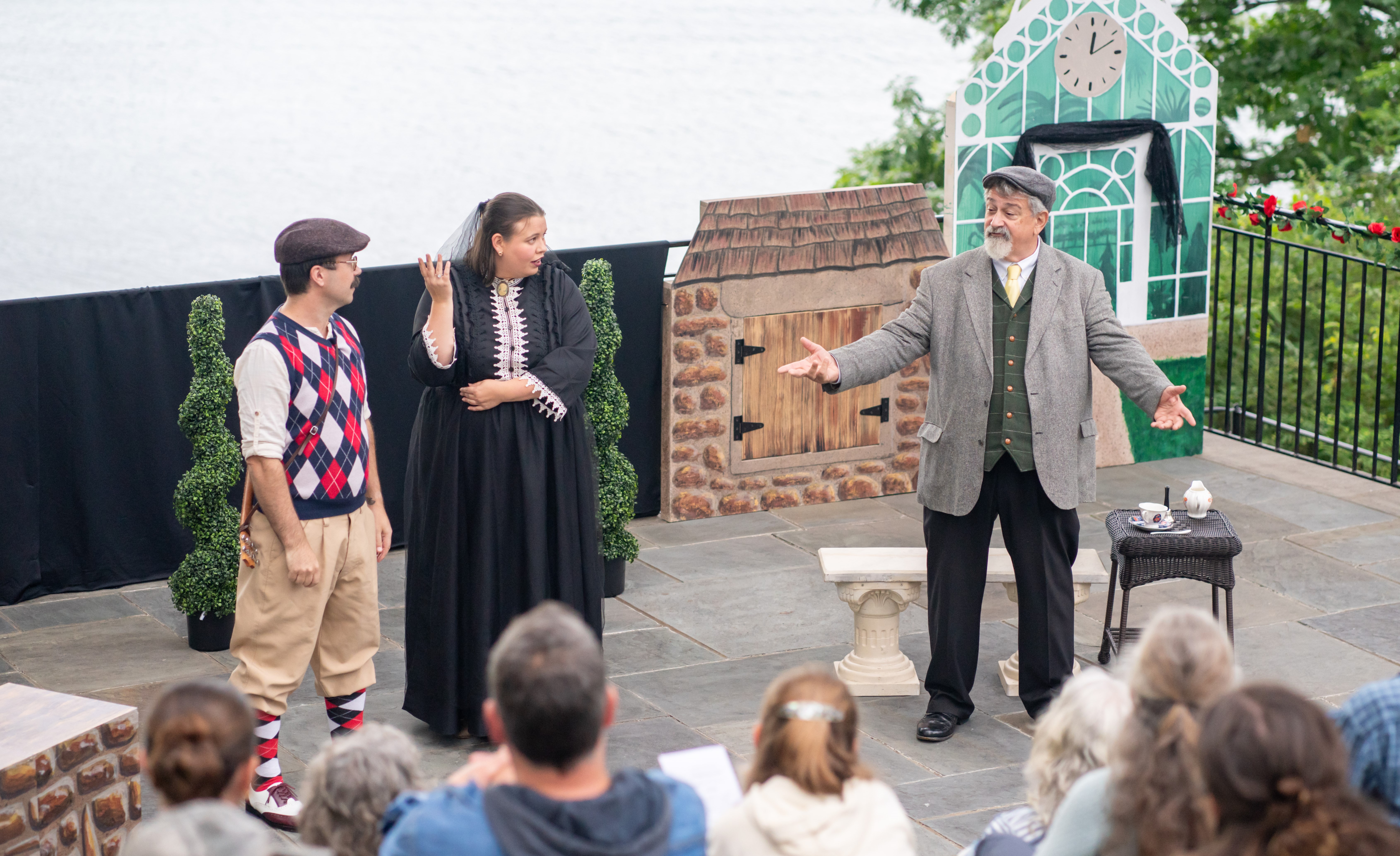
Director's Note (2024): The 1920s was a decade of turbulent societal change in America. On one hand, it was a period of economic prosperity and social liberation. New philosophies of art from surrealism to jazz were sweeping the world and giving people a new language to express their inner lives. The world was shrinking, as even middle-class people were suddenly able to afford a ticket to cross the ocean and start a new life. But on the other hand, a resistance was brewing. As these changes compounded at an unprecedented pace, a resistance began to foment, led by those who feared the relentless wheels of modern times were steering us toward disaster. An armed struggle was taking place for the future... between the hedonistic libertines, and the arbiters of "tradition." That’s quite a similar fault line to the original one which cuts through the heart of Twelfth Night. Such a schism would have been very much on Shakespeare’s mind, as the Puritans (avowed enemies of the theatre) deepened their political influence in Elizabethan London, claiming that such frivolity was corrupting the soul of society itself. Twelfth Night is firstly a wild, raucous, physical comedy. But it’s also a cutting and transgressive social satire that still manages to rile people’s tail-feathers. And it does all this while remaining an unapologetic, passionate romance. It truly contains multitudes. On the subject of romance, it’s worth touching on Shakespeare’s great insight here: falling in love is simultaneously the most profound and beautiful thing a person can experience, and the most senseless thing one can ever do. This idea itself wasn’t necessarily new in Shakespeare’s time, but his unique ability to depict both states at once is what made him special. It’s present, to one degree or another, in almost all the comedies. Perhaps this works because the best way to make sense of something as senseless as love is through something that thrives on senselessness: comedy. It’s a useful tool! But for all the revelry present here, Shakespeare holds our feet to the fire and refuses to let us forget that comedy has a crucial, darker side. The endings (or non-endings) of several characters in this show remind us that comedy is not just a tool... but a weapon. That it can only exist alongside pain. Something as frivolous as a joke, no matter how light, is always at the expense of someone or something. There needs to be a butt of the joke. Sometimes the pain it causes is just a pinch... hardly even registered. Sometimes, the pinch may even be pleasurable. But sometimes it hits like a knife in the back. It would be all too easy for us to forget about Malvolio after act four. To look at him in prison and assume he deserved what he got. But Shakespeare has him come back at the eleventh hour, demanding atonement, forcing us to examine our own complicity in his downfall. He makes us feel guilty for laughing at his pain. Without the darkness, Twelfth Night is a lovely, dynamic, exciting comedy where just about everyone irons out the individual wrinkles of their lives by way of marriage. A lovely evening out. But with the inclusion of Malvolio, you are reminded that these are not characters… they are actual people. Flawed, complicated, real people who are also learning deep and uncomfortable truths about themselves in spite of their individual circumstances. It’s silly. It’s raucous. It’s sexy. It’s outrageous. It’s romantic. But it’s also real. That element of darkness is what makes it believable.